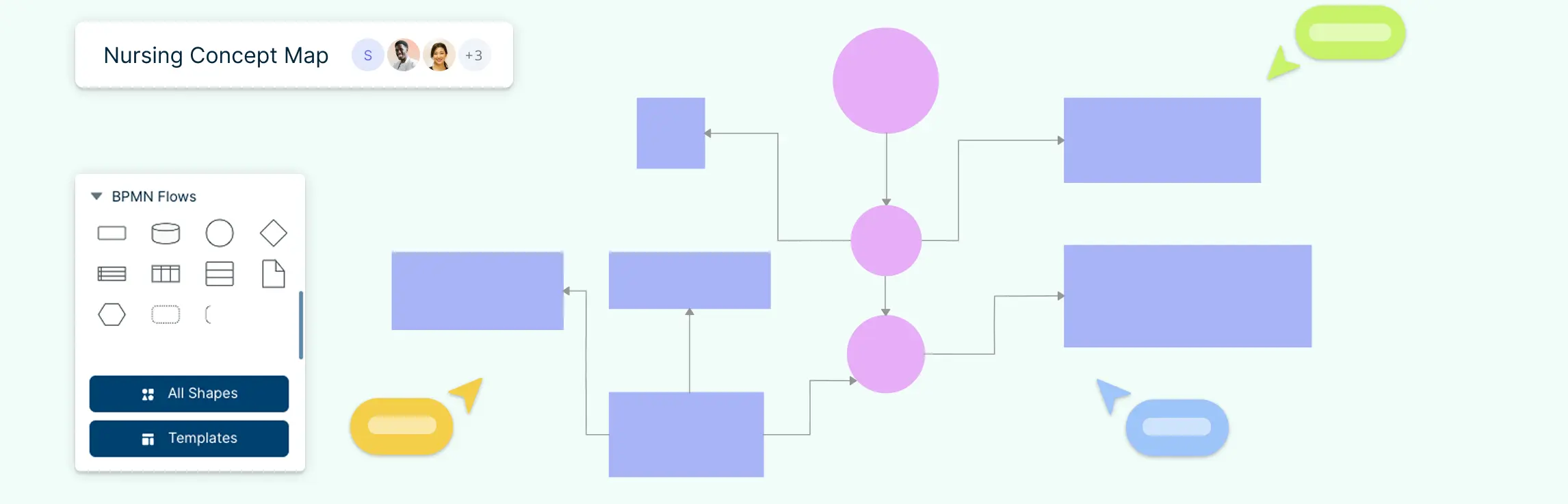
Free Nursing Concept Map Templates for Diagnosis and Care Planning
Nursing school and clinical practice both involve sorting through a large amount of patient information fast. A nursing concept map helps turn scattered notes into a visual care-planning tool that shows how symptoms, diagnoses, interventions, and outcomes connect.
This guide brings together free nursing concept map templates for students and practicing nurses, along with a practical walkthrough of what a nursing concept map is, when to use one, and how to create one effectively.
What Is a Nursing Concept Map?
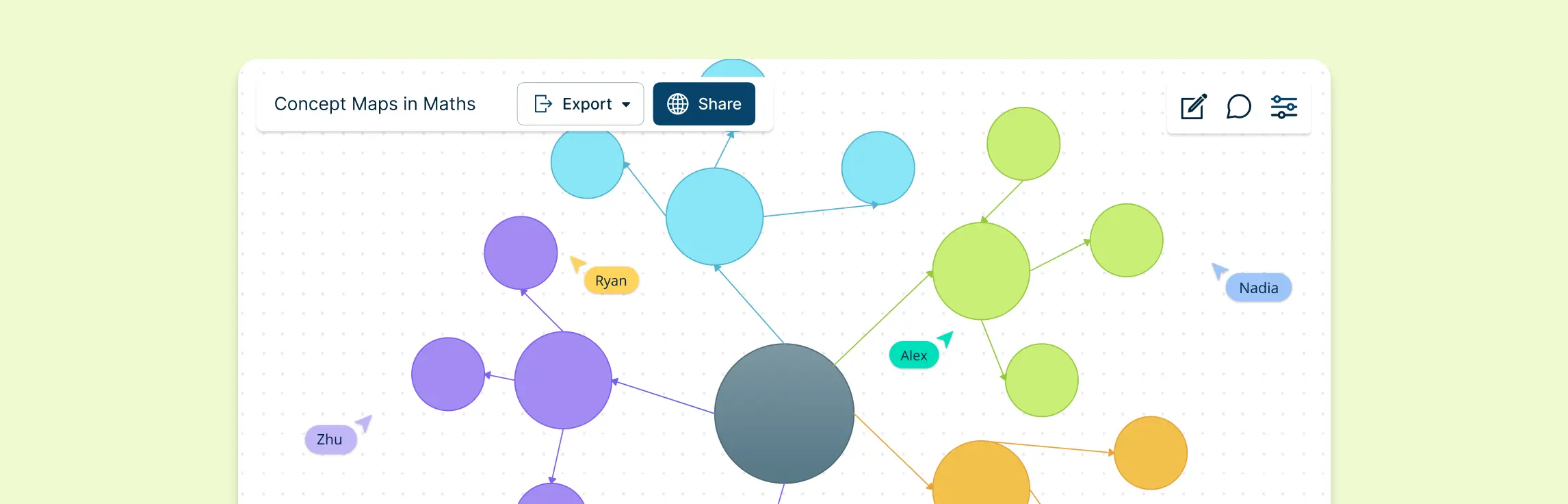
A Nursing Concept Map is a visual tool that organizes and connects critical patient information, making it easier for nurses and students to understand complex medical conditions. It presents a structured diagram where symptoms, diagnoses, treatments, and interventions are linked together, offering a clear picture of patient care needs.
By visually mapping out patient conditions, nurses can quickly identify relationships between different health factors, such as how symptoms correlate with diagnoses and which treatments are most effective. This approach not only enhances critical thinking but also ensures comprehensive patient care planning.
When to Use a Nursing Concept Map
Use a nursing concept map when you need to organize a patient case, compare symptoms and interventions, prepare a care plan, or study for clinical assessments. It is especially helpful when a case involves multiple diagnoses, changing patient priorities, or handoff communication between team members.
Top Editable Nursing Concept Map Templates
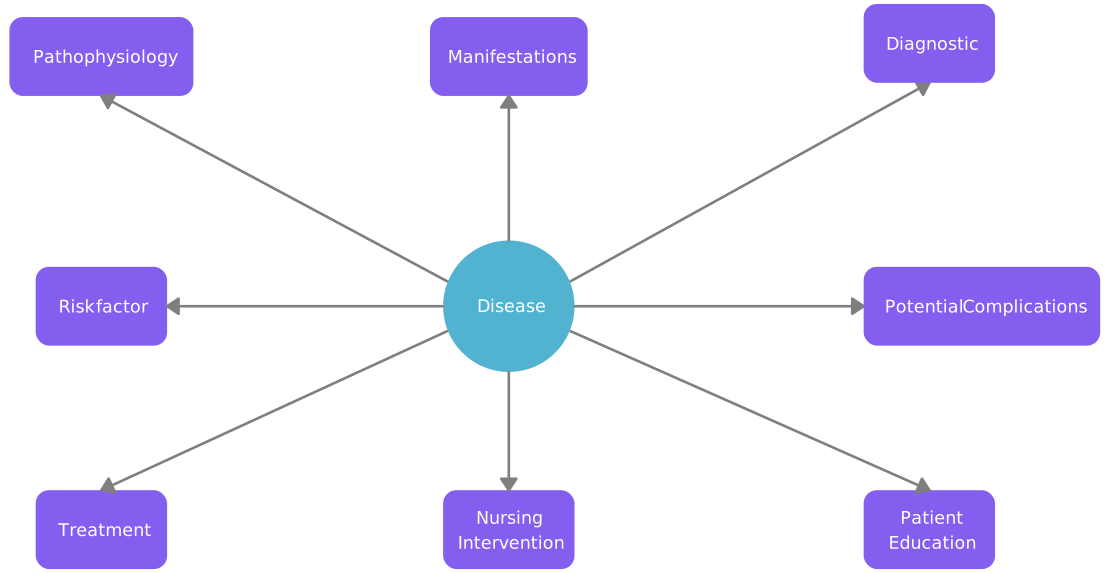


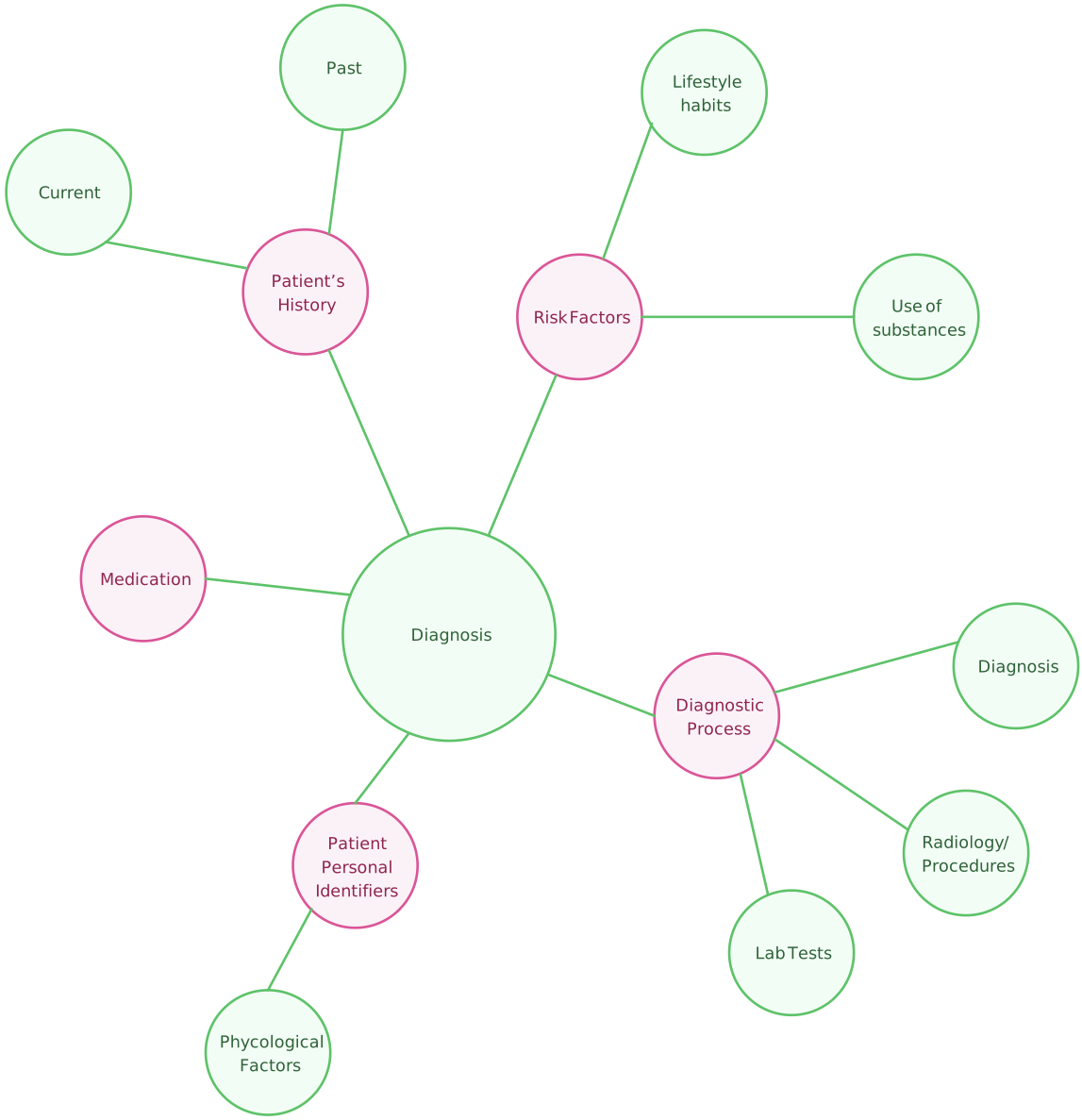
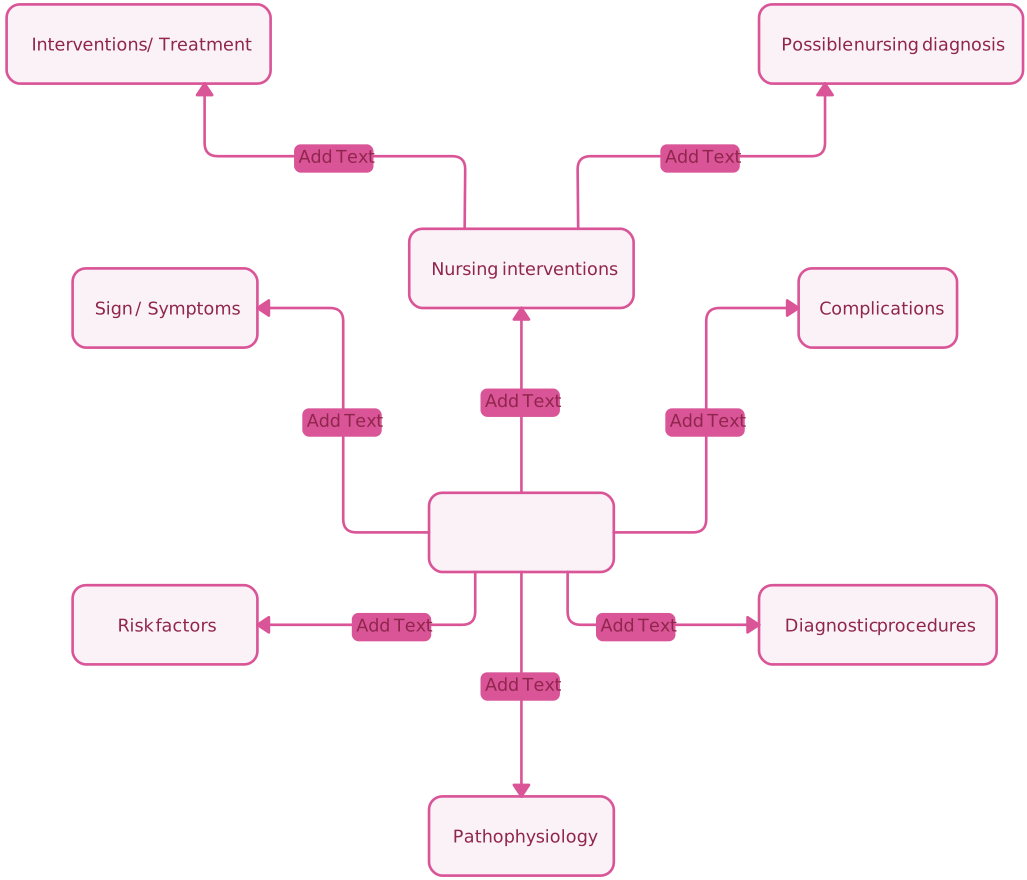
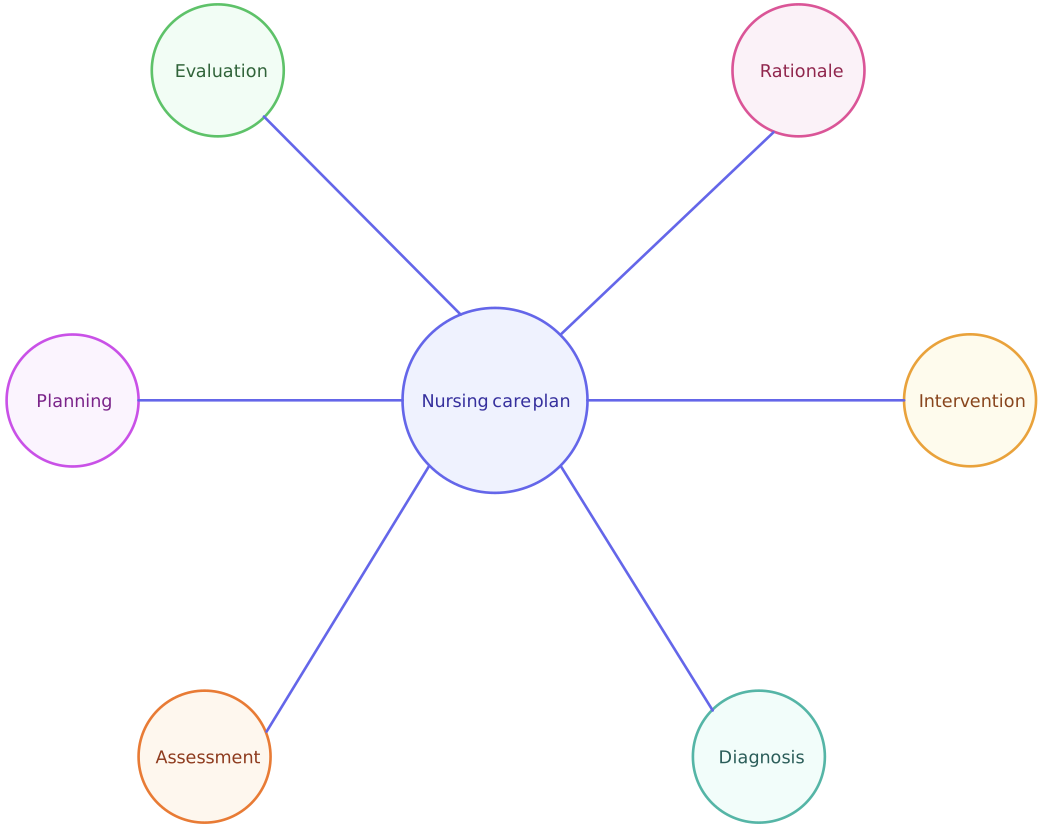
Nursing Student Concept Map Templates: Master the Fundamentals
Basic nursing concept map templates provide a foundational structure for organizing patient assessments, nursing diagnoses, interventions, and outcomes. These templates are especially useful for students who need a repeatable format for assignments, care plans, and exam preparation.
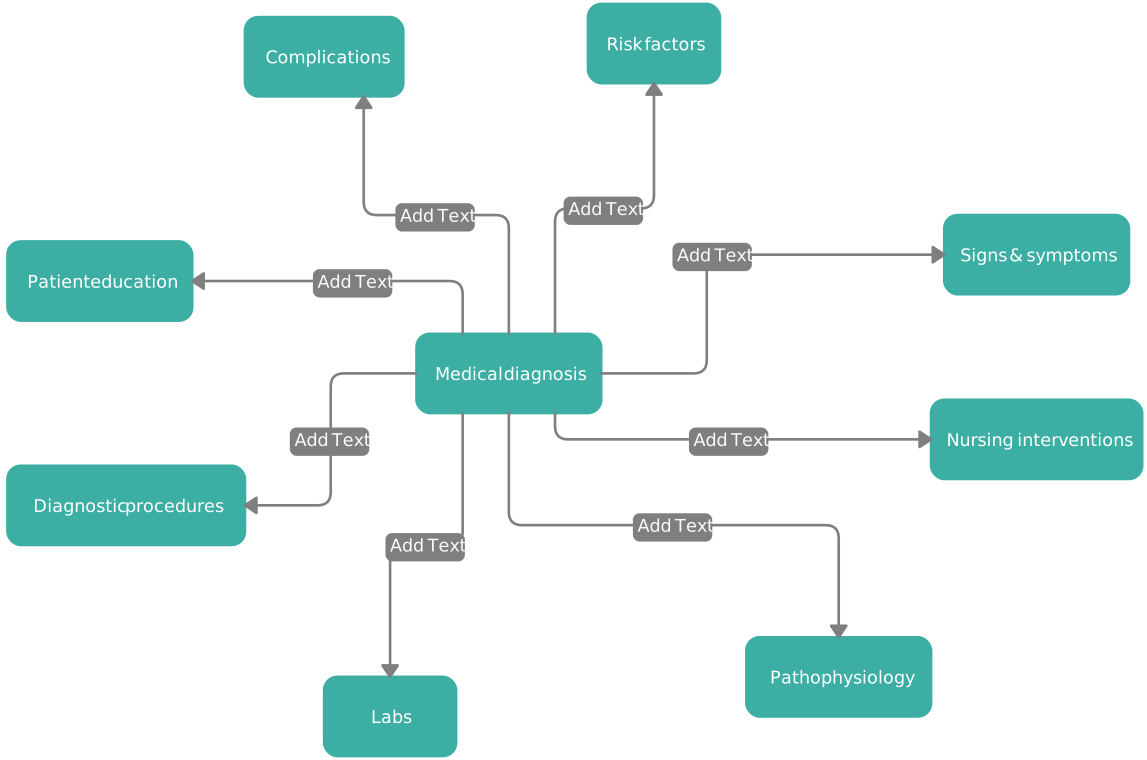

Diagnosis & Disease Concept Map Templates: Clinical Decision Making Made Visual
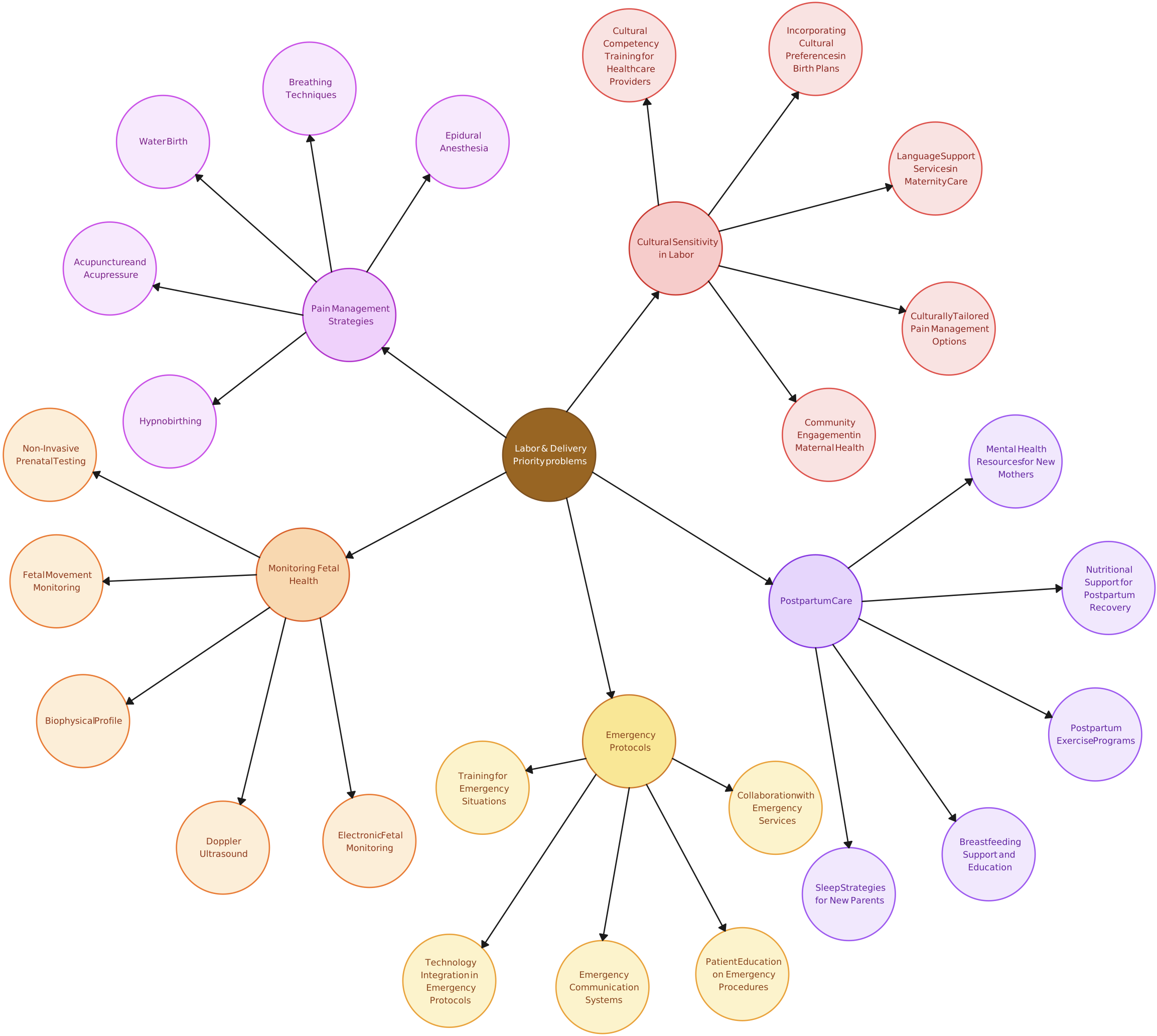
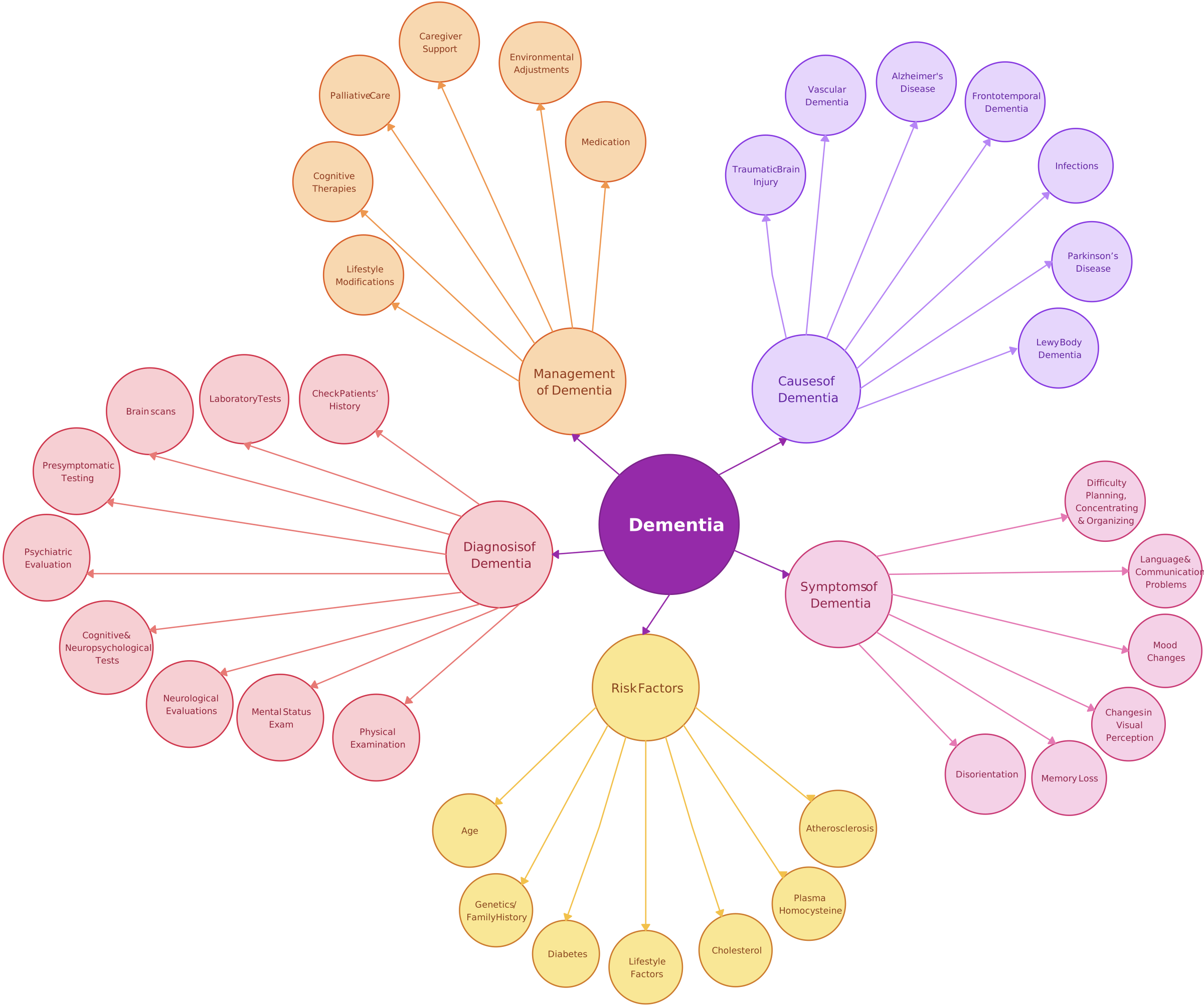
Don’t just list symptoms—visualize the relationship between a disease and its impact on the patient. Disease-specific nursing concept map templates help nurses and students understand the causes, symptoms, treatments, and care plans for various medical conditions. These templates cover conditions like diabetes, hypertension, sepsis, COPD, and more.
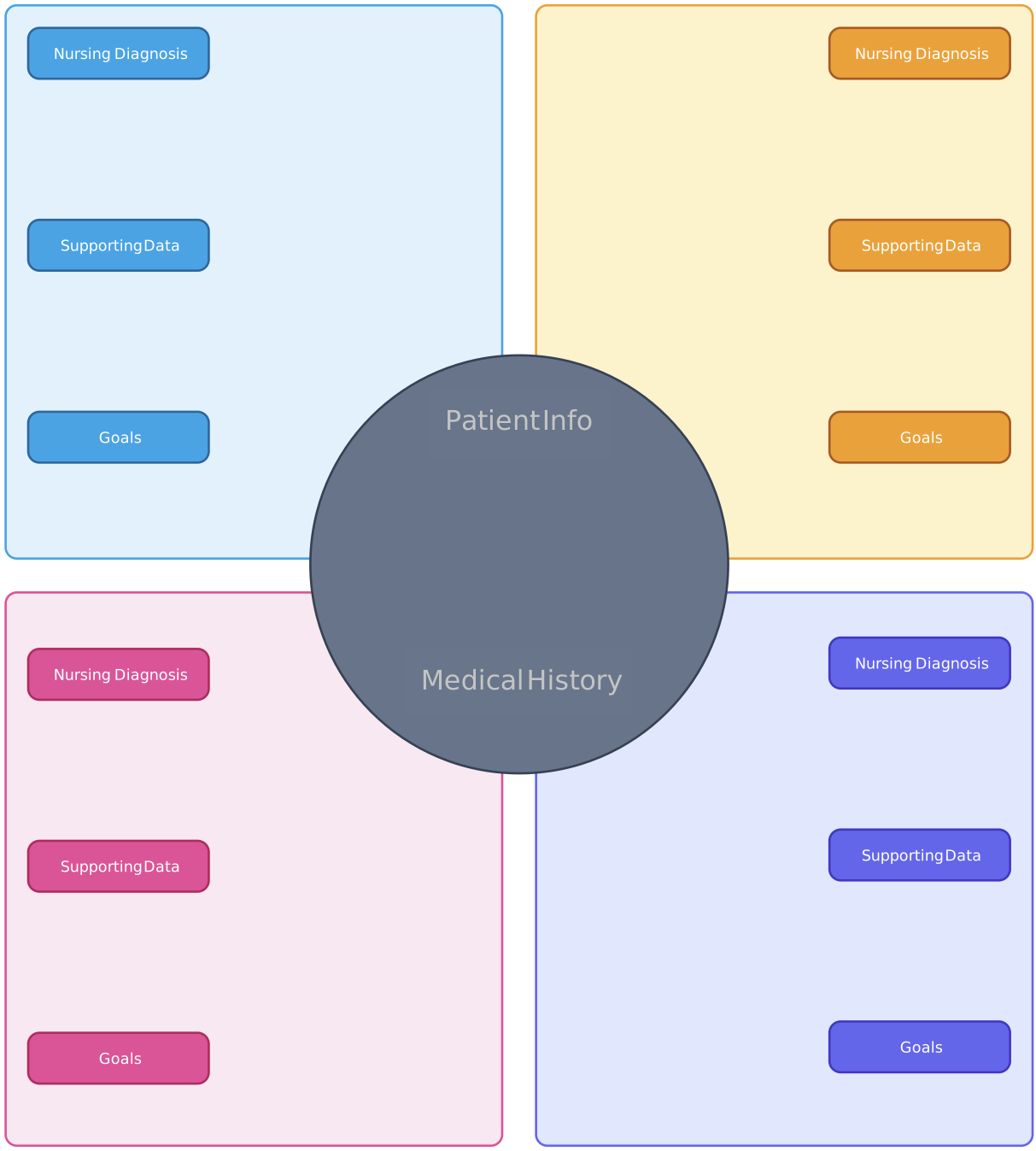
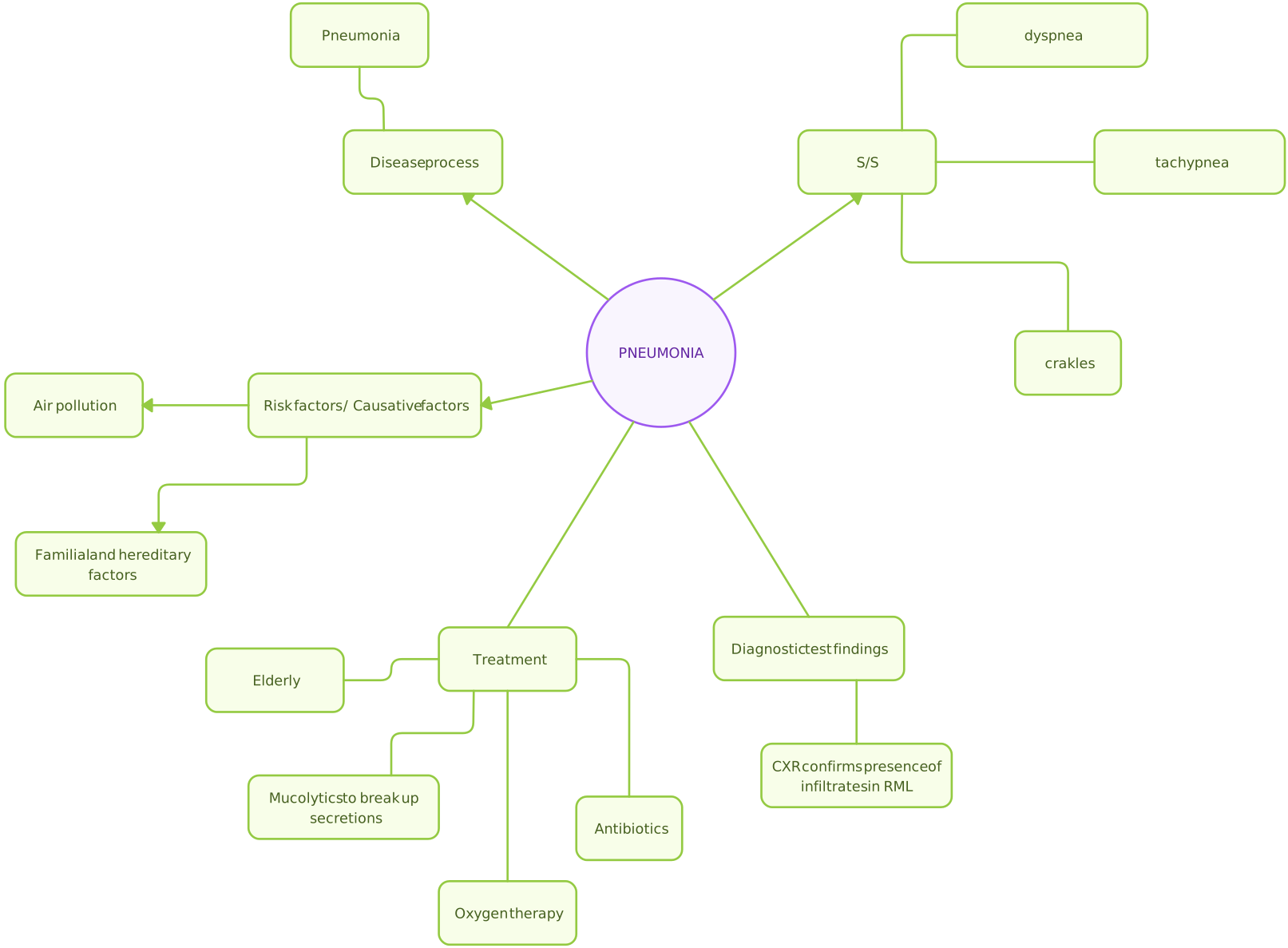
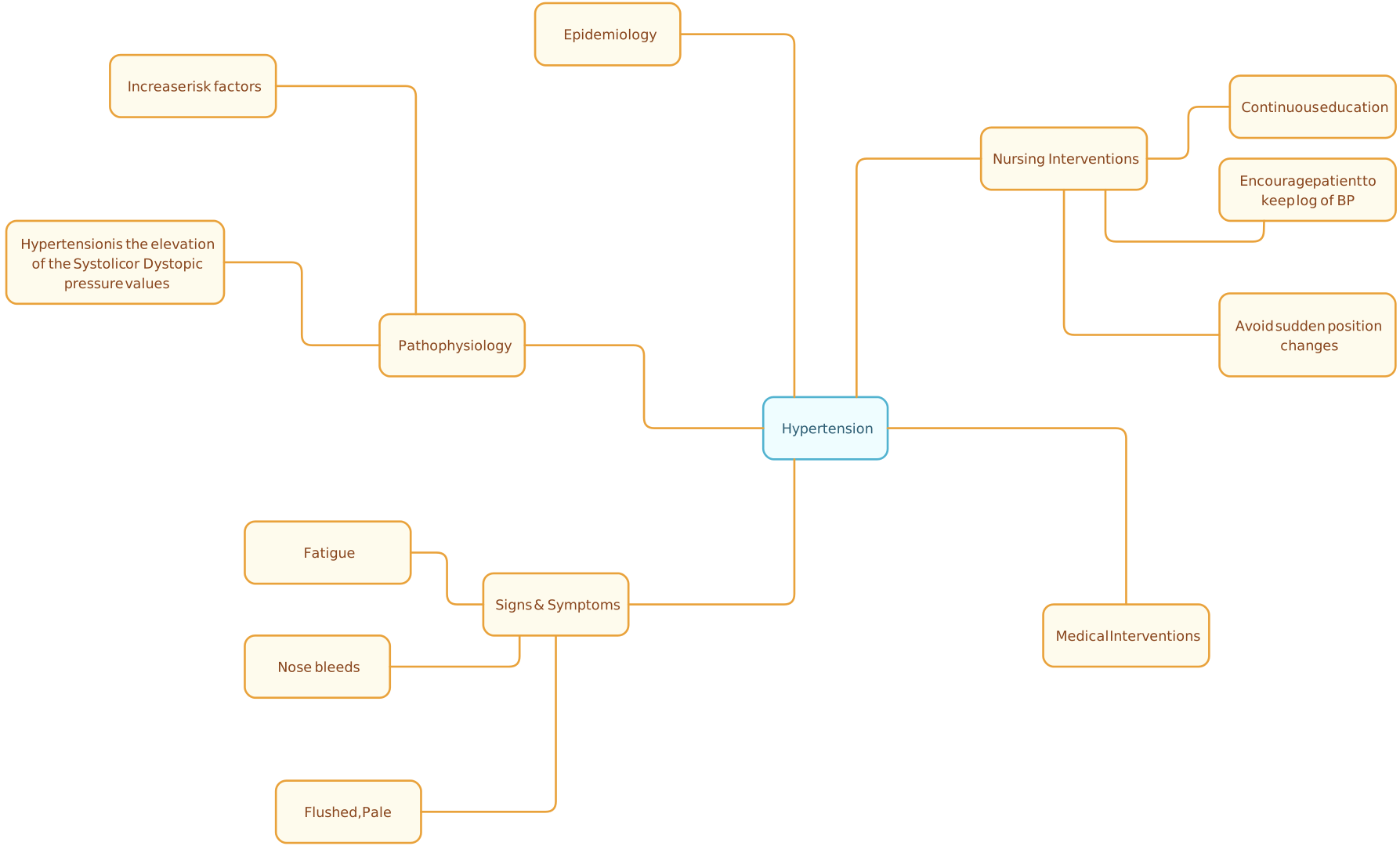
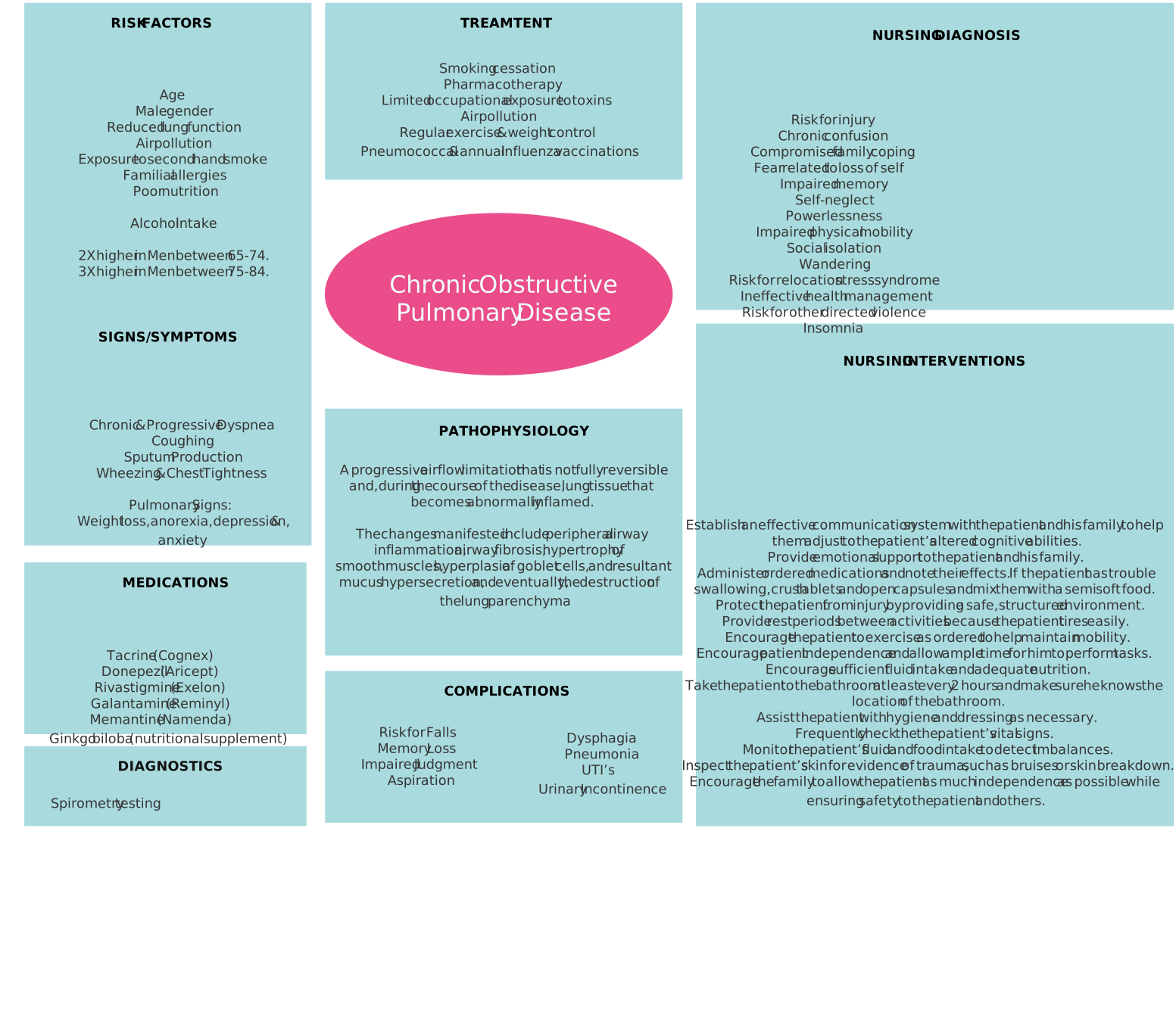
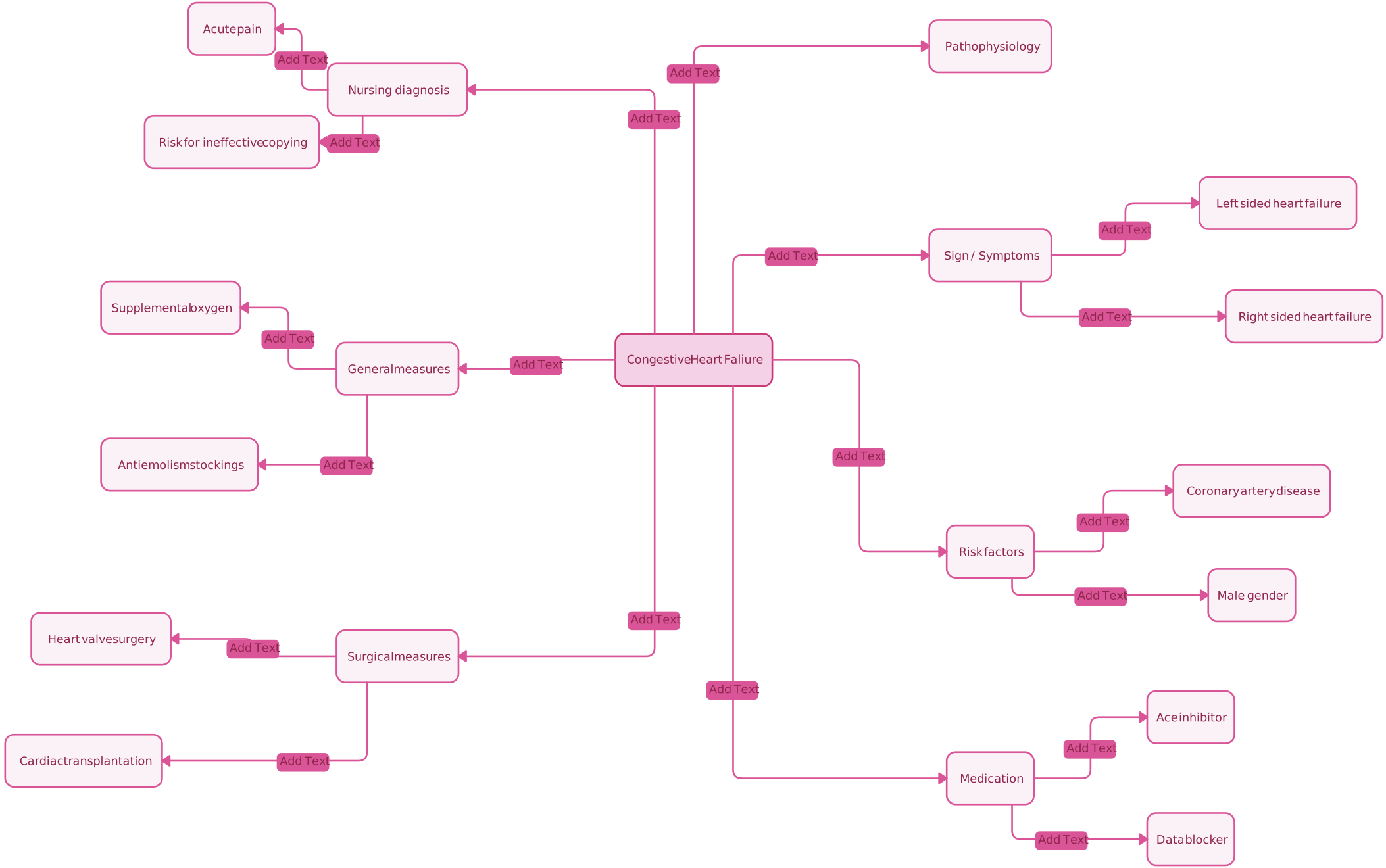
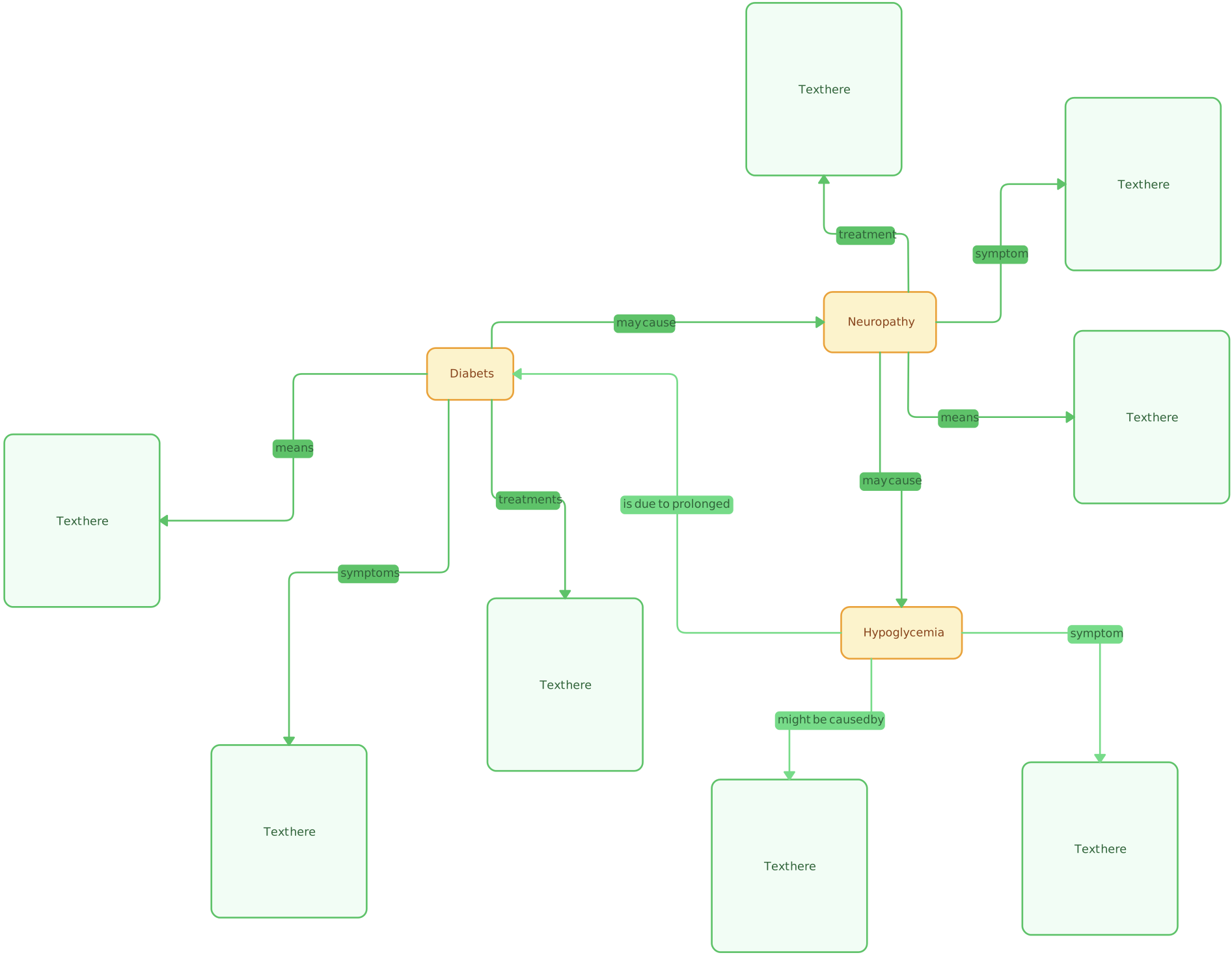
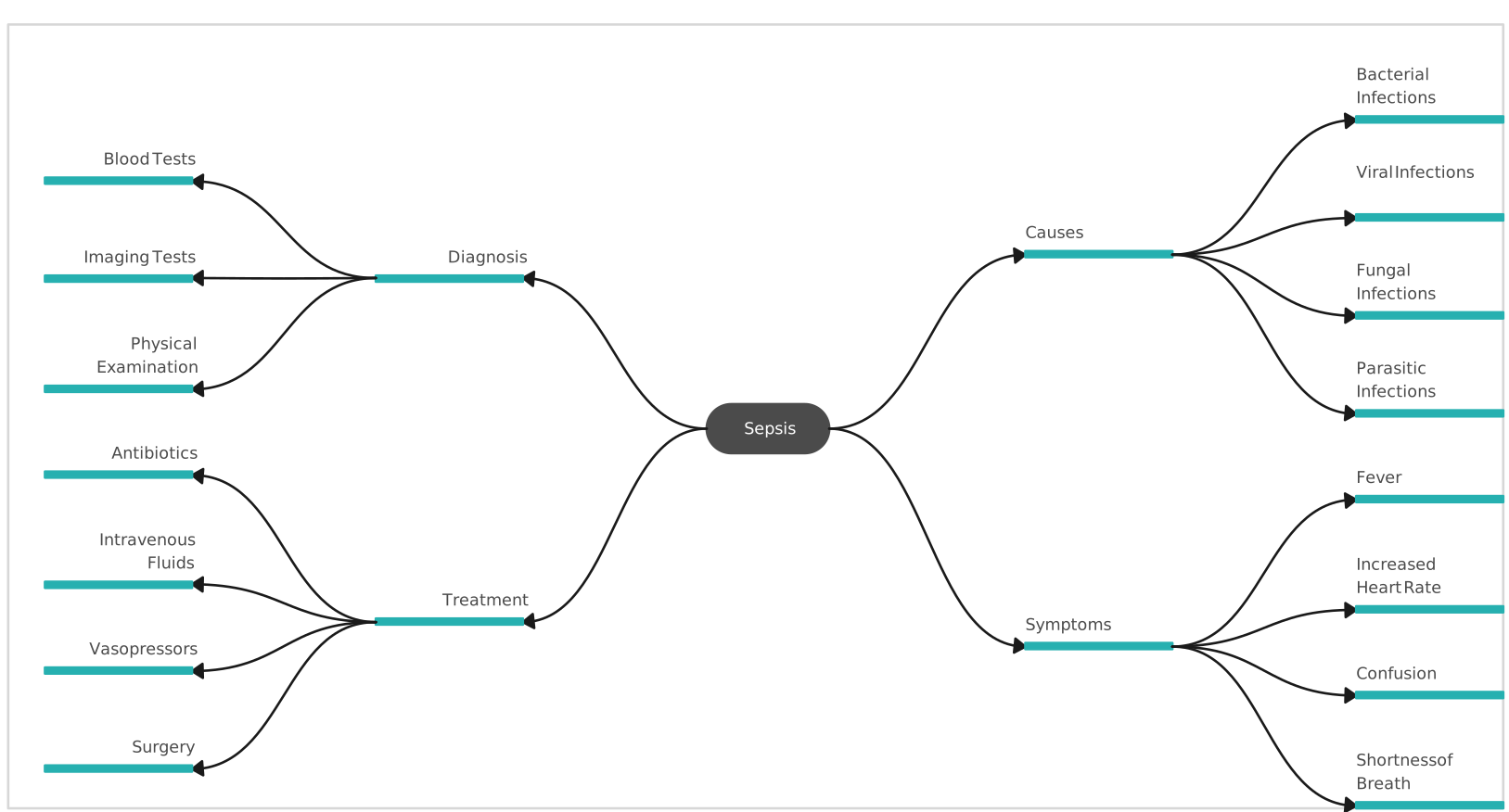

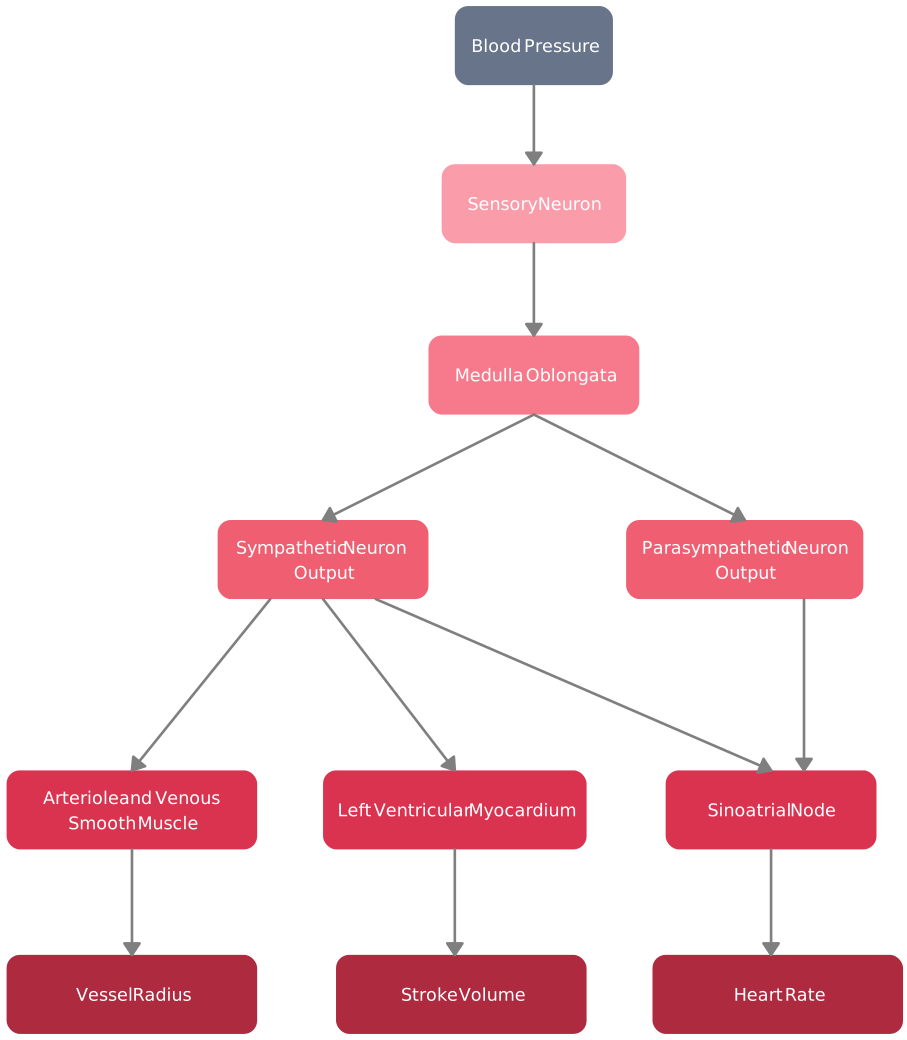
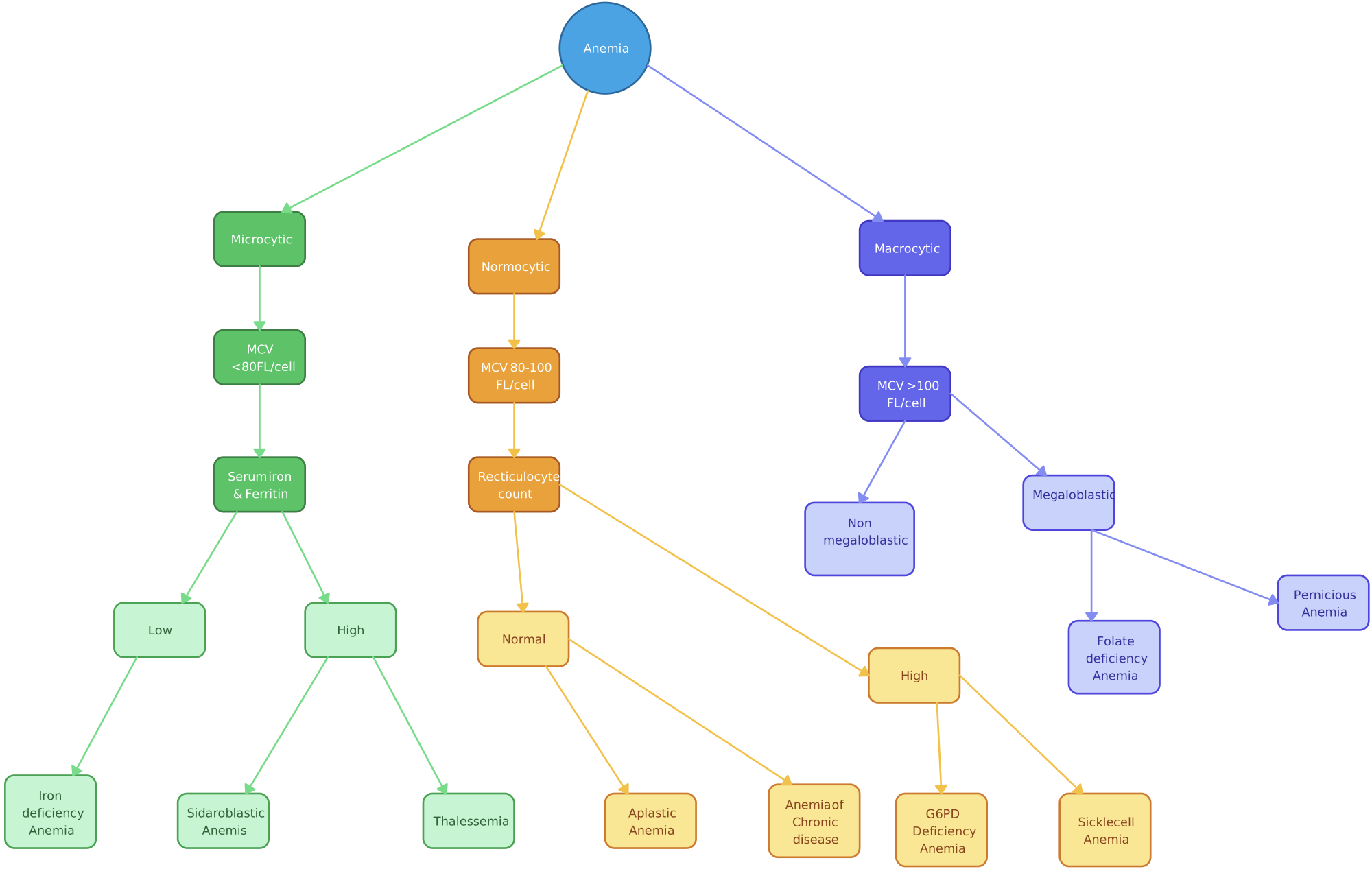
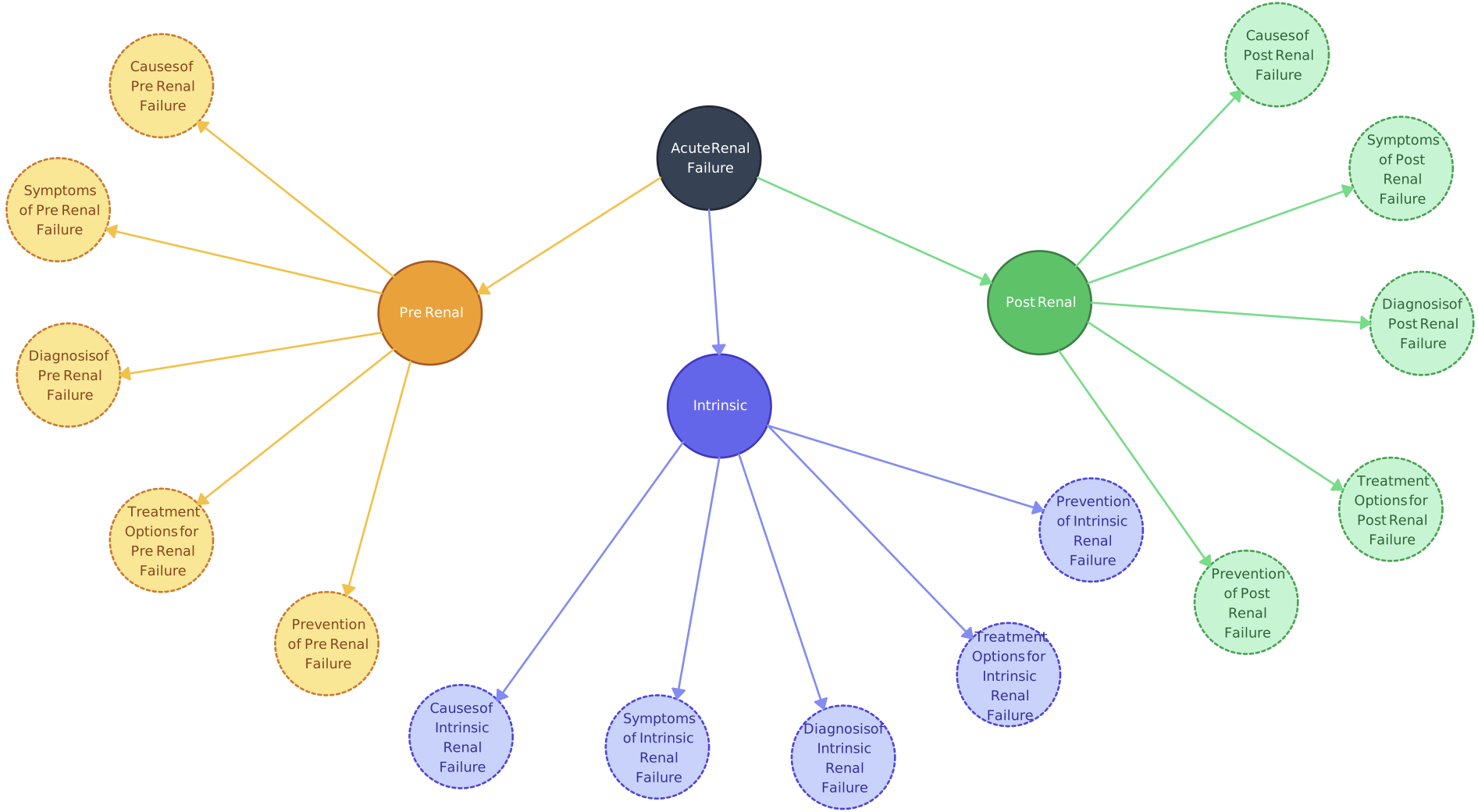

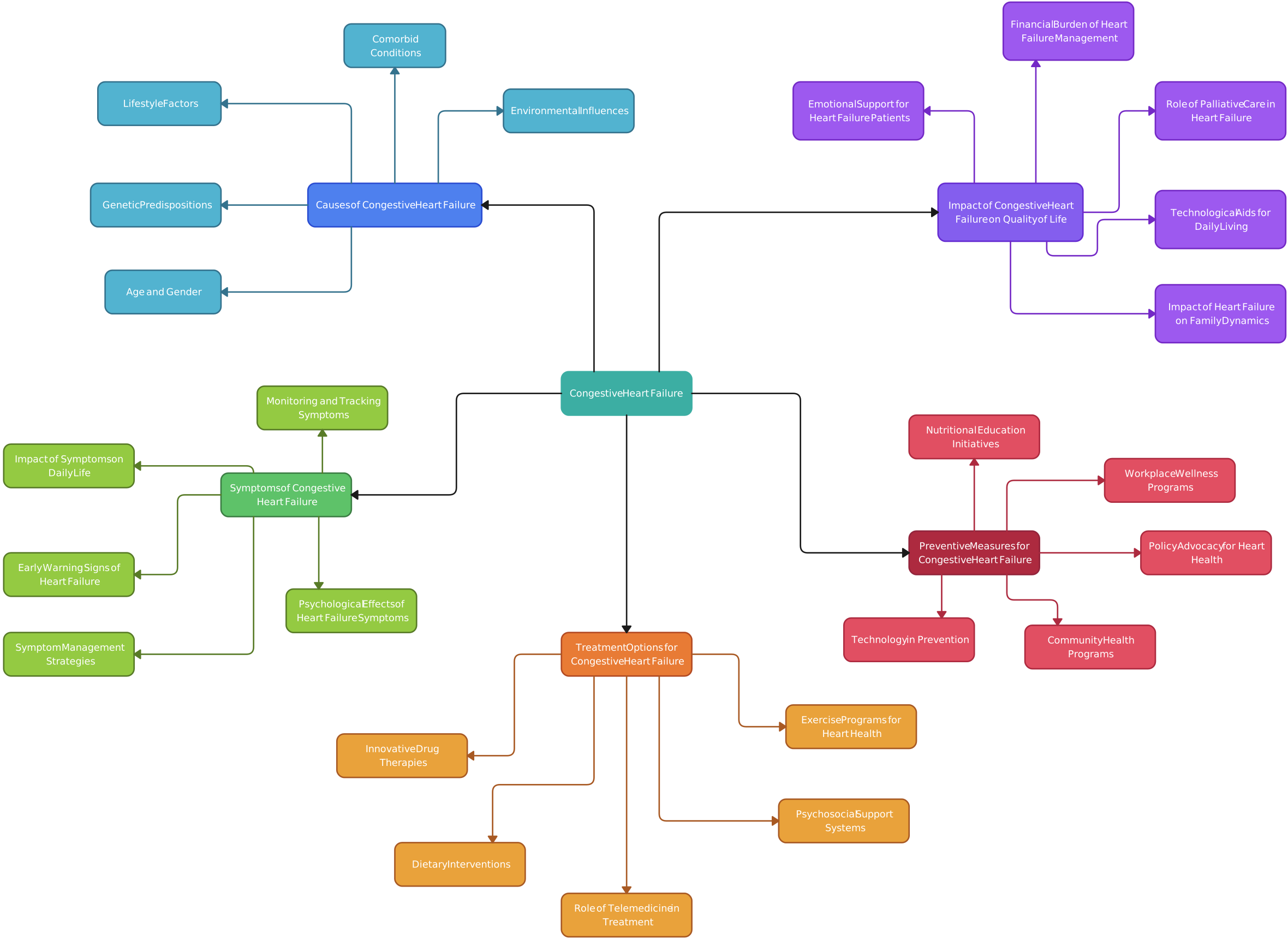
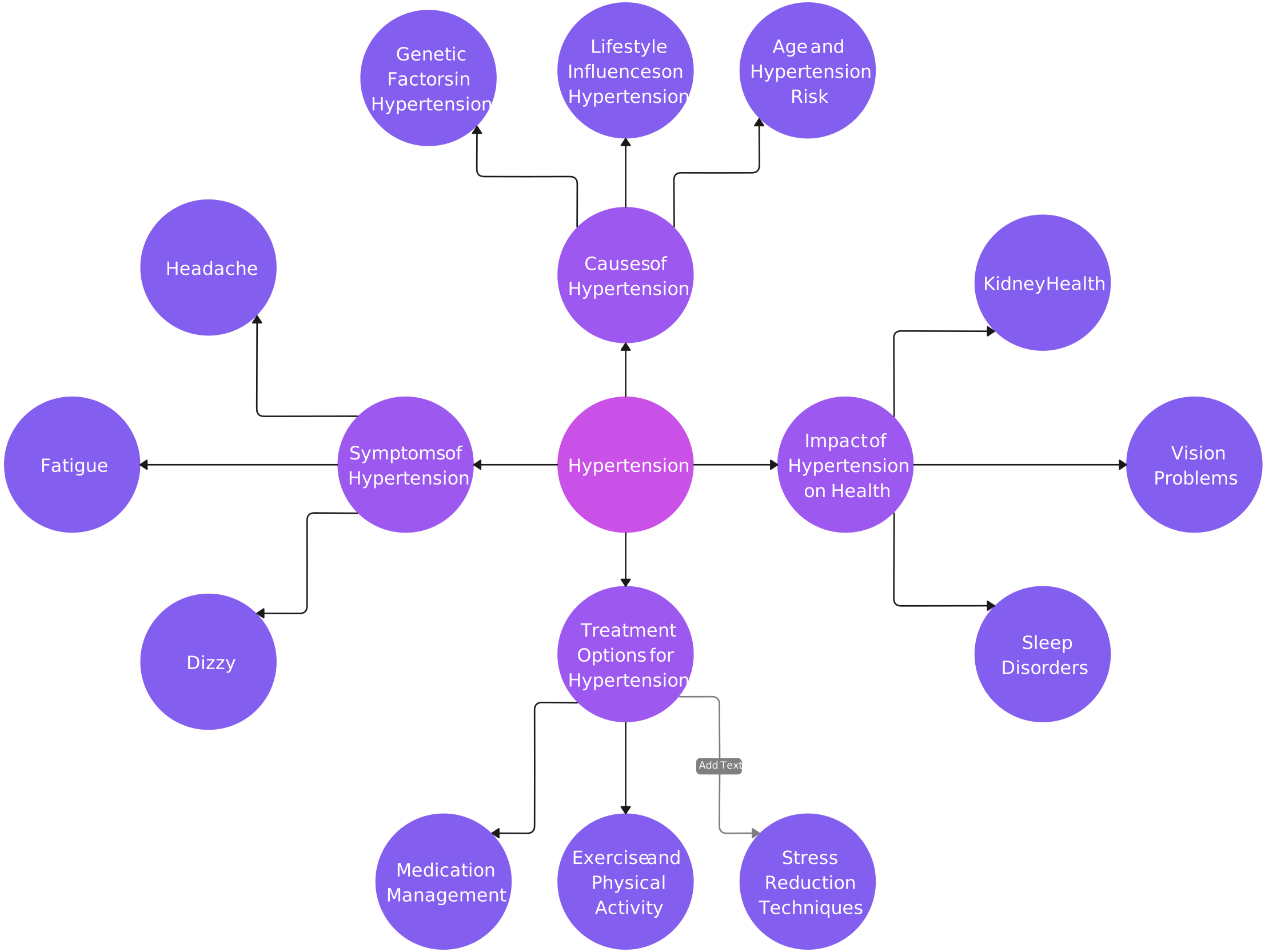
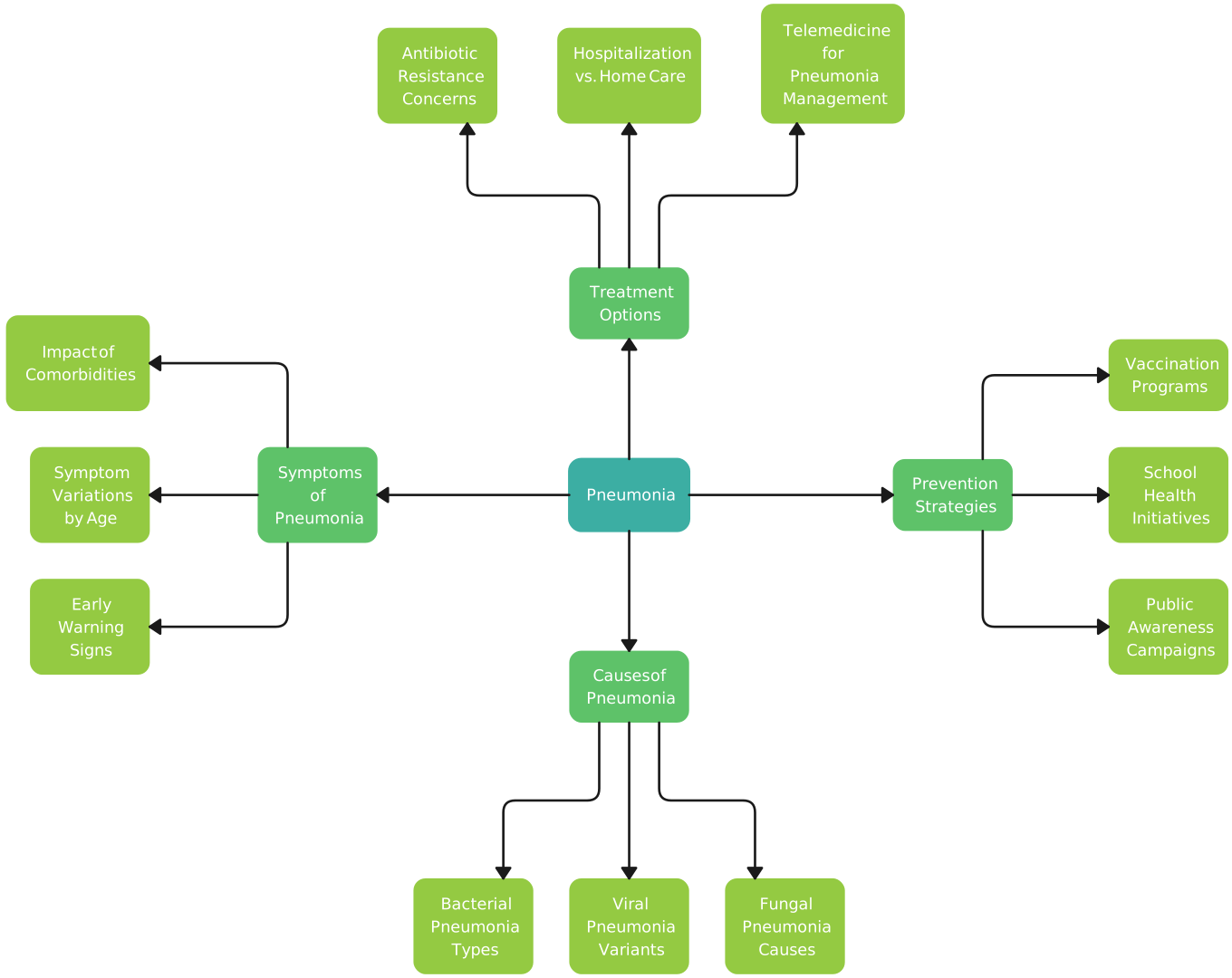
Patient Care Concept Map Templates for Modern Teams
In a high-speed clinical setting, messy notes don’t work. Use these professional-grade care map templates to coordinate with multidisciplinary teams. They help nurses visually connect symptoms, risk factors, interventions, and treatment outcomes, ensuring a comprehensive approach to patient management.
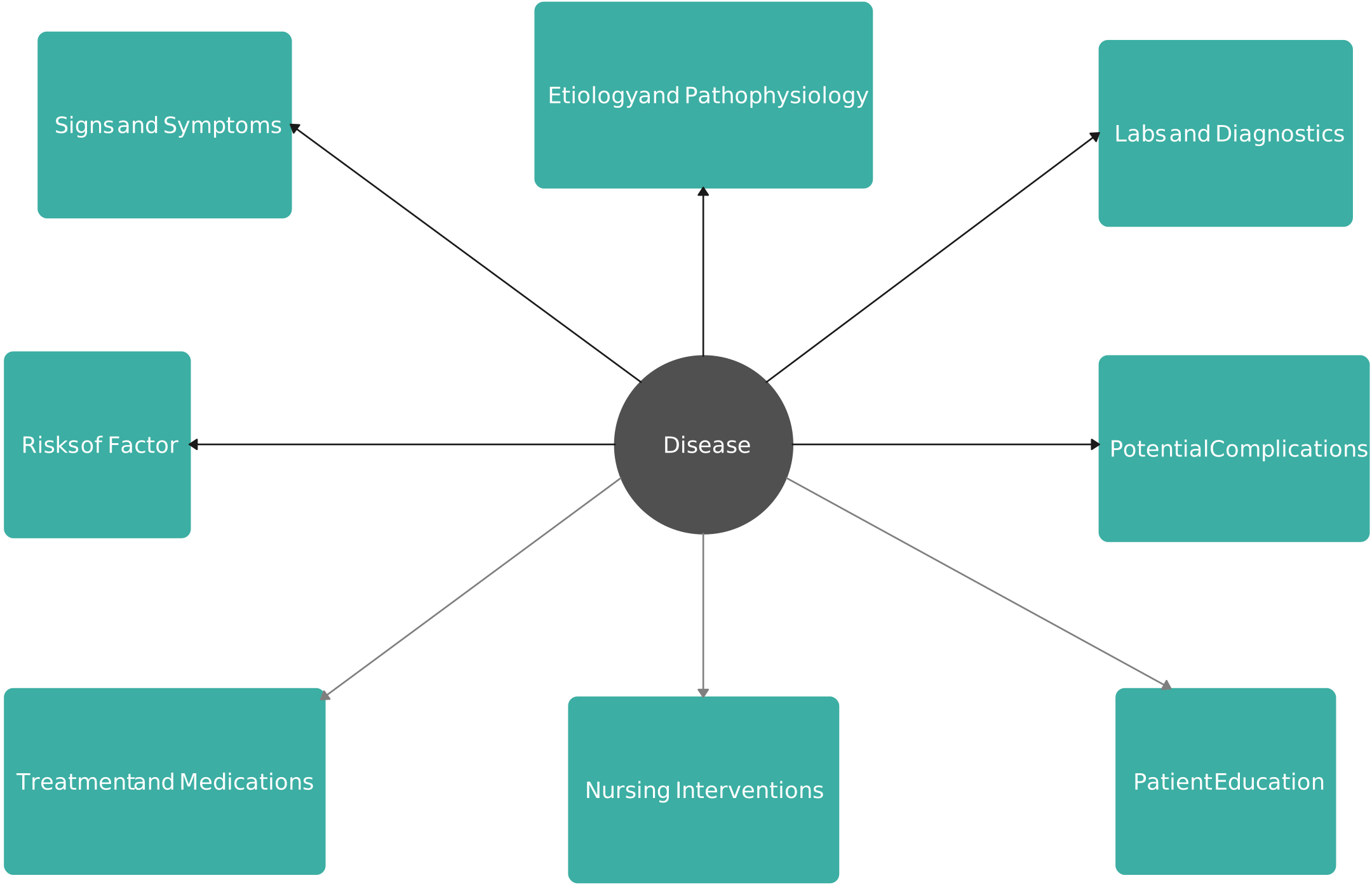
How to Create a Nursing Concept Map in 5 Easy Steps
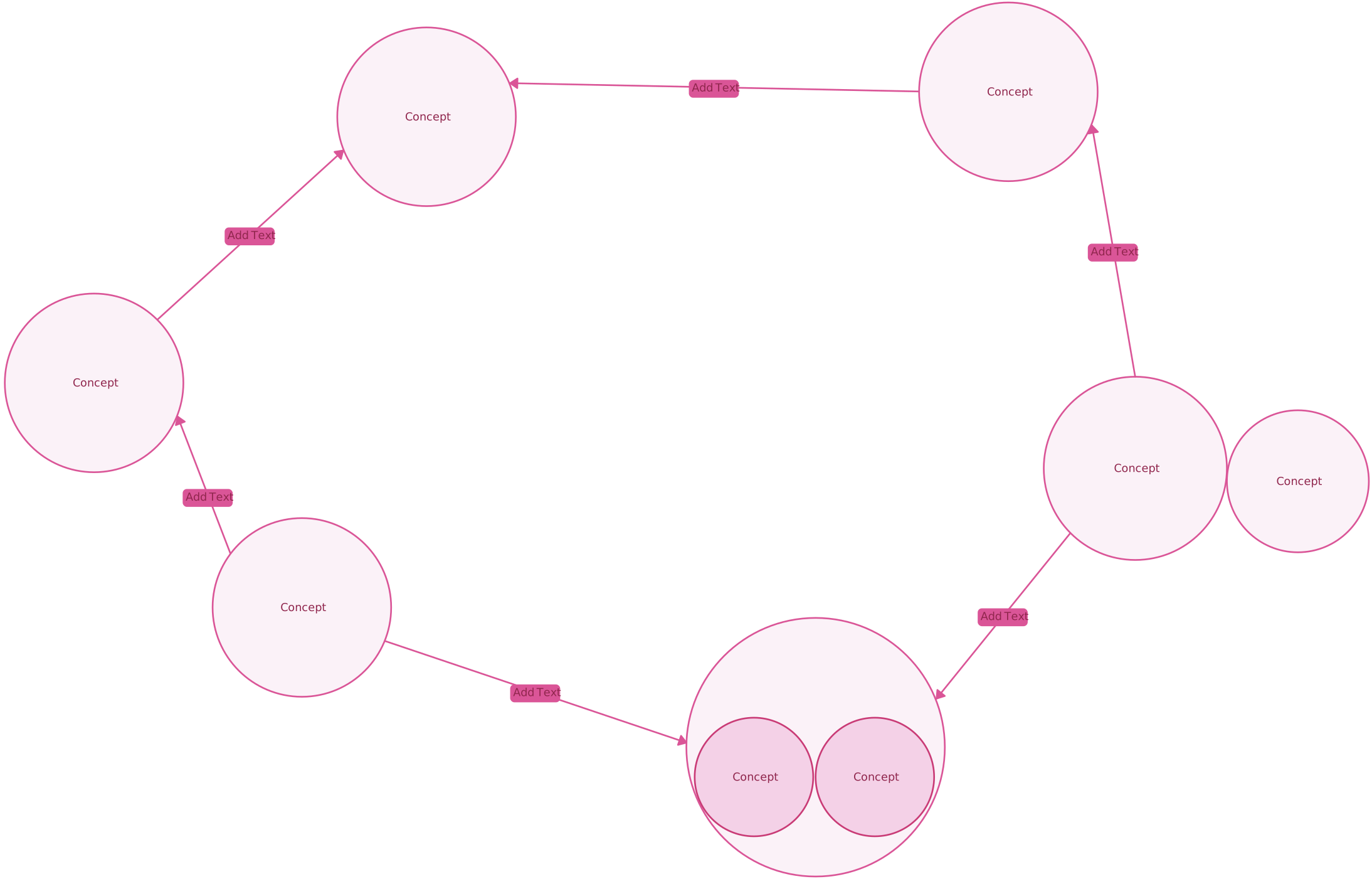
Creating a Nursing Concept Map involves a step-by-step approach to organizing and visualizing patient information effectively. Whether you’re a nursing student studying medical conditions or a professional developing a care plan, following these steps will help you create a clear and functional concept map.
Step 1: Identify the Main Nursing Topic
Every great care plan starts with a clear focus. Identify the central problem your patient is facing.
Action: Place your main topic in the center of your canvas.
Examples: This could be a specific medical condition (e.g., Sepsis or Diabetes Type II), a high-priority nursing diagnosis (e.g., Impaired Gas Exchange), or a specific care focus like Post-Op Recovery.
Step 2: Compile Symptoms, Pathophysiology, and Interventions
Once you have identified the main topic, compile all relevant information associated with it. Break this information down into categories such as:
- Symptoms & Assessment Data: What are the subjective and objective findings? (e.g., vitals, patient pain levels).
- Causes & Pathophysiology: How is this condition progressing in the body?
- Nursing Interventions: What actions are you taking right now? Include medications, monitoring, and patient education.
Step 3: Choose Your Framework: Hierarchical vs. Flow-Based
How do you need to see the data? Choosing the right structure helps your brain process clinical relationships faster.
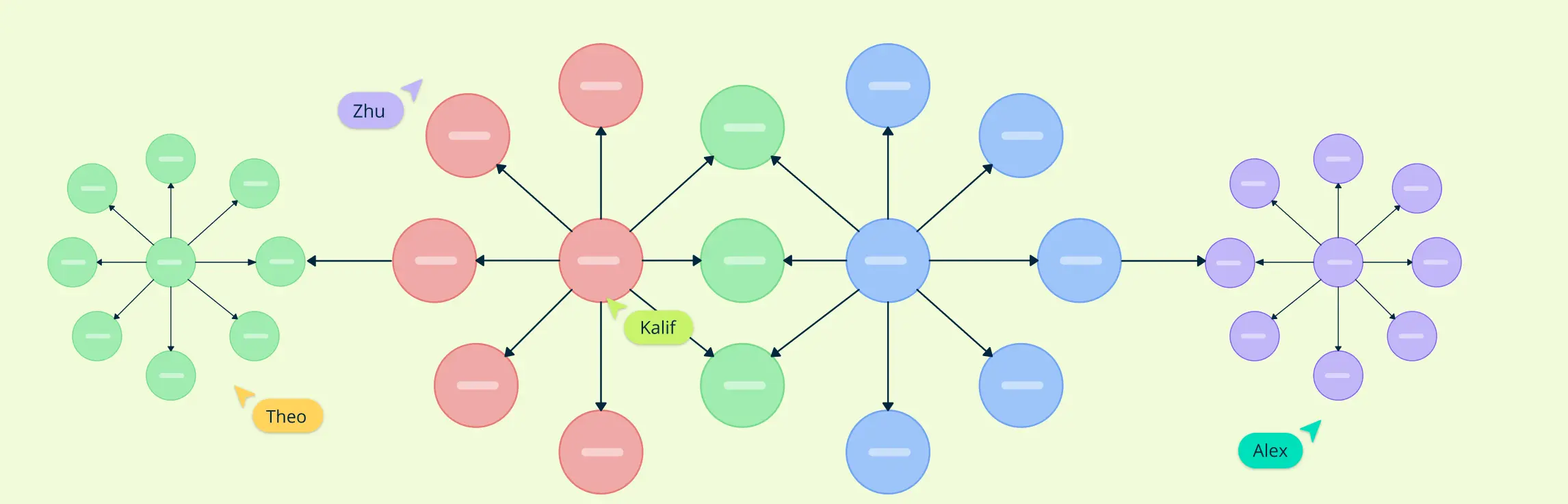
- Hierarchical Approach: Best for structured care plans. Start with the diagnosis at the top and branch down into categories like “Assessment,” “Interventions,” and “Evaluation.”
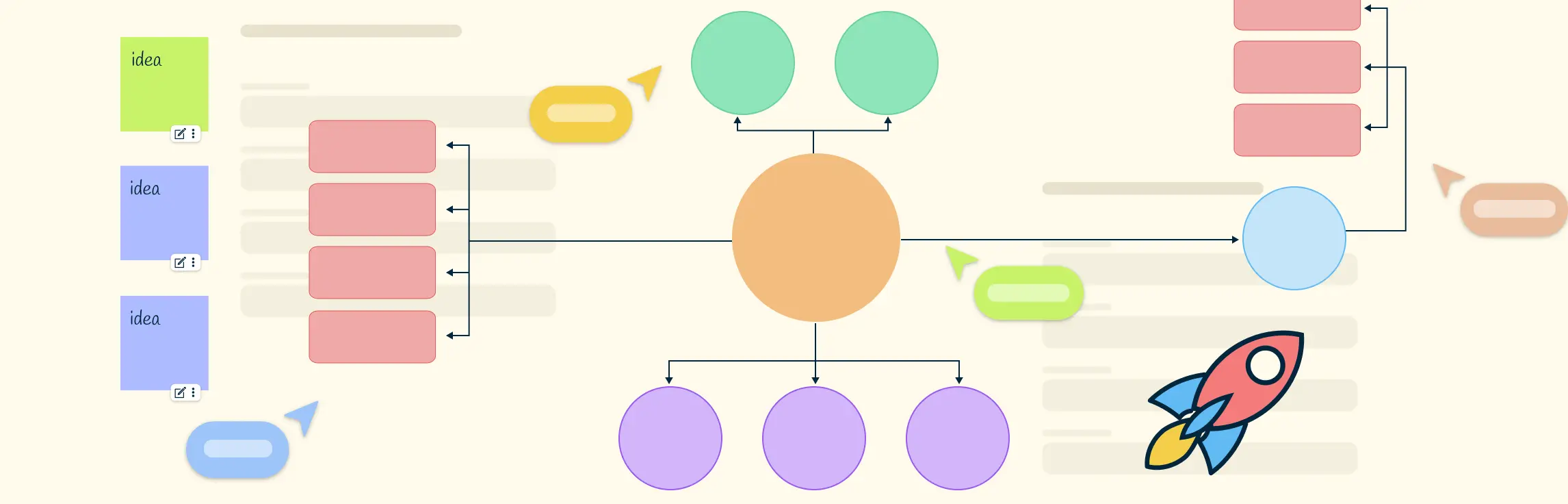
- Flow-Based Approach: Best for disease progression. Use arrows to show a “cause-and-effect” chain, illustrating how one symptom or intervention leads to the next outcome.
Step 4: Connect Ideas Using Lines or Arrows to Show Relationships
Once your categories are structured, link them using lines, arrows, or connectors to show relationships between different elements.
- Action: Draw arrows from Causes to Symptoms to show pathogenesis. Link Interventions directly to Expected Outcomes.
- Pro Tip: Use Color-Coding. Use Red for life-threatening priorities, Blue for standard monitoring, and Green for successful outcomes. This allows you to “triage” your concept map at a glance.
Step 5: Review and Refine the Concept Map for Accuracy and Completeness
A concept map is a living document. Review your work to ensure it reflects the current patient status and contains no logical gaps.
- Review for Accuracy: Does the pathophysiology align with the symptoms? Are the interventions evidence-based?
- Export for Clinicals: Once you’ve achieved clarity, export your nursing concept map as a free PDF, PNG, or SVG. It’s now ready to be attached to an Electronic Health Record (EHR) or handed to a clinical instructor.
Once refined, your Nursing Concept Map can serve as a study tool, patient care guide, or educational resource, helping to enhance nursing knowledge and clinical decision-making. You can easily get started with Creately’s concept map maker or explore our collection of concept map templates.
More Concept Maps to Explore
Nursing Concept Map Templates for Public Health
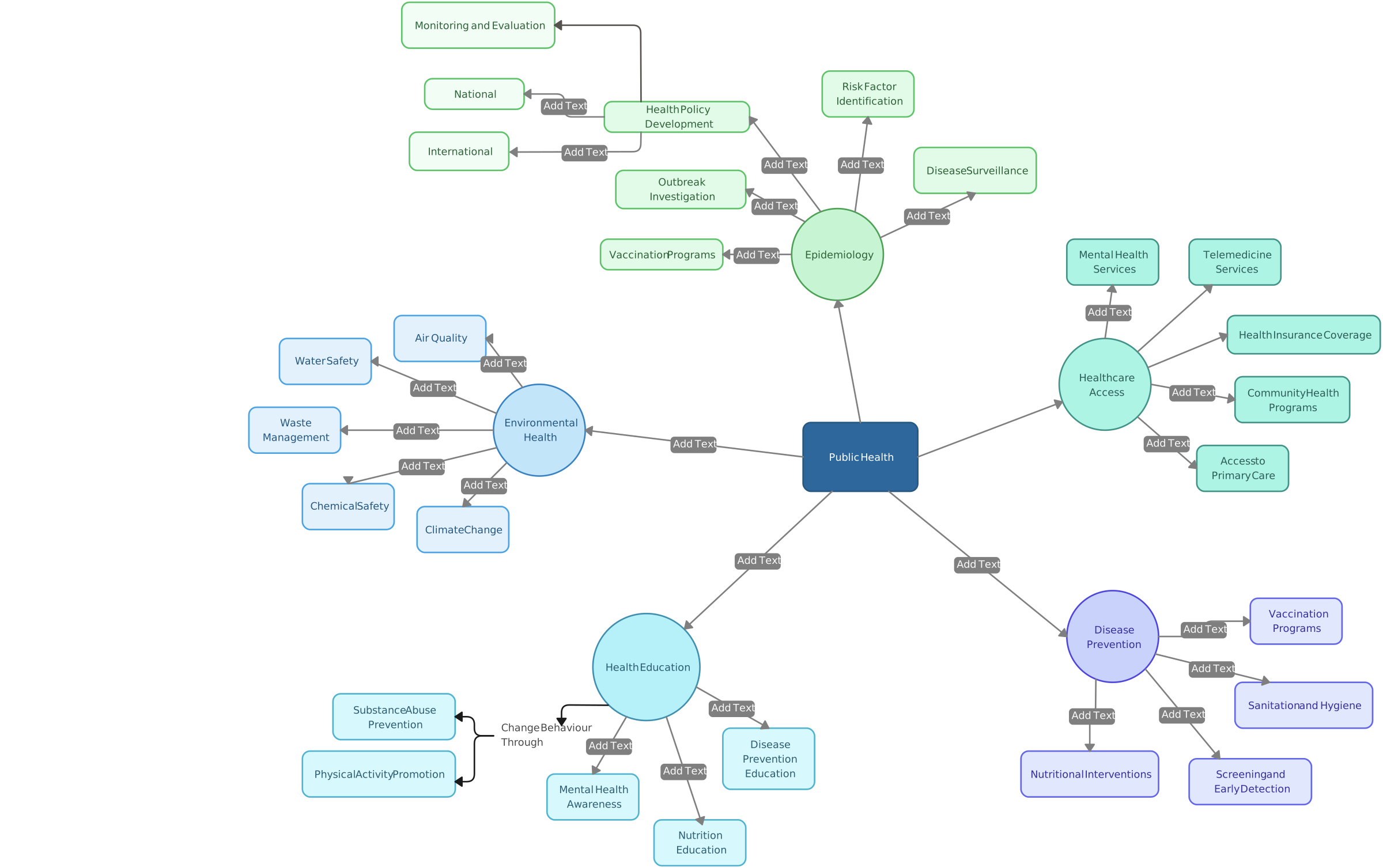
Public health-focused nursing concept maps provide structured insights into community health issues, disease prevention, vaccination programs, and public health interventions. These templates help nurses assess and develop community-based healthcare strategies.
Mental Health-Related Nursing Concept Maps
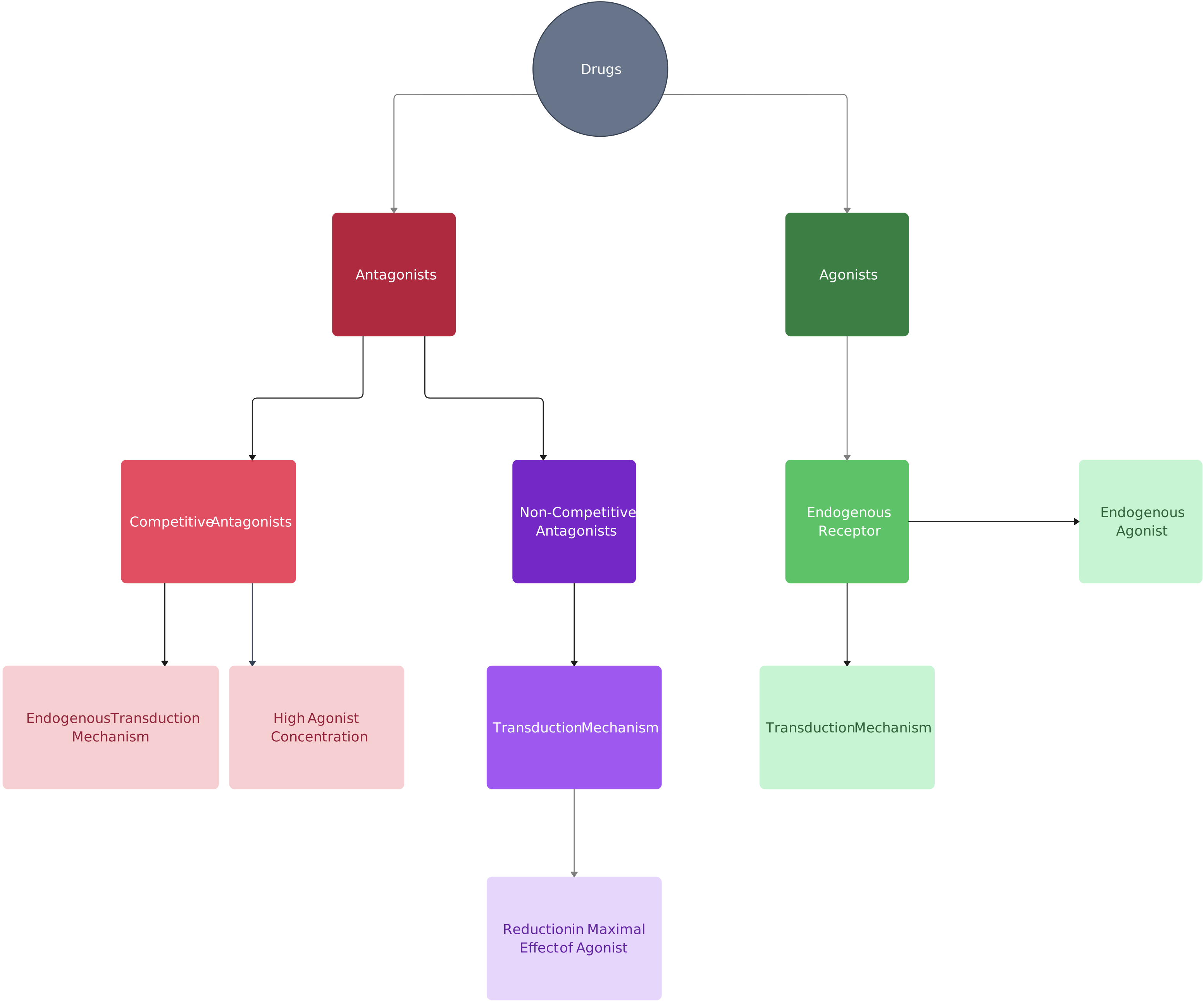
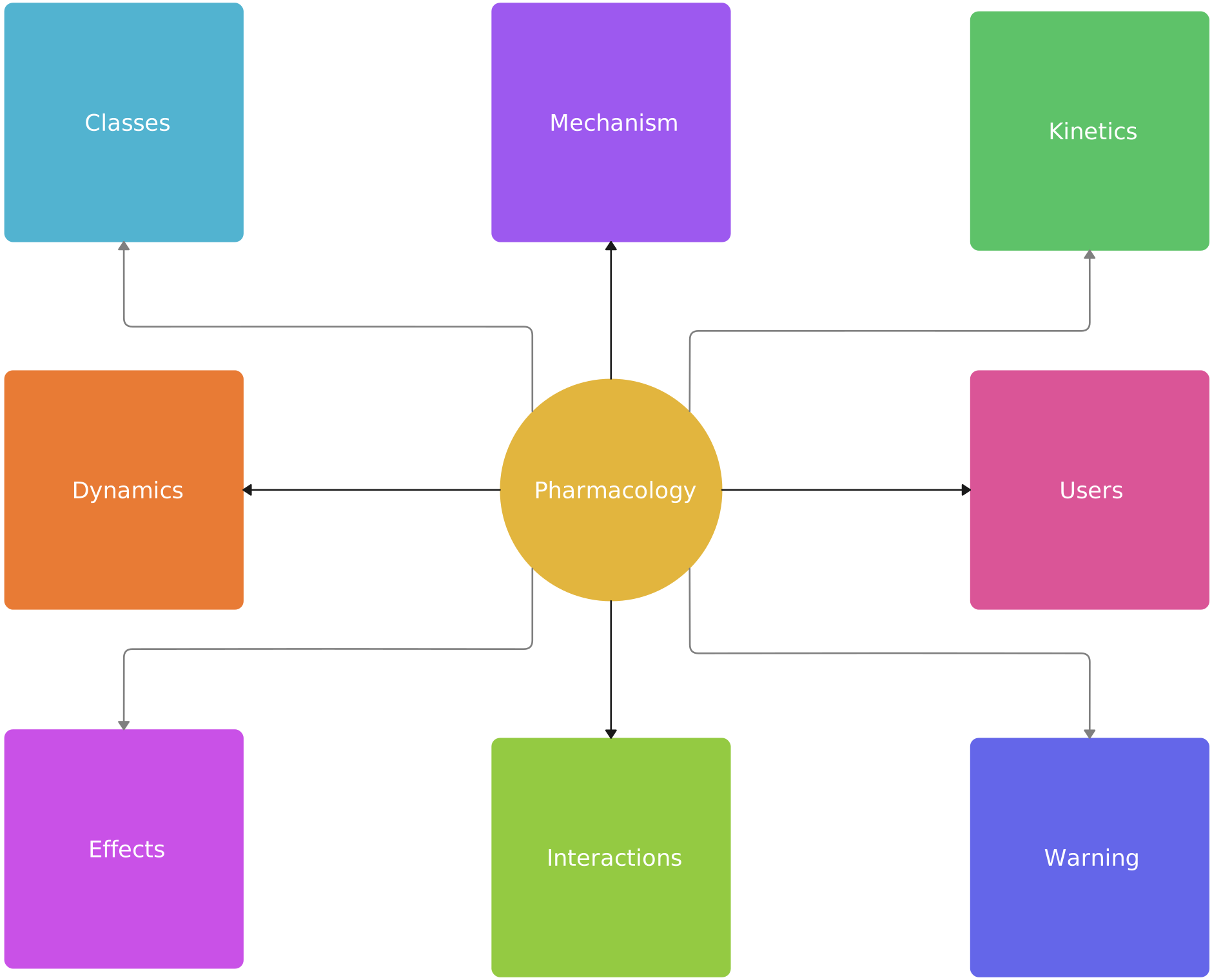
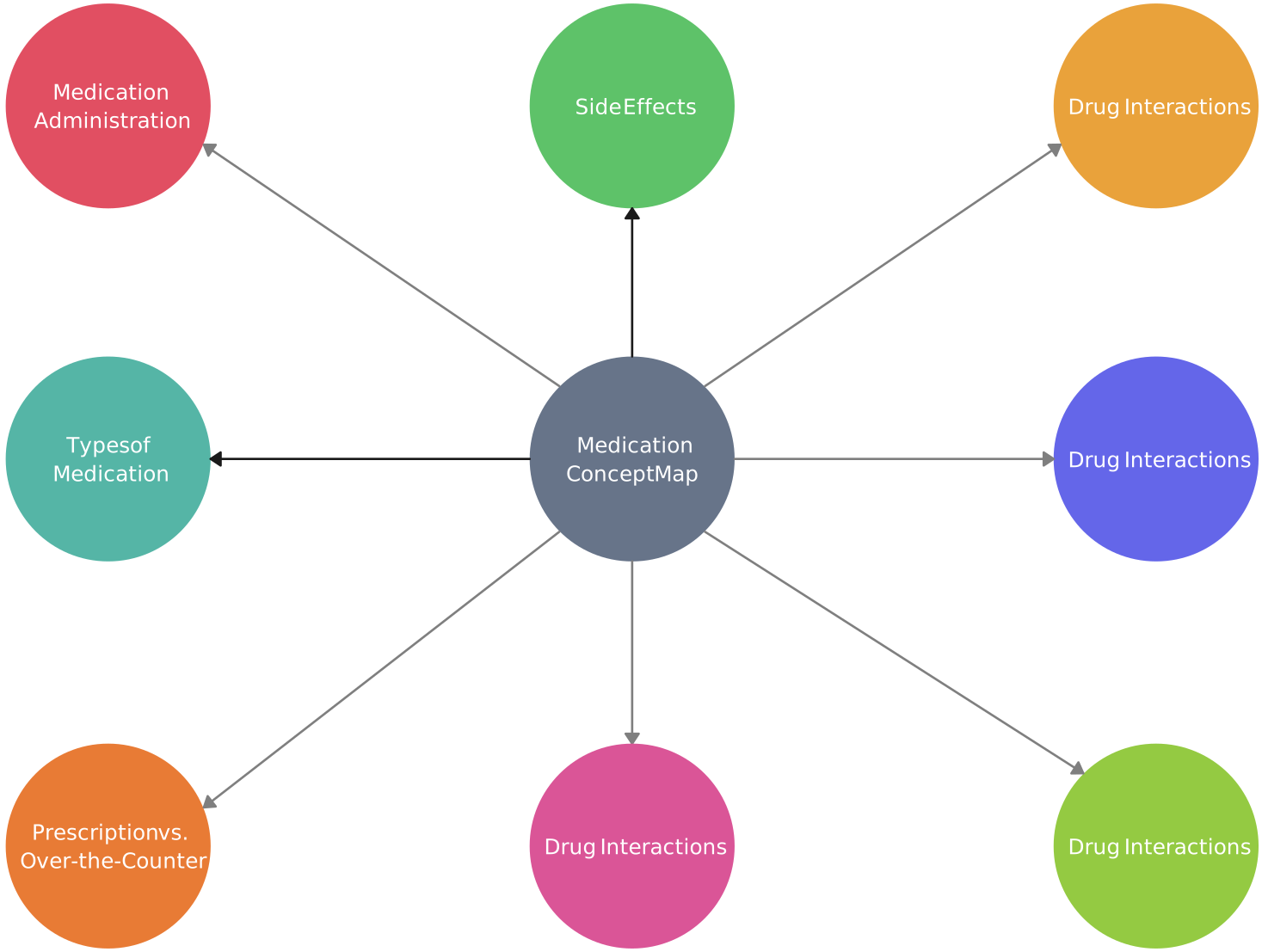
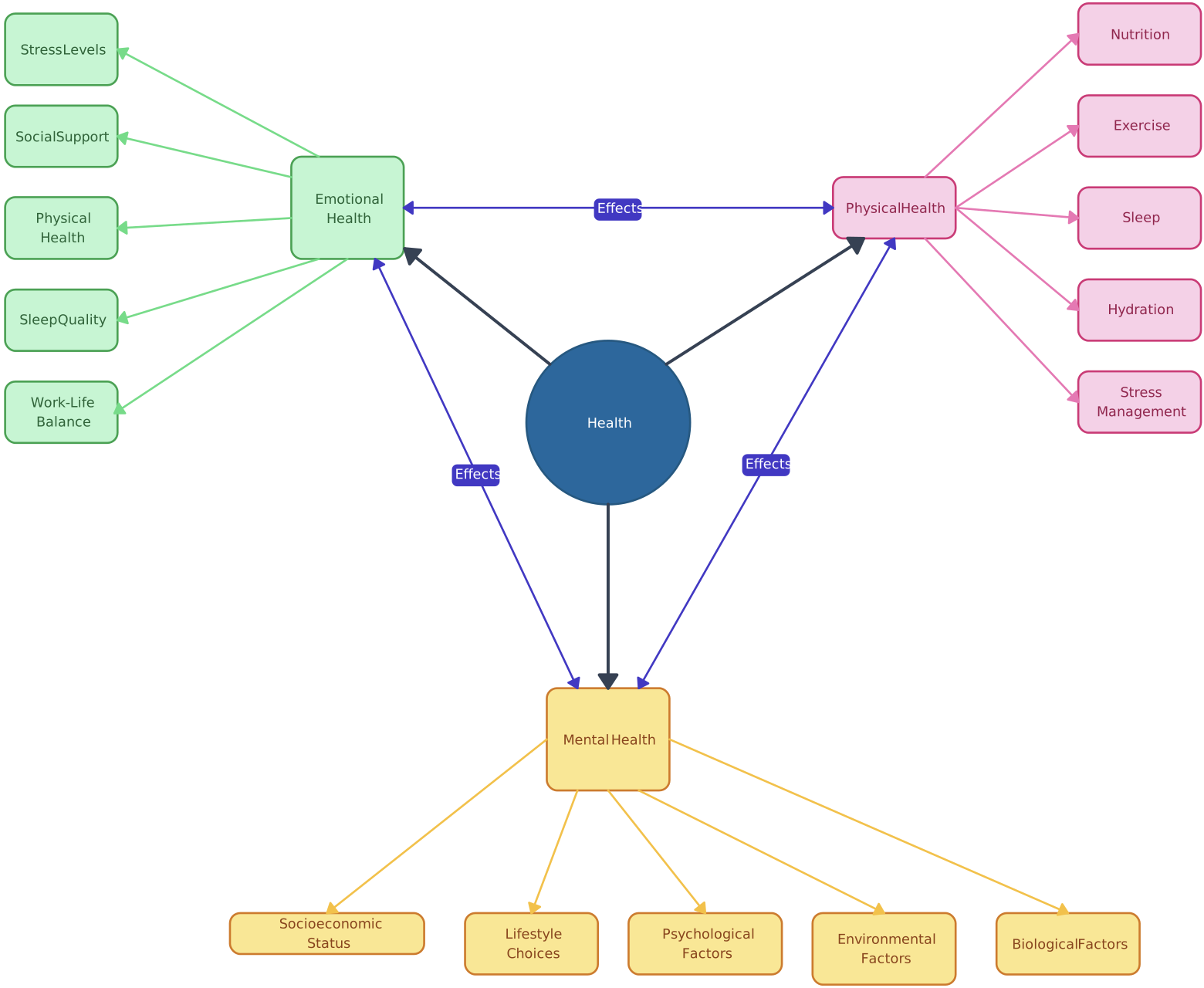
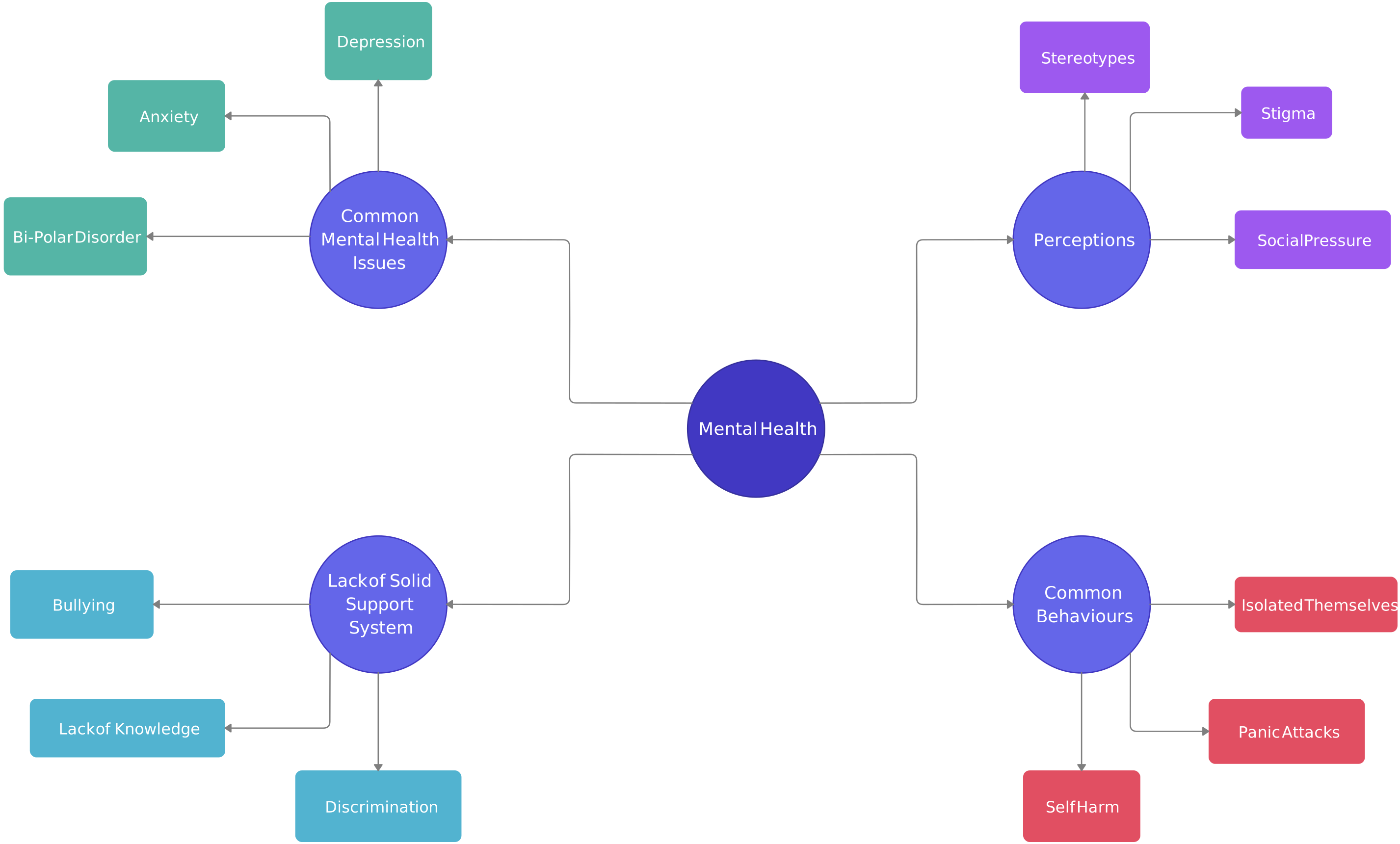
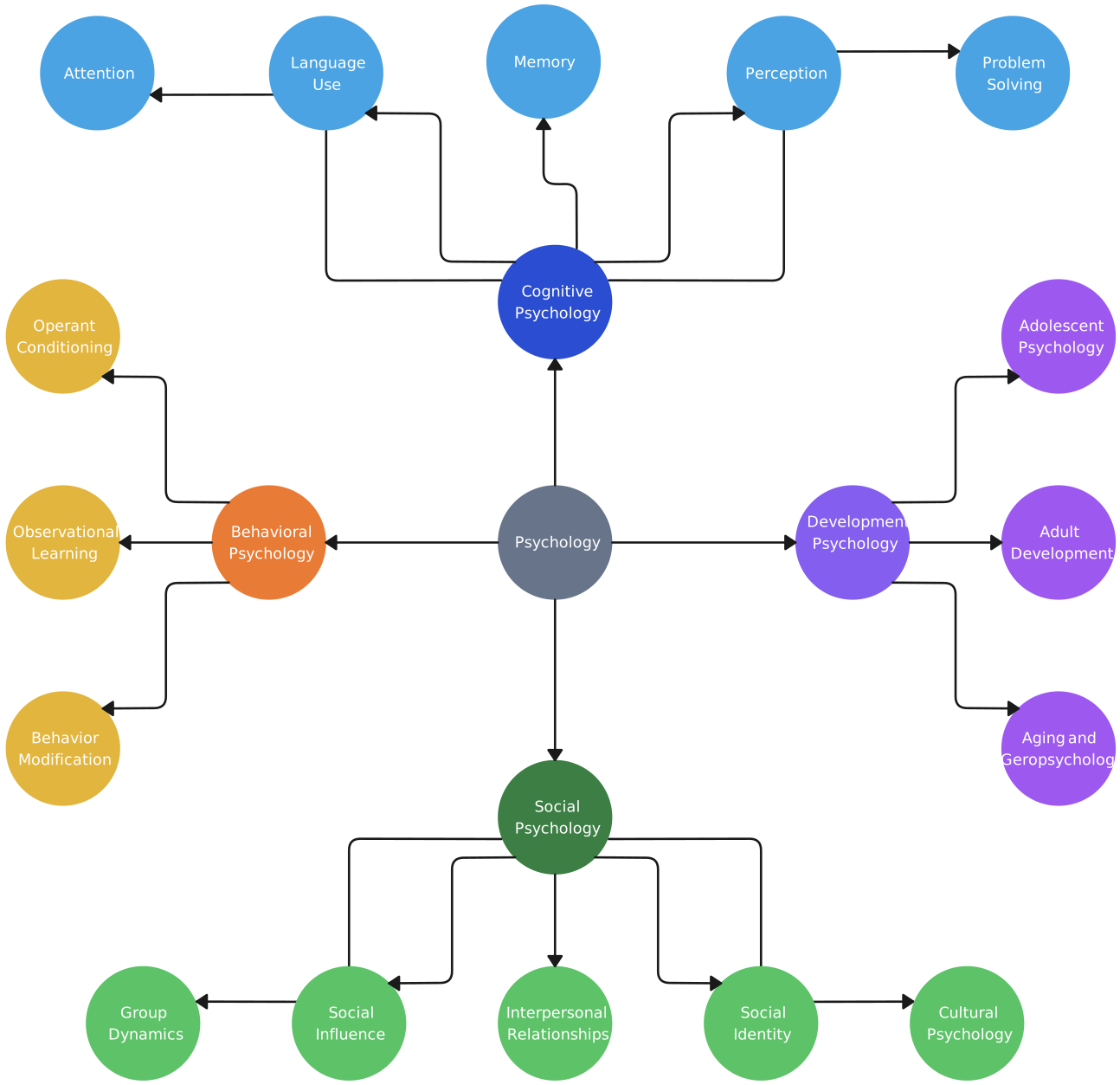
Mental health nursing concept maps outline key aspects of psychiatric conditions, including depression, anxiety, schizophrenia, and bipolar disorder. These templates help nurses plan patient-centered interventions and therapeutic approaches.
Nursing Concept Map Templates for Anatomy
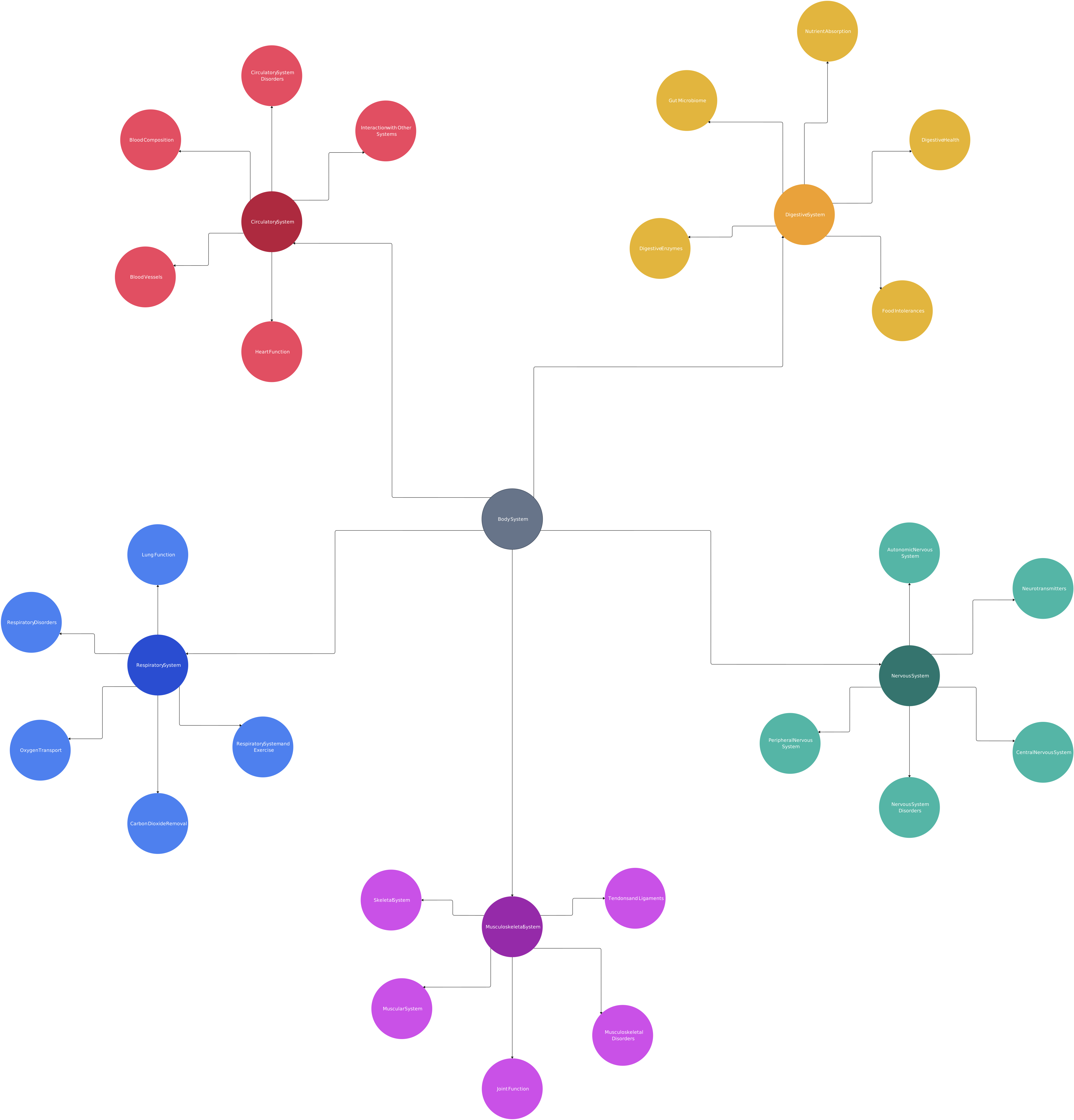
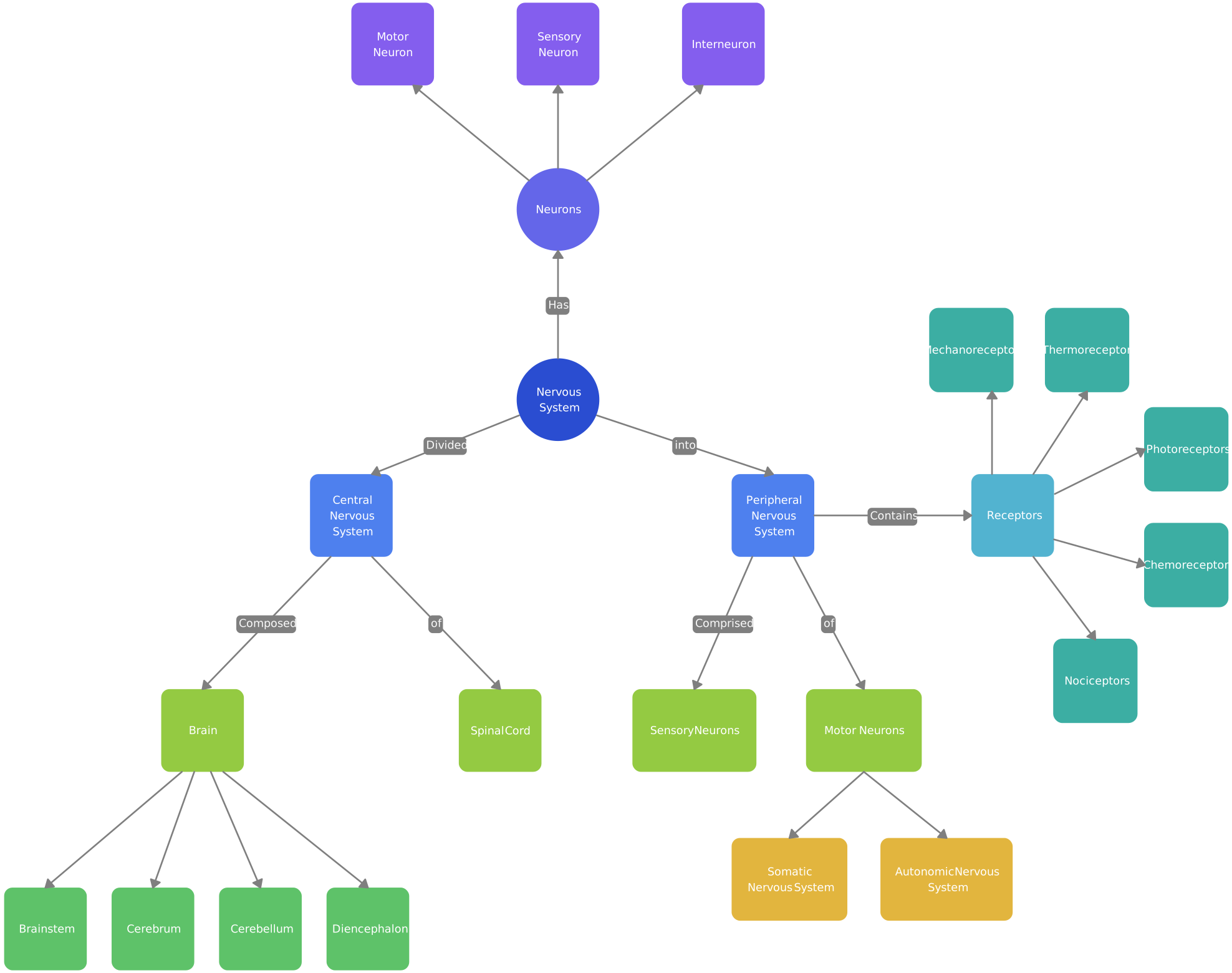
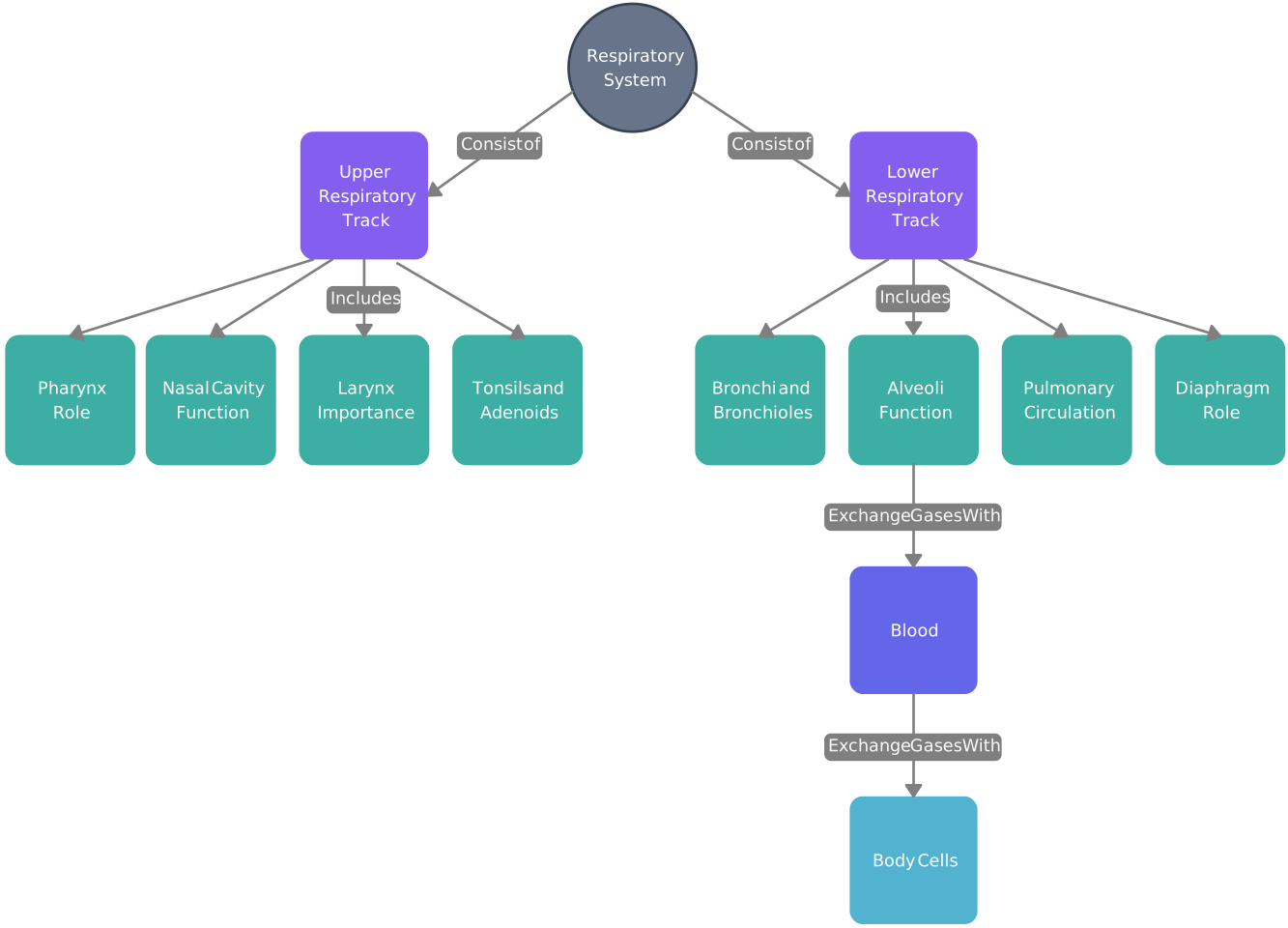
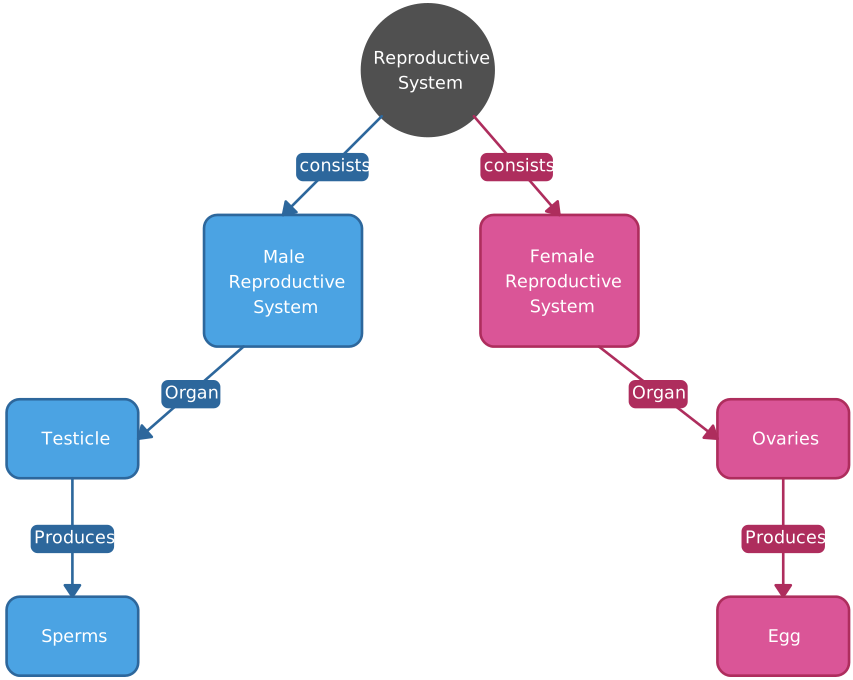
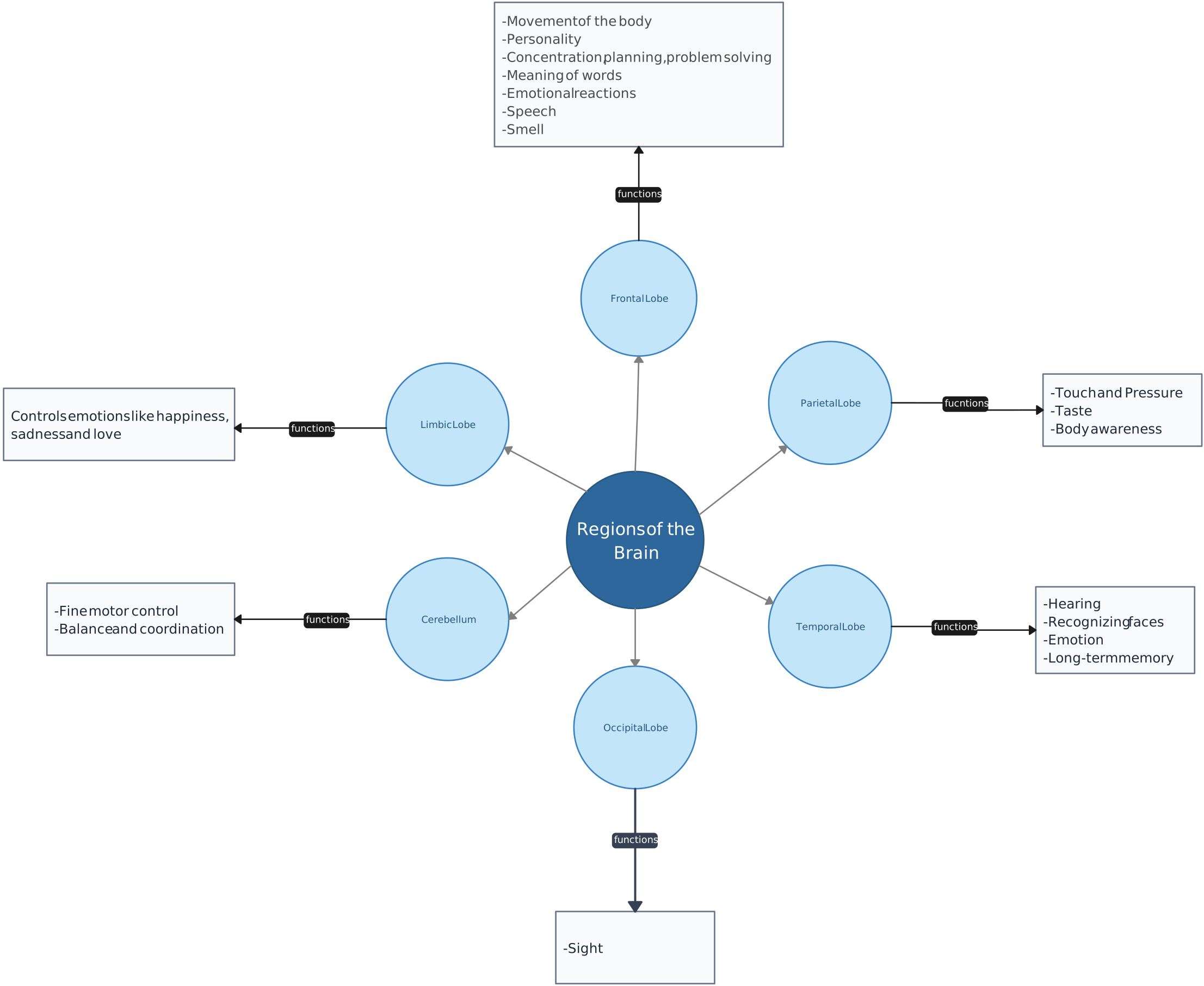
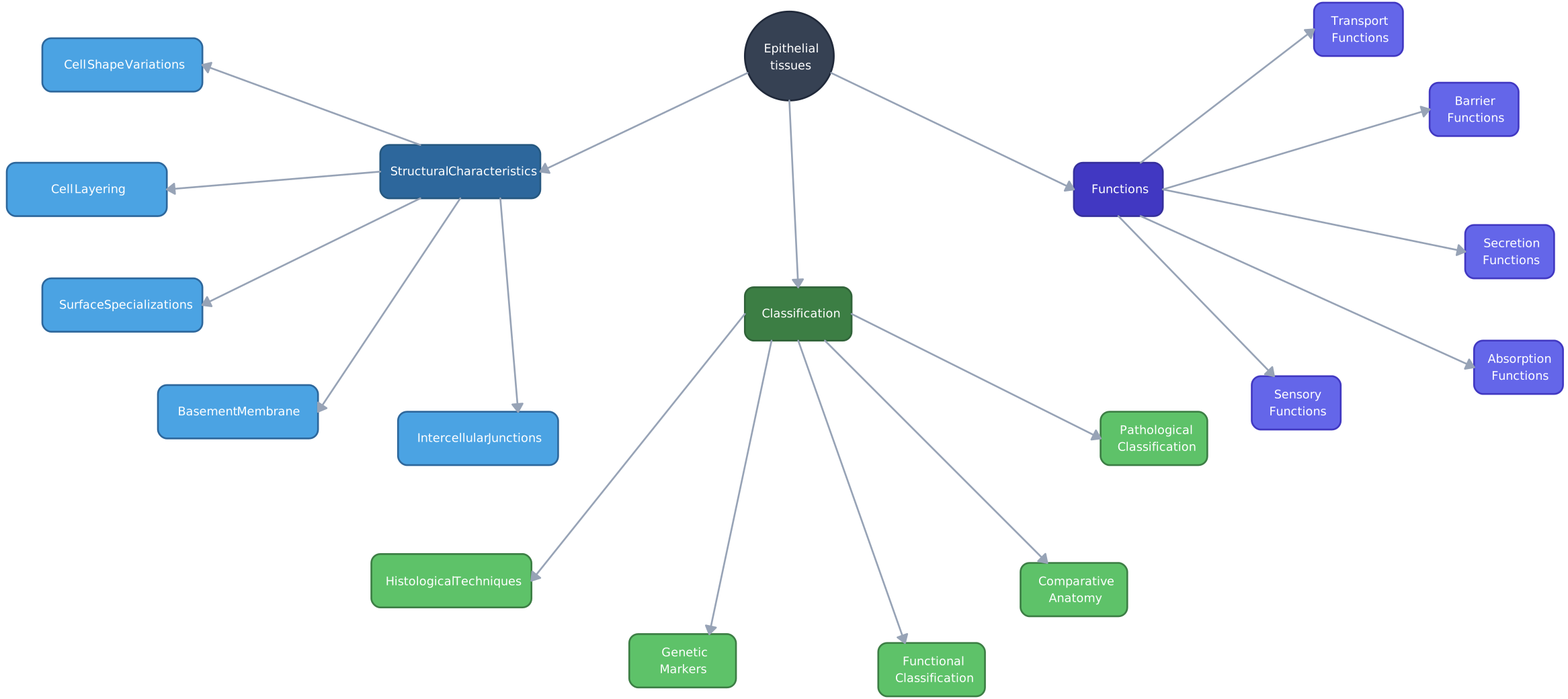
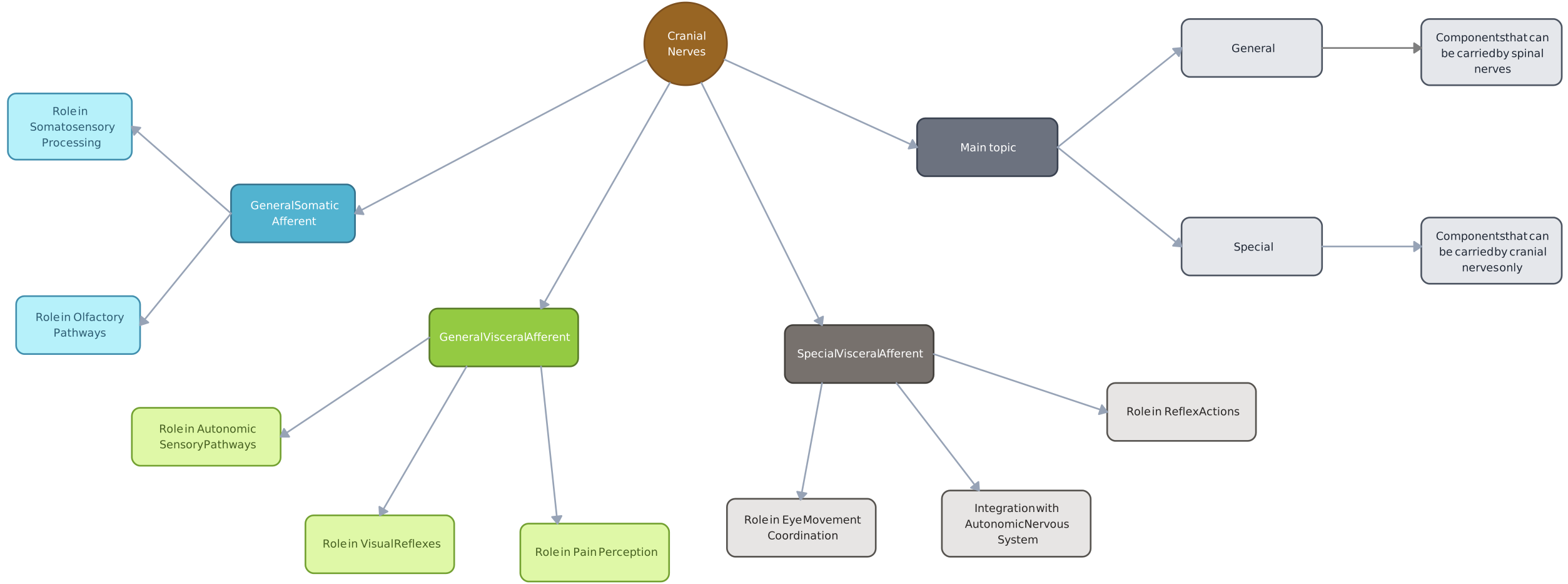
Anatomy-focused nursing concept map templates help nursing students and professionals understand the human body’s structure and functions. These templates cover key systems such as the cardiovascular, respiratory, nervous, and musculoskeletal systems.



Nutrition-Related Nursing Concept Maps
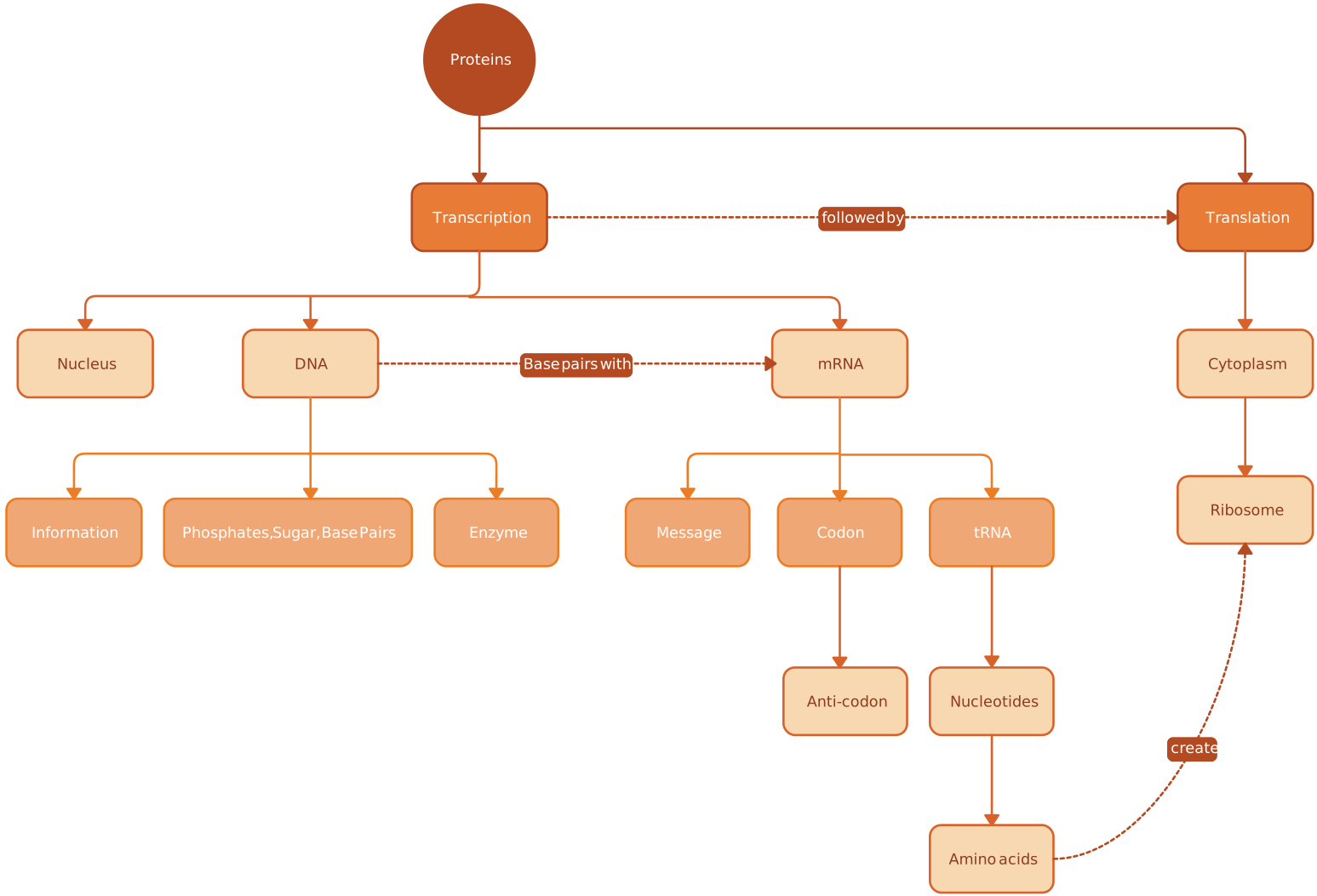
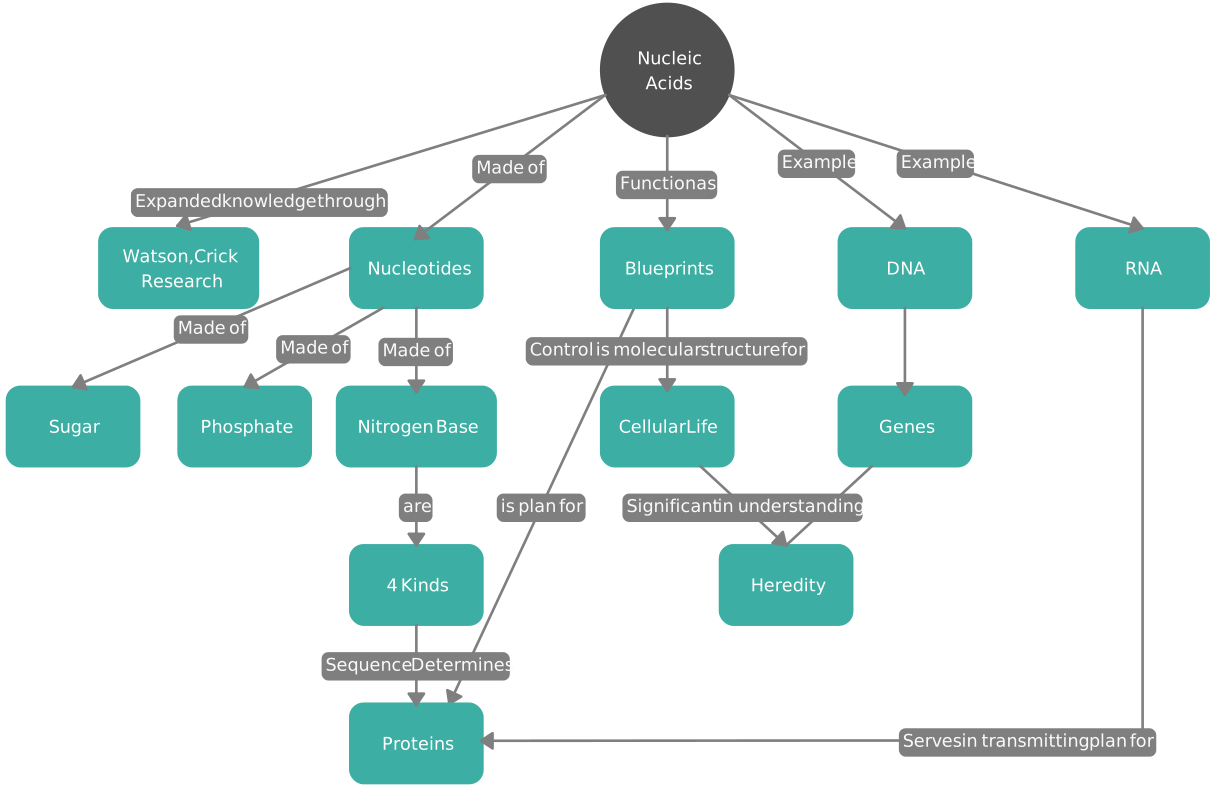
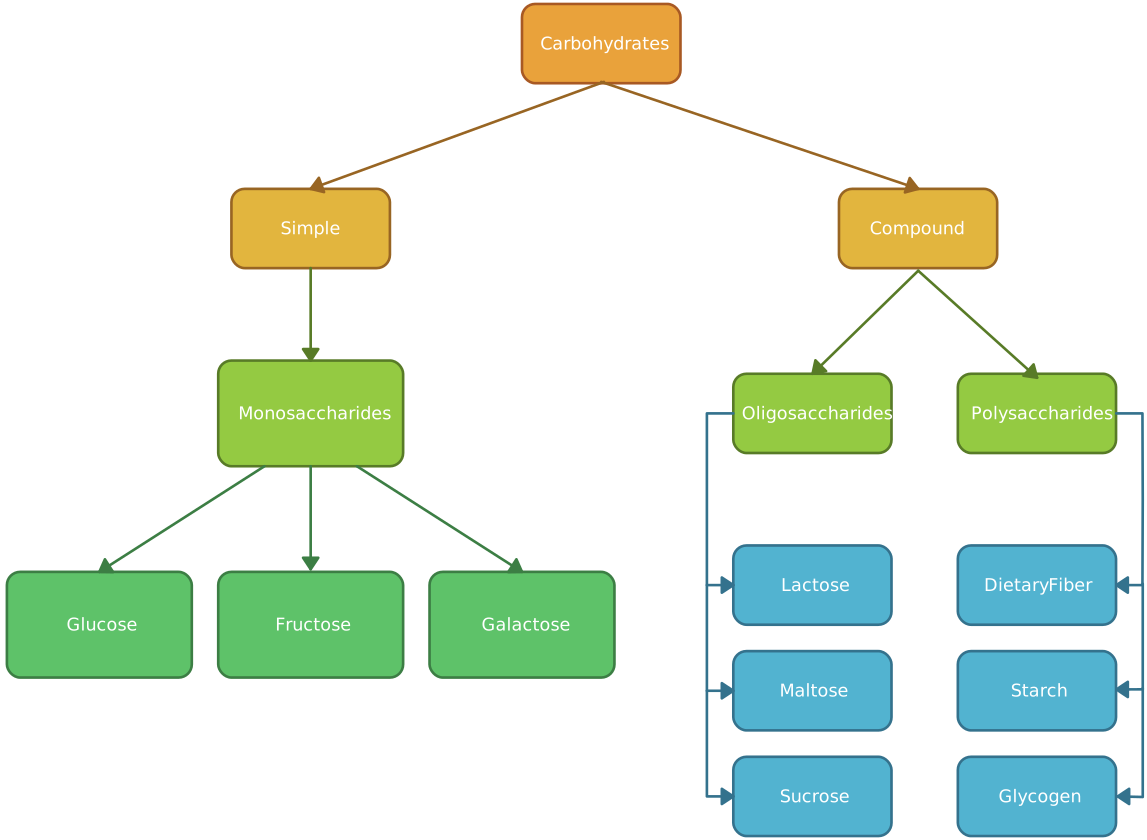
These nutrition-related nursing concept maps help nurses assess dietary needs, nutritional deficiencies, and patient meal planning. They cover topics like malnutrition, enteral feeding, diabetic meal plans, and essential nutrients for patient care.

FAQs About Nursing Concept Maps
How do concept maps help in nursing care planning?
Can concept maps be used for collaborative nursing care?
Are there any online tools available to create Nursing Concept Maps?
Resources:
Daley, B.J., Morgan, S. and Black, S.B. (2016). Concept Maps in Nursing Education: A Historical Literature Review and Research Directions. Journal of Nursing Education, 55(11), pp.631–639. doi:https://doi.org/10.3928/01484834-20161011-05.
Harrison, S. and Gibbons, C. (2013). Nursing Student Perceptions of Concept Maps: From Theory to Practice. Nursing Education Perspectives, 34(6), pp.395–399. doi:https://doi.org/10.5480/10-465.
Hsu, L. and Hsieh, S.-I. (2005). Concept Maps as an Assessment Tool in a Nursing Course. Journal of Professional Nursing, 21(3), pp.141–149. doi:https://doi.org/10.1016/j.profnurs.2005.04.006.