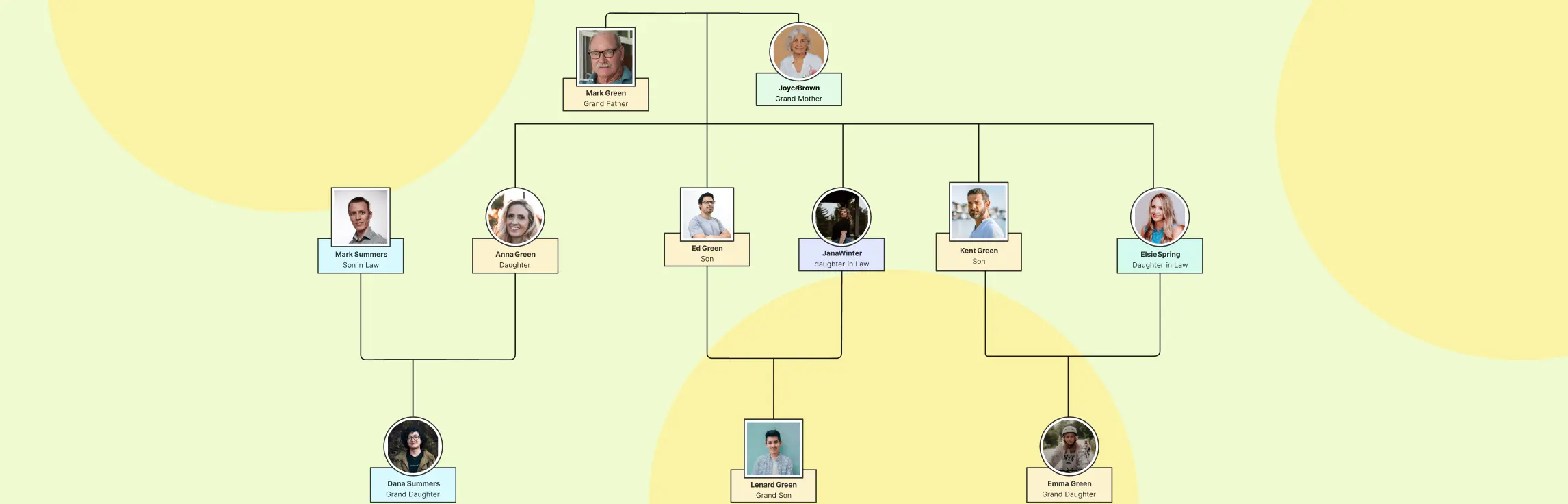
A family genogram goes beyond a traditional family tree by visually mapping relationships, health patterns, and emotional dynamics across generations. This guide explains what a family genogram is, how to create one step by step, and its practical uses in therapy, education, and healthcare. It also highlights the key benefits of building a genogram and introduces Creately as a simple, effective platform for designing your own.
Family Genogram Definition
A family genogram is a powerful visual tool that captures the deeper layers of family history and dynamics. It offers rich insights into the emotional and social fabric of the family, helping individuals understand how generational influences shape present-day behaviors and relationships. Think of a family genogram as a dynamic diagram that helps identify recurring themes within a family, such as mental health challenges, inherited conditions, or relationship struggles. By highlighting these patterns, it becomes an essential resource for professionals in social work, counseling, and healthcare, and a valuable tool for anyone exploring their personal history.
Family Genograms Templates with Explanation
Below are a few templates of family genograms with explanations, each tailored to different use cases—showing how these diagrams go beyond names and dates to uncover deeper family insights.
1. Simple Family Genogram Templates
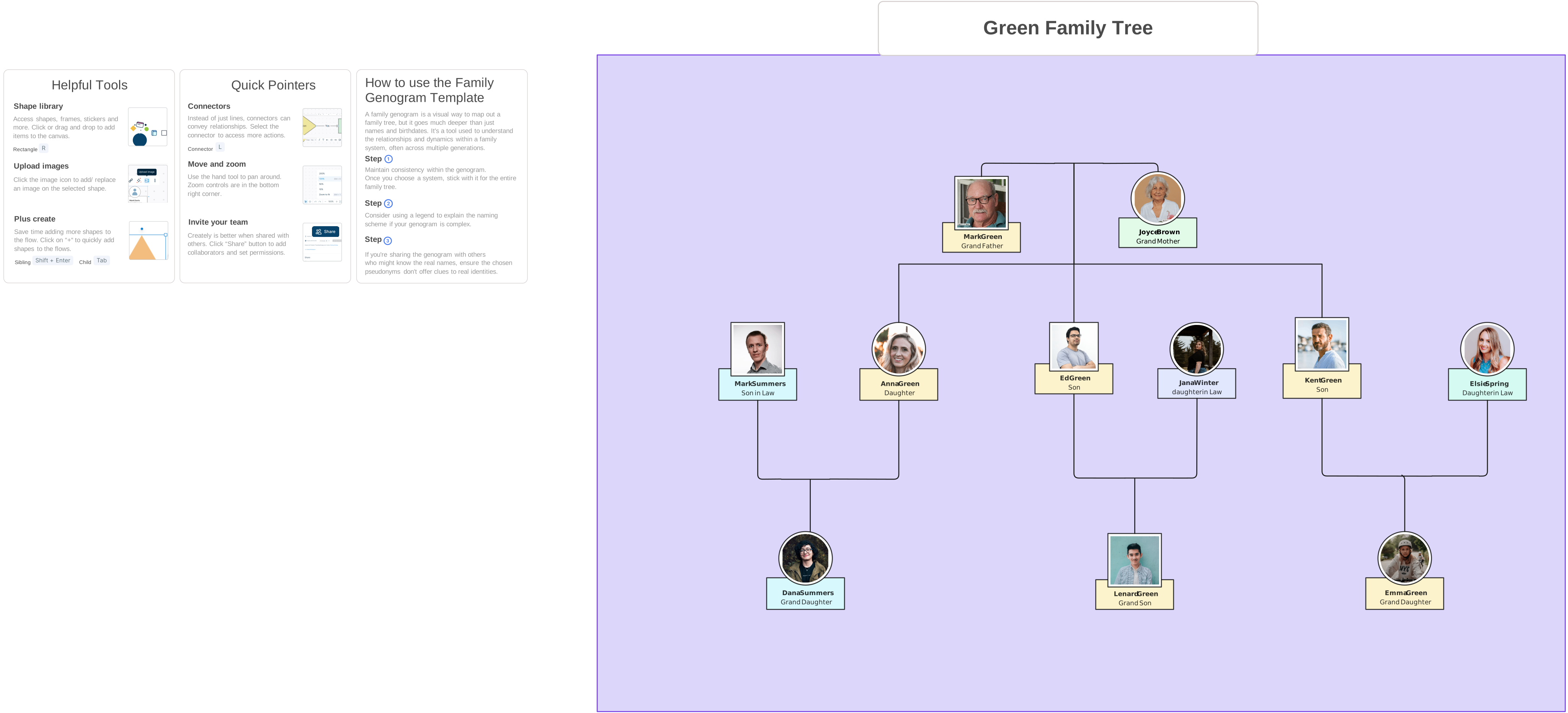
A simple family genogram might consist of three generations, showing basic information like names, birth years, and marital status. For example, grandparents are shown at the top with children, and their children with spouses. This can go back to many generations helping to discover family stories.
This genogram helps visualize immediate family connections and is often used as a starting point in therapy or school assignments to map out lineage and identify basic patterns.


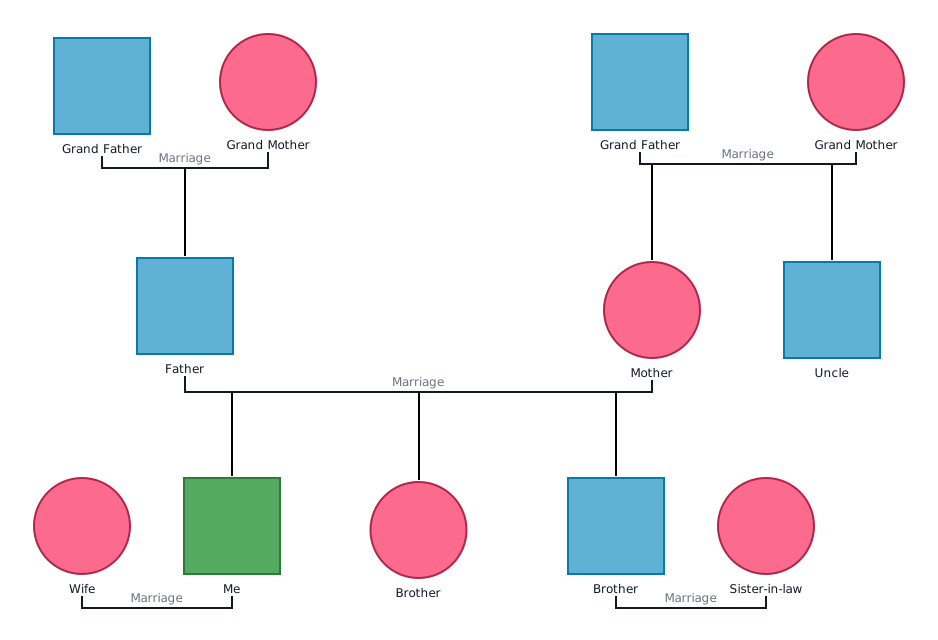
2. Three-Generation Family Genogram Templates
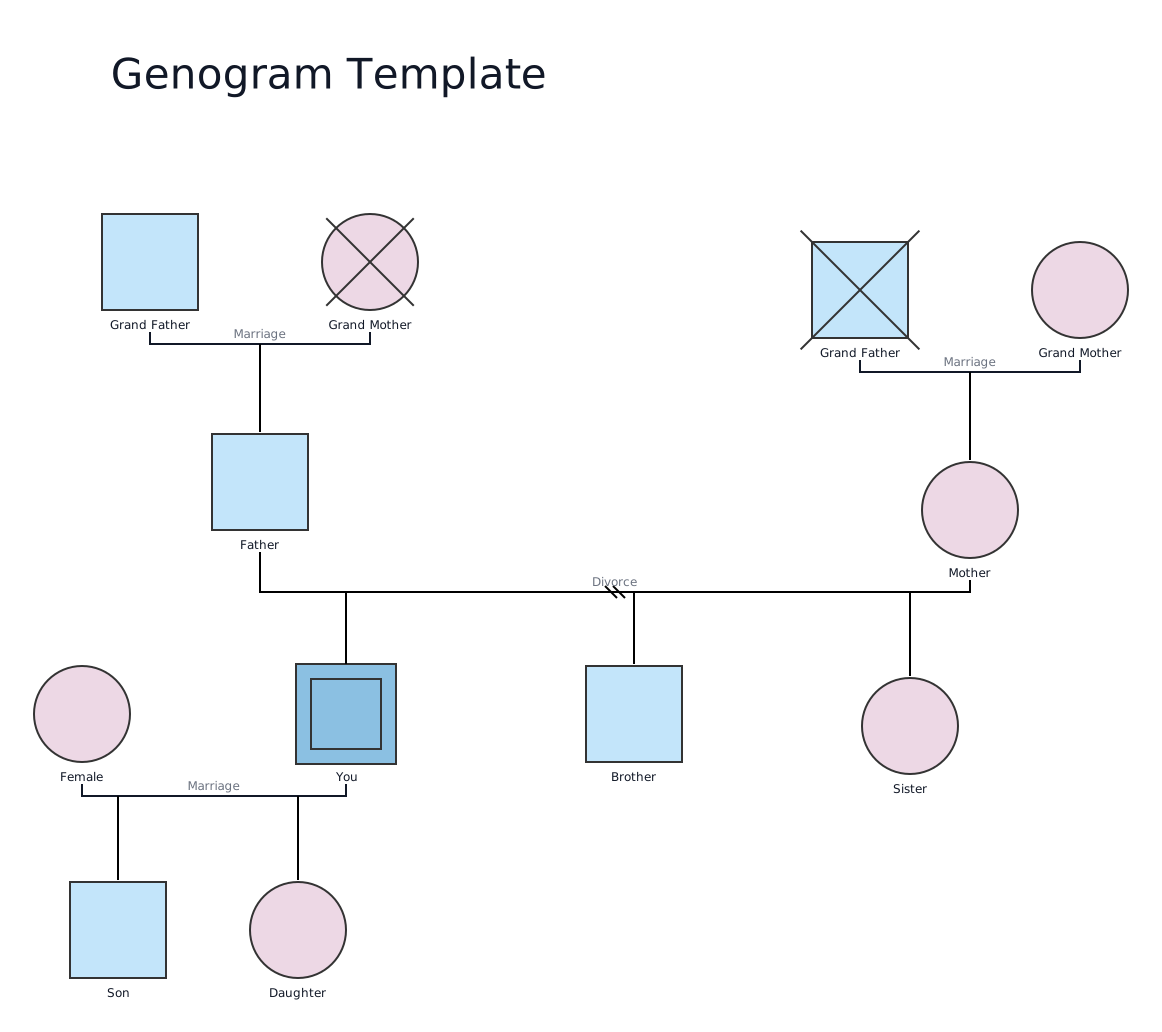
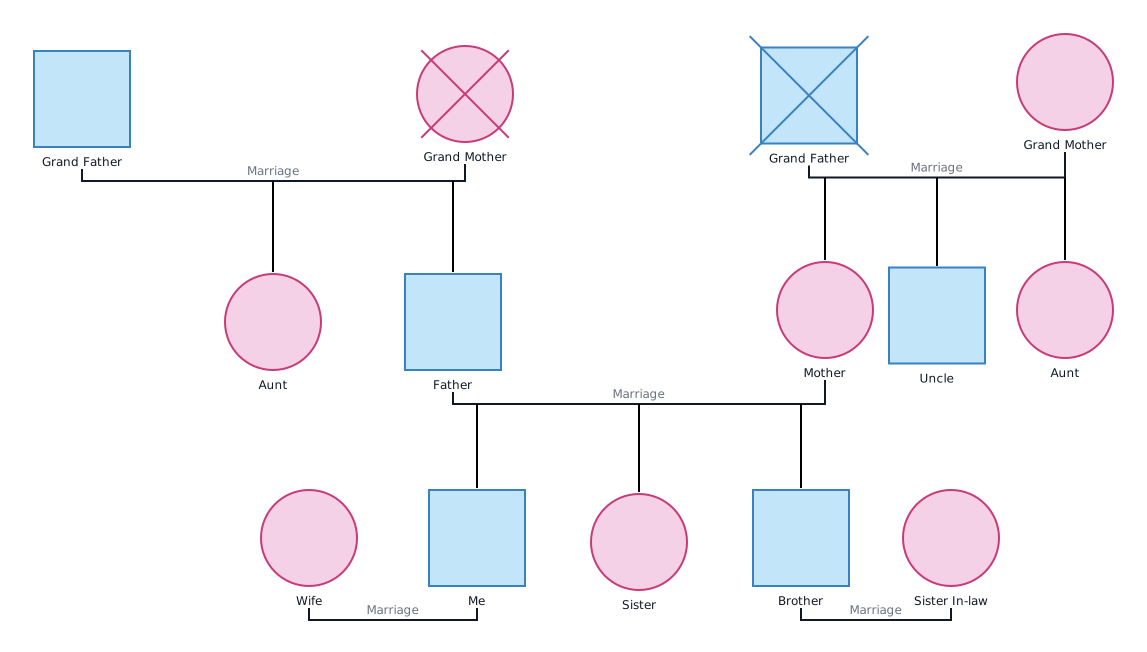
A three-generation family genogram is one of the most common and insightful formats. It includes grandparents, parents, and children, giving a broader view of familial patterns and inherited traits.
A family genogram covering three generations is ideal for identifying long-standing patterns, such as generational health issues, emotional dynamics, or recurring behavioral themes. It’s widely used in therapy, education, and medical consultations to provide a holistic view of family influences.
3. Medical Genogram Templates
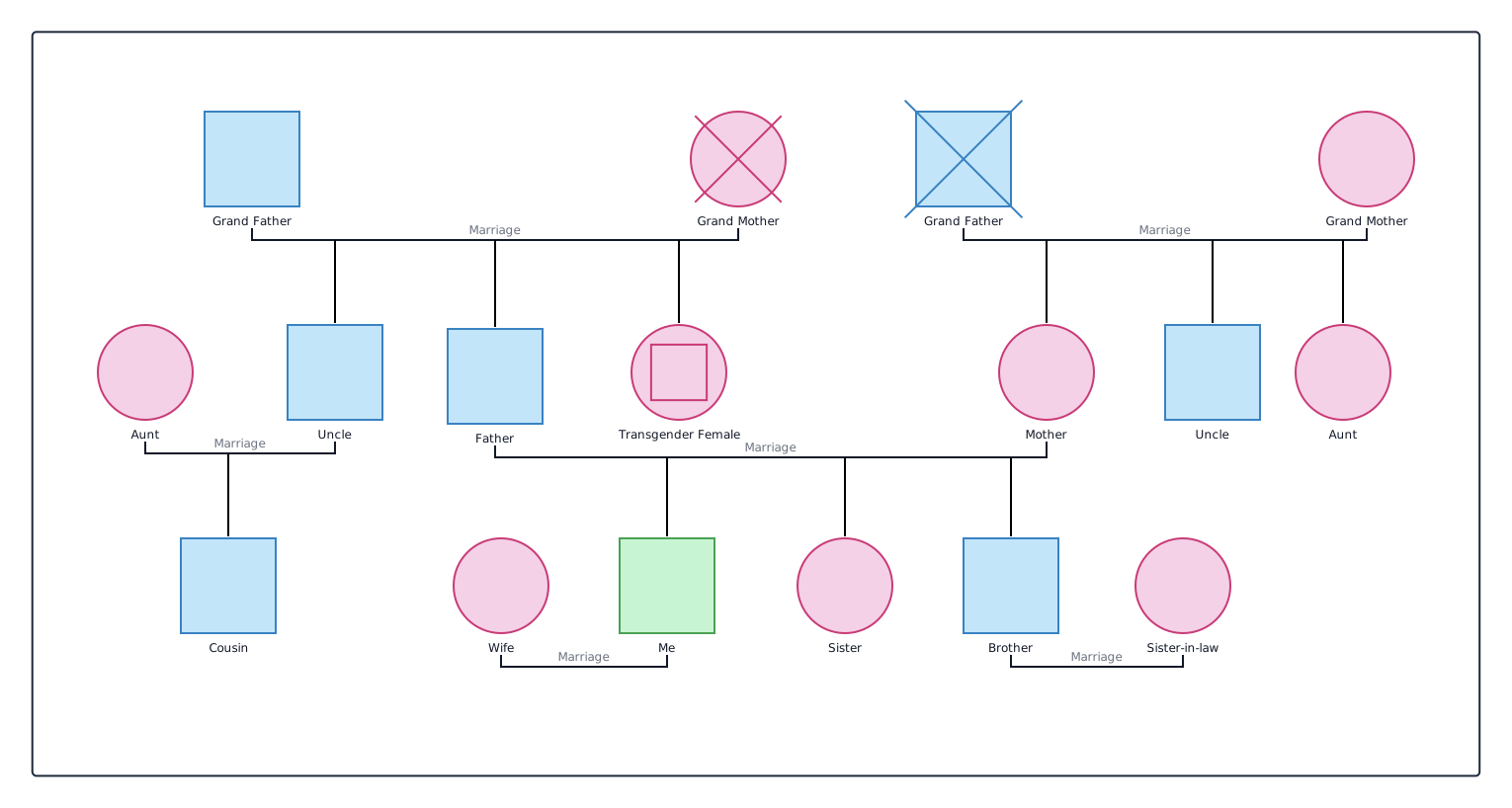
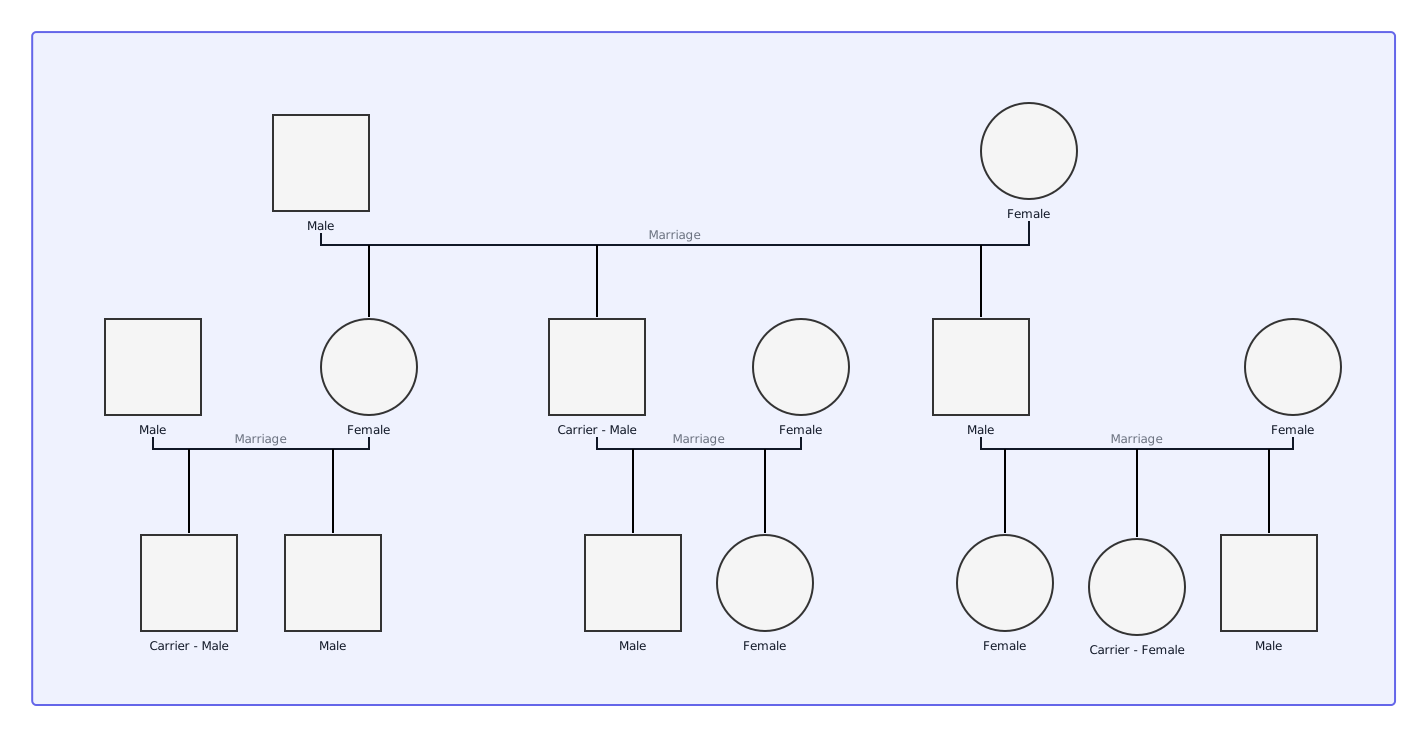
In a medical family genogram, health conditions are added to each individual. For example, heart disease may appear in multiple family members on the paternal side. By visualizing this pattern, a healthcare provider can assess hereditary risks and recommend early preventive care.
This type of genogram is especially useful for understanding the inheritance of diseases like diabetes, cancer, or mental health disorders.
4. Emotional Relationship Genogram Templates
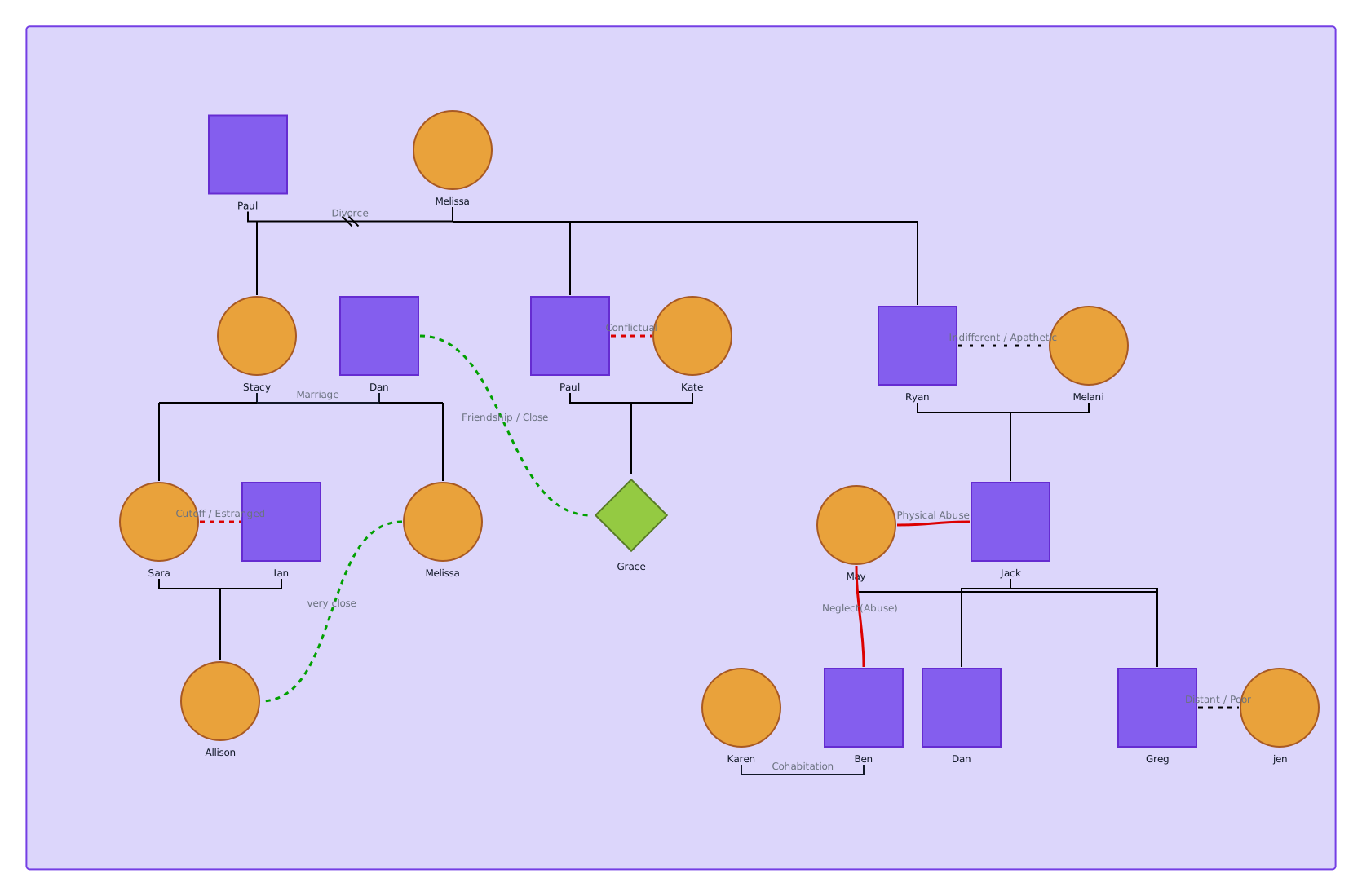
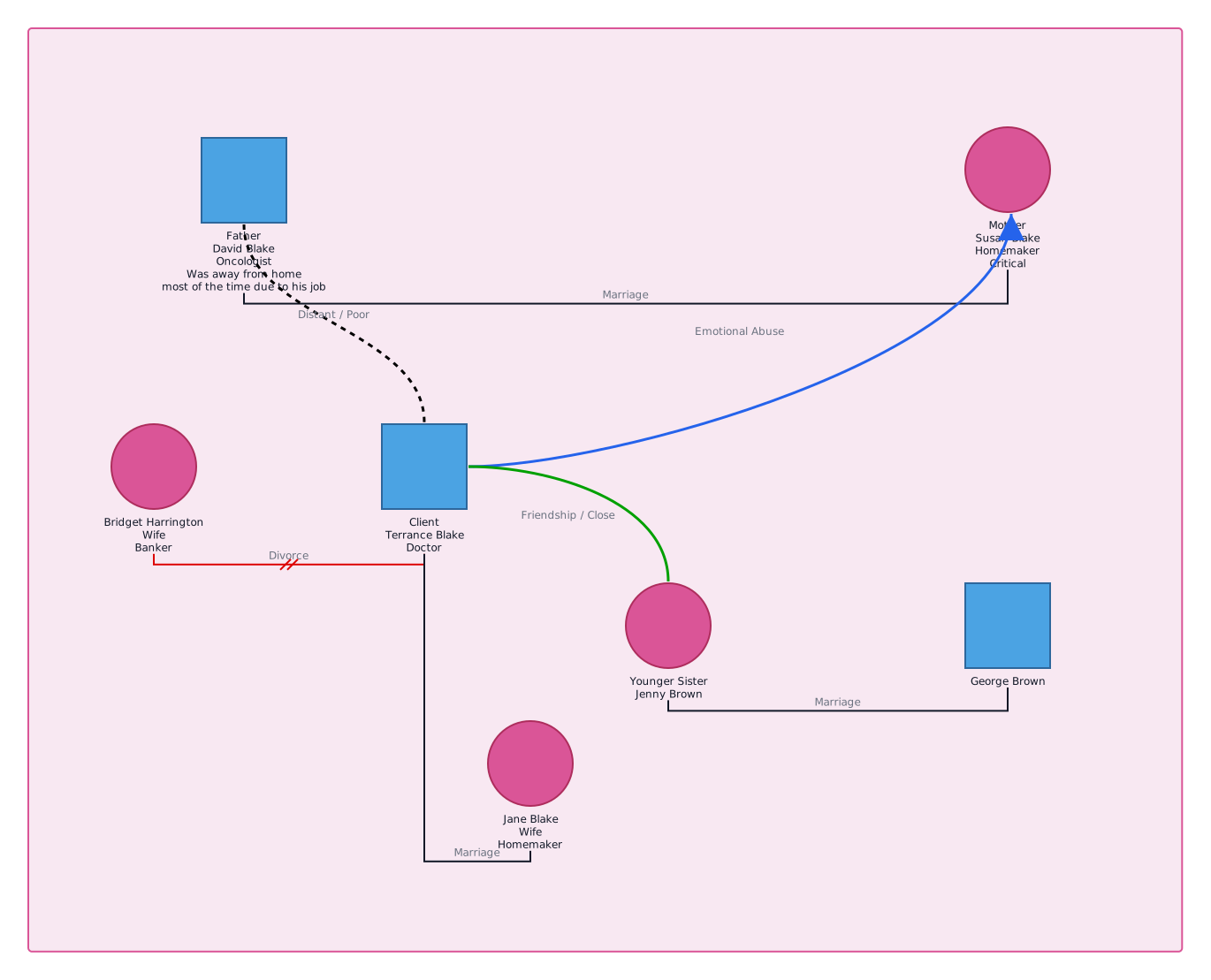
An emotional family genogram shows the quality of relationships using different lines and symbols. For instance, an individual may have a close bond with their mother but a conflicted or distant relationship with their father. Conflict lines, cut-off indicators, and alliance markings help depict this emotional landscape.
Therapists use emotional genograms to identify patterns such as enmeshment, unresolved trauma, or recurring conflicts passed through generations.
5. Career Genogram Templates
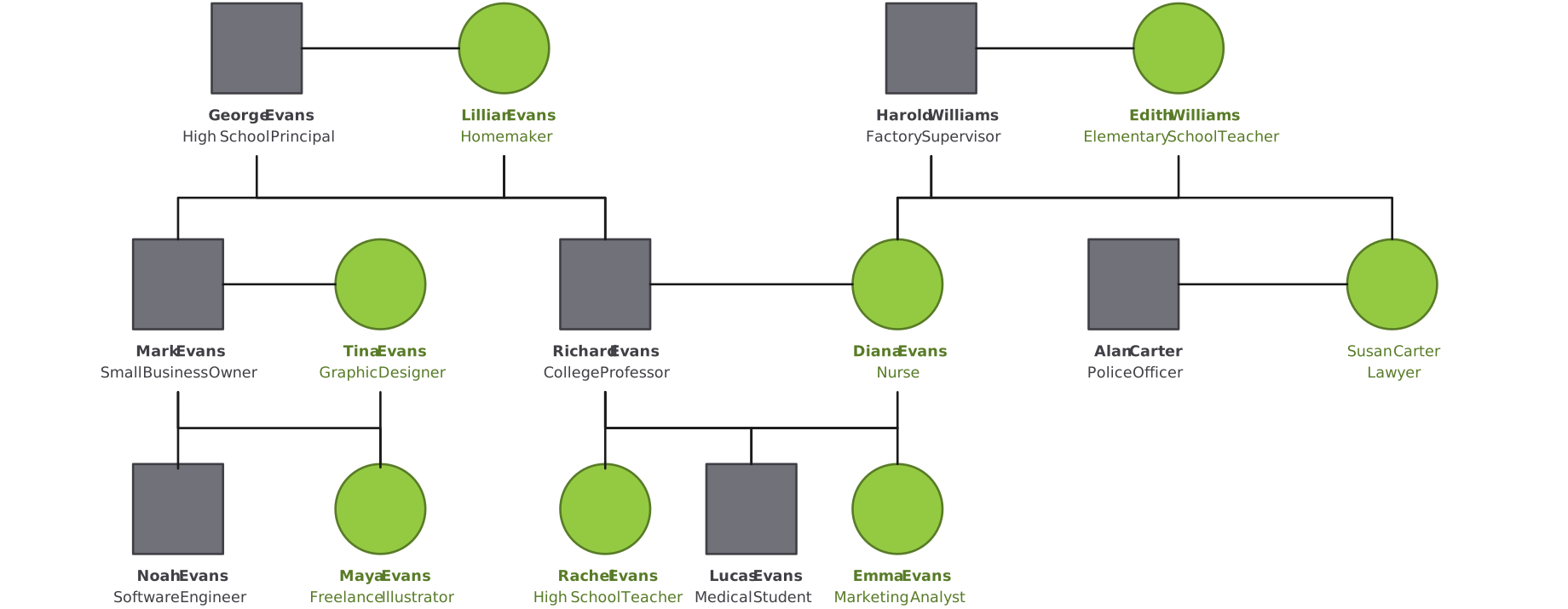
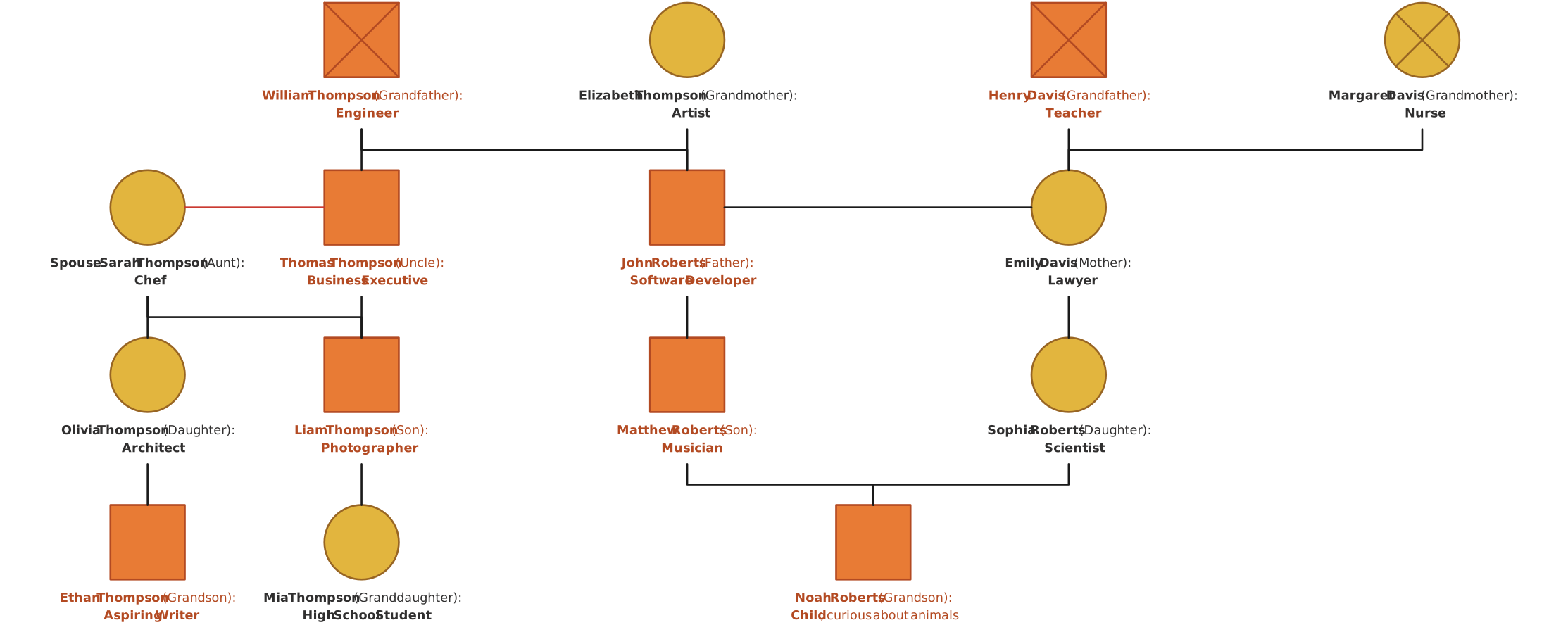
In a career family genogram, the professional paths of each family member are tracked—showing, for instance, that three generations worked in education, while a recent shift toward entrepreneurship appears in the youngest generation.
This is a useful tool in career counseling, helping individuals explore inherited career influences and make more conscious career choices.
6. Spiritual Genogram Templates
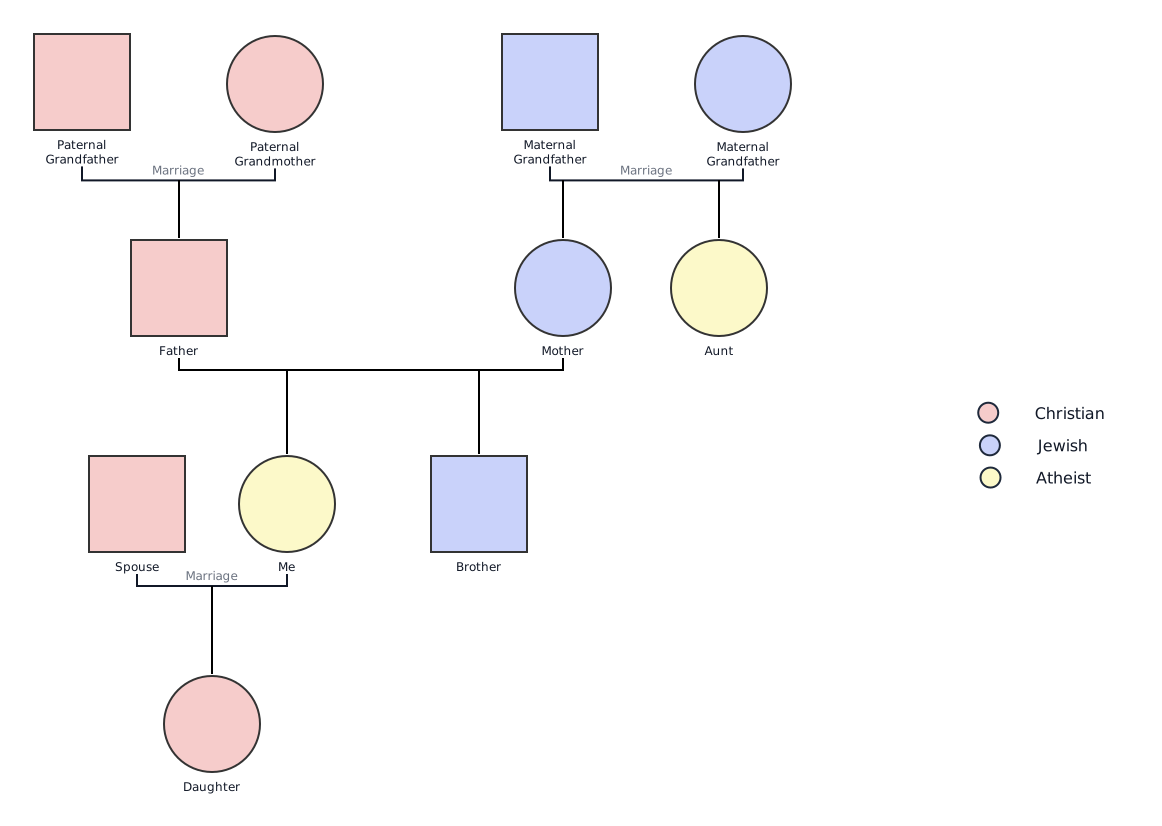
A spiritual family genogram maps the religious beliefs, values, and spiritual practices of family members across generations. For example, grandparents may have followed Catholic traditions, while their children transitioned to non-denominational Christianity or explored other spiritual paths such as Buddhism or agnosticism.
This type of family genogram is often used in counseling, ministry, and spiritual direction to explore how spiritual beliefs influence personal identity, family traditions, and even generational conflict or harmony. It helps individuals understand how spiritual values are transmitted (or resisted) through generations and how that impacts their current worldview.
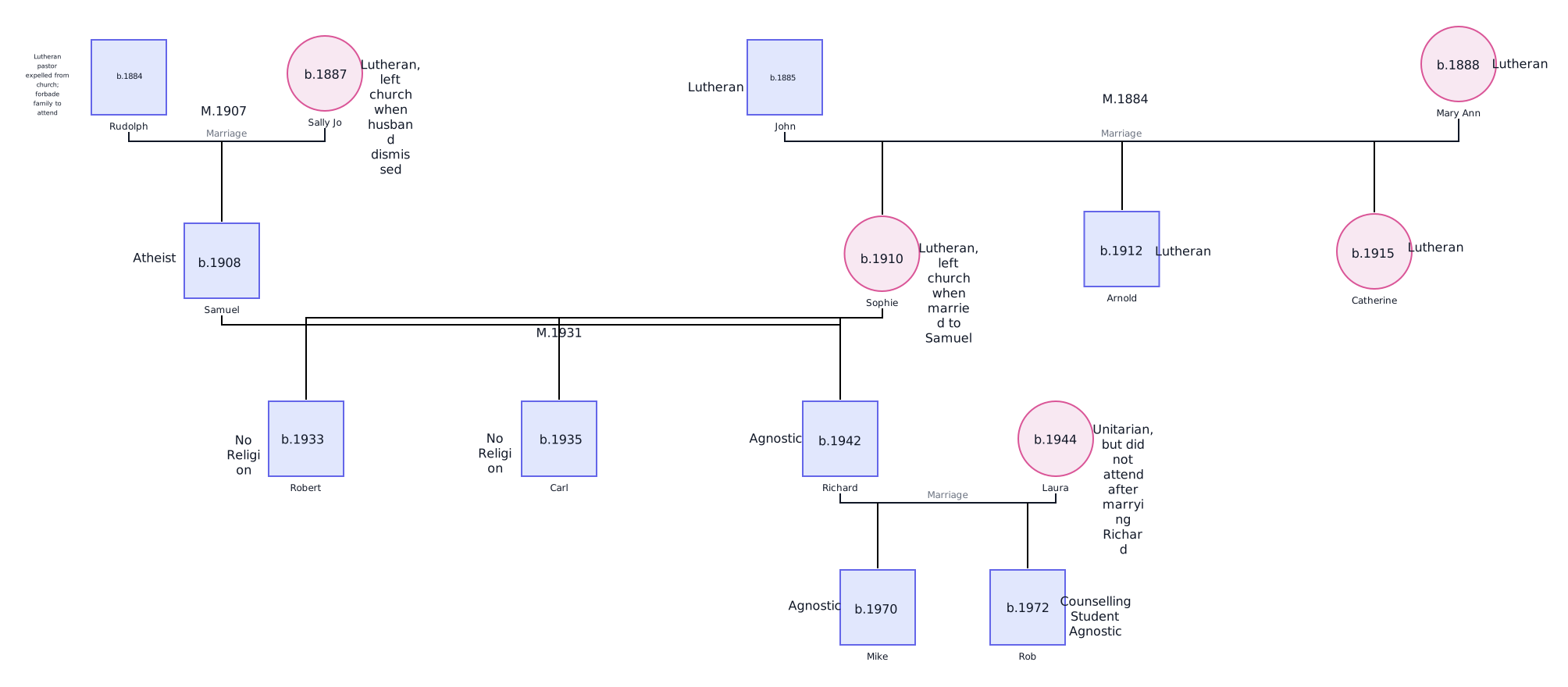
These templates demonstrate that a family genogram isn’t just a chart—it’s a powerful visual narrative that uncovers patterns, connections, and influences that often go unnoticed. Whether used for medical, emotional, or professional insights, genograms provide a clearer understanding of how our family histories shape us.
How to Create a Family Genogram
Creating a family genogram may seem complex at first, but with the right steps and tools, it becomes an insightful and even enjoyable process. Whether you’re using it for therapy, medical history, or personal exploration, here’s how to create a family genogram that’s accurate and meaningful.
Step 1. Gather Detailed Family Information
Start by collecting essential data about your family members. This includes:
- Full names
- Birth and death dates
- Marriage and divorce details
- Career paths
- Known medical conditions
- Emotional relationships (e.g., conflict, closeness, estrangement)
Step 2. Choose a Family Genogram Template
Select a family genogram template that suits the purpose of your diagram. Creately offers AI-text to genogram generation options and customizable templates for different types of genograms, whether you’re focused on medical, emotional, cultural, or career-based histories. A good template helps you structure your diagram clearly and saves time.
Step 3. Plot Family Members Using Standard Genogram Symbols
Start plotting from the oldest generation downward. Use universal family genogram symbols:
- Squares for males
- Circles for females
- Horizontal lines to indicate marriage or partnerships
- Vertical lines descending to children
Step 4. Indicate Relationships and Dynamics
Now, draw connections between individuals to represent various relationships. Use different line styles to show:
- Solid lines for strong bonds or marriages
- Dotted lines for separations or divorces
- Zig-zag or jagged lines to indicate conflict, abuse, or emotional strain
Step 5. Annotate Patterns and Key Traits
Add notes or symbols to highlight recurring traits, such as:
- Repeated medical conditions like heart disease or diabetes
- Common career paths across generations
- Emotional patterns, such as cycles of estrangement or trauma
Step 6. Review, Collaborate, and Finalize
Once your family genogram is built, review it for accuracy. Creately’s real-time collaboration tools make it easy to involve family members or professionals for additional input. Sharing the diagram can surface new stories, corrections, or missing details.
Uses of A Family Genogram
Family Genogram in Therapy - One of the most profound applications of the family genogram is in therapy and counseling. Mental health professionals and family therapists use genograms to identify intergenerational patterns that may contribute to a client’s psychological challenges.
Educational Uses of the Family Genogram - In education, the family genogram acts as a visual framework for exploring genealogy, cultural heritage, and social dynamics. Teachers and professors often use genograms in sociology, psychology, and anthropology courses to illustrate concepts such as family systems theory, role modeling, and hereditary behavior.
Family Genograms in Healthcare - In the medical field, family genograms—often referred to as medical genograms are vital for assessing hereditary health risks. By charting physical and mental health conditions across multiple generations, healthcare professionals can identify genetic patterns and high-risk individuals within a family.
Family Genograms in Social Work - In social work, family genograms provide a comprehensive view of a client’s support system and relational context. Caseworkers use them to map out living arrangements, custody issues, emotional relationships, and histories of trauma or neglect. These genograms in social work enable more targeted and informed intervention strategies, particularly in complex family situations.
Career Counseling with Family Genograms - Career counselors use career genograms to help individuals explore how familial influences may have shaped their professional aspirations and career paths. These genograms track employment history, fields of study, and job satisfaction across family generations.
Helpful Resources
Discover everything you need to know about genograms, from what they are, how to create a genogram, to how to understand what they mean.
Explore our collection of genogram templates.
Learn how different types of genograms can help visualize important aspects of life.
Explore the essential symbols used in genograms to represent everything from basic family structures to complex emotional and medical relationships.
Why Creately Is the Best Choice for Creating a Family Genogram
When it comes to creating a family genogram, the right tool can make the process faster, clearer, and more accurate. Creately helps you move beyond manually drawing family structures by combining AI-powered text-to-genogram generation, clinical genogram notation, structured fields, templates, collaboration, and export options in one workspace.
Whether you’re mapping family relationships for therapy, healthcare, social work, research, education, or personal discovery, Creately gives you the tools to build a detailed and meaningful family genogram.
AI-Powered Text-To-Genogram Generation
Creately lets you generate a starter genogram from a written family description, intake note, or case summary. The AI can identify clearly stated people, relationships, conditions, cultural heritage, dates, and other family details, giving you a faster starting point than building everything manually.
Once generated, the genogram remains fully editable, so you can refine relationships, add missing family members, update details, and customize the layout.
Clinical Genogram Symbols and Relationship Types
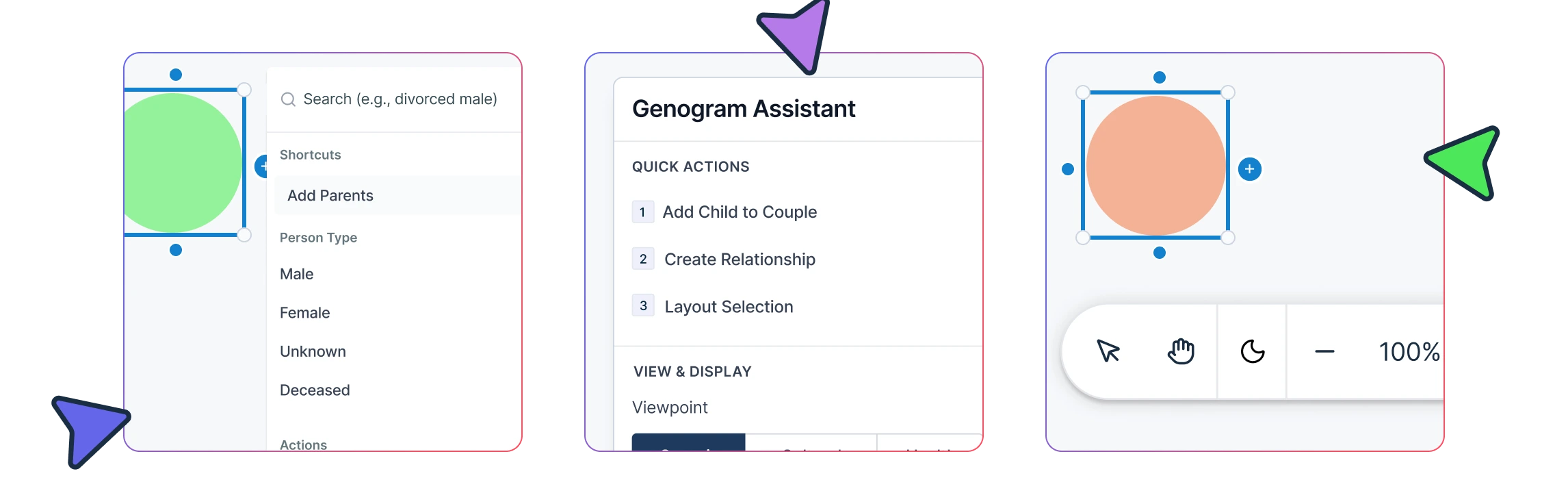
Creately supports person shapes following McGoldrick/Gerson notation, with 40+ auto-derived person shape variants and 71 relationship subtypes across 9 categories. This helps you represent family structures, partner relationships, parent-child connections, emotional dynamics, conflict, cutoff, abuse, foster relationships, adoptive relationships, step relationships, and more with clearer clinical notation.
Instead of manually recreating symbols and line styles, you can use built-in relationship types that visually encode important family dynamics.
Professionally Designed Genogram Templates
Creately offers ready-made genogram templates to help you start quickly. You can choose from blank, 2-generation, 3-generation, couple, and clinical framework templates, then customize the structure for therapy, education, healthcare, genealogy, research, or personal family mapping.
Templates give you a structured starting point while still allowing you to edit family members, relationships, notes, fields, and visual styles.
Structured Field Packs for Family Data
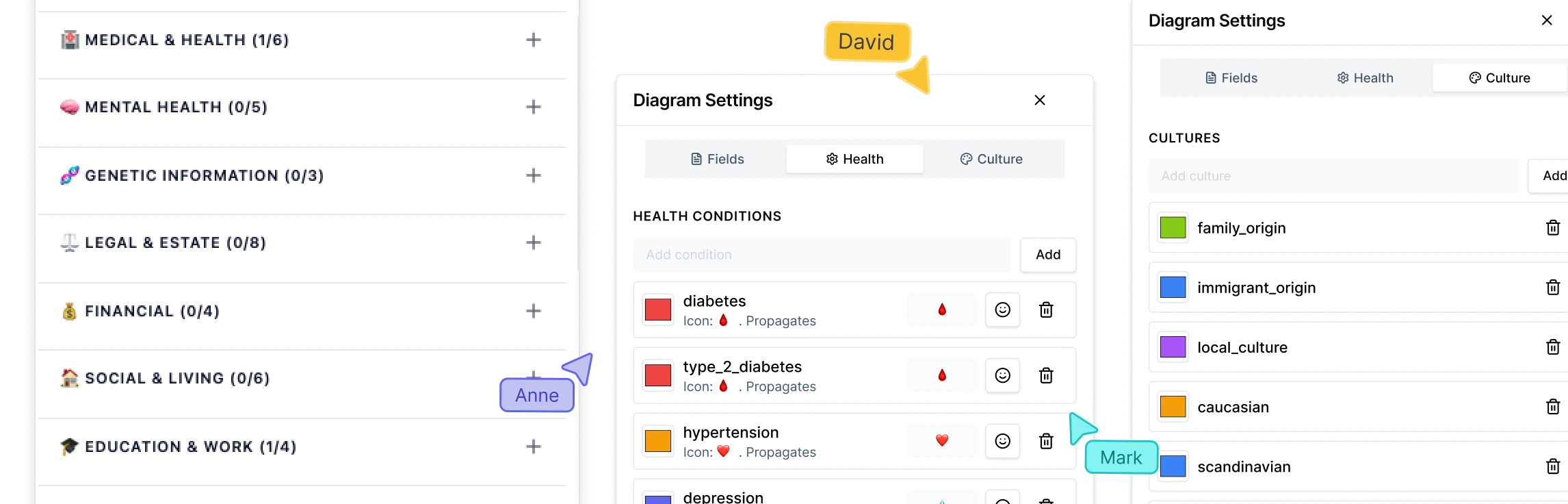
A family genogram often needs more than names and relationships. Creately’s field packs help you record structured details for different use cases, including medical and genetic history, family therapy, social work, legal and estate planning, research, and general family information.
You can capture details such as health conditions, cultural heritage, trauma history, attachment styles, risk factors, consent status, legal roles, sources, and other important context without cluttering the visual diagram.
View Modes for Pattern Recognition
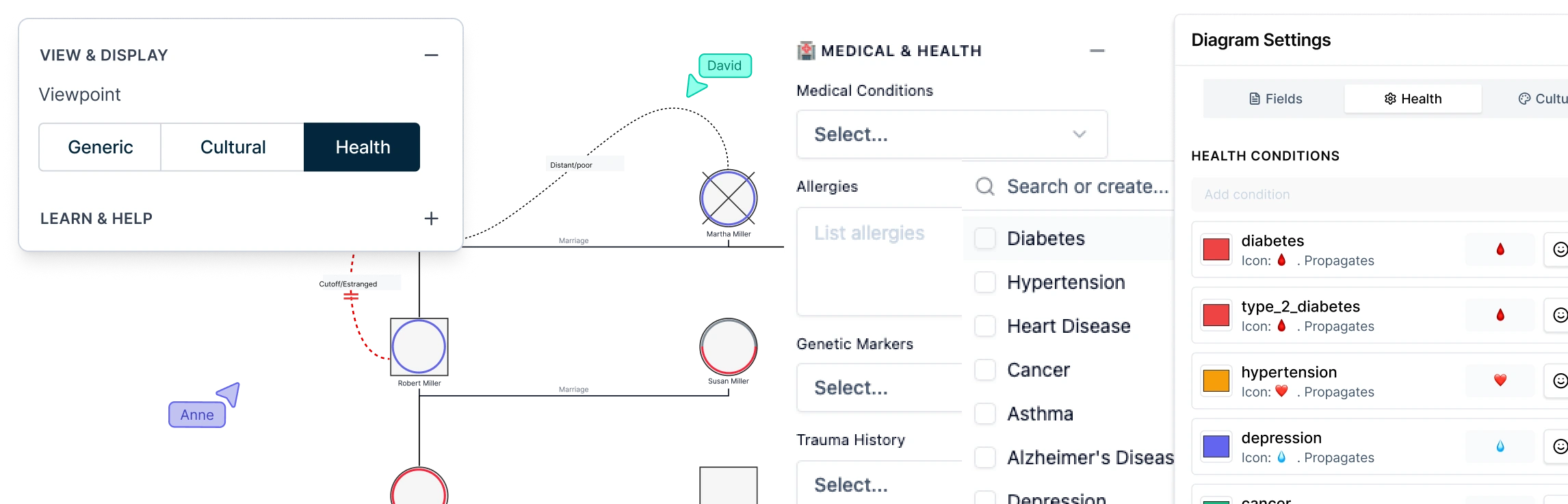
Creately’s view modes help you analyze family information from different angles. Health view can color-code people by medical condition to make hereditary patterns easier to spot, while culture view can help visualize cultural heritage, migration, and cross-cultural family structures.
This makes Creately useful not just for building a family genogram, but also for understanding patterns across generations.
Real-Time Collaboration and Role-Based Sharing
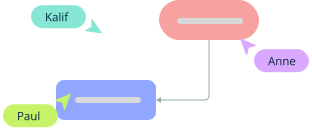
Family genograms are often created with input from therapists, clients, relatives, educators, healthcare professionals, or case teams. Creately supports real-time collaboration with live cursors, comments, auto-save, and role-based permissions such as Viewer, Editor, Moderator, and Owner.
This makes it easier to review, update, and discuss the genogram while controlling who can view or edit sensitive information.
Easy Export and Sharing Options
Once your family genogram is complete, you can export it as PDF, DOCX, PNG, JPEG, SVG, or JSON. PDF and DOCX exports are useful for reports, documentation, therapy notes, case files, or academic work, while image and SVG exports are helpful for presentations and visual sharing.
FAQs About Family Genogram
What is a family genogram used for?
How is a family genogram different from a family tree?
Can I create a family genogram online?
What is the genogram of a family chart?
How to analyze a family genogram?
What are the components of a genogram?
What are the Benefits of Using a Family Genogram?
- Reveal Patterns and Trends
- Therapeutic Insight and Emotional Awareness
- Strategic Family Planning
Resources:
Alexander, J.H., Callaghan, J.E.M. and Fellin, L.C. (2018). Genograms in research: participants’ reflections of the genogram process. Qualitative Research in Psychology, 19(1), pp.1–21. doi:https://doi.org/10.1080/14780887.2018.1545066.
Butler, J.F. (2008). The Family Diagram and Genogram: Comparisons and Contrasts. The American Journal of Family Therapy, 36(3), pp.169–180. doi:https://doi.org/10.1080/01926180701291055.
Puhlman, D., Shigeto, A., Murillo‐Borjas, G.A., Maurya, R.K. and Vincenti, V.B. (2023). Qualitative genogram analysis: A methodology for theorizing family dynamics. Journal of Family Theory & Review, 15(2), pp.276–291. doi:https://doi.org/10.1111/jftr.12496.