In any project, success hinges not just on the project team’s efforts but also on effectively managing the interests and expectations of stakeholders. Stakeholder identification forms the bedrock of this process, guiding project managers in understanding who holds a stake in their project and how best to engage with them. In this comprehensive guide, we’ll look into the specifics of stakeholder identification, exploring its significance, steps, methods, and providing actionable templates to streamline the process.
What Is Stakeholder Identification
Stakeholder identification is the systematic process of identifying individuals or groups who have a vested interest in the success or outcome of a project. These stakeholders can exert influence, contribute resources, or be affected by the project in various ways. From employees and clients to regulators and community members, stakeholders come from various backgrounds and hold different degrees of influence.
The purpose of stakeholder identification is to make sure that all relevant parties are recognized and considered throughout the project or organizational endeavor. By identifying stakeholders early in the process, project managers and leaders can understand their needs, expectations, concerns, and potential impact on the project. This understanding enables effective stakeholder engagement, communication, and management strategies, which are essential for project success and achieving organizational objectives.
Stakeholder Identification vs Stakeholder Analysis
Stakeholder identification and stakeholder analysis are closely connected, but they are not the same.
Stakeholder identification is the process of finding all individuals, groups, teams, departments, organizations, or communities that can affect or be affected by a project. It answers the question: who should be considered?
Stakeholder analysis comes next. It helps you understand each stakeholder’s level of influence, interest, needs, expectations, risks, and communication requirements. It answers the question: how should each stakeholder be prioritized and engaged?
Together, stakeholder identification and analysis help project teams move from a basic list of names to a clear engagement strategy. This prevents important stakeholders from being overlooked and helps teams focus time and communication on the people who matter most to the project outcome.
Why Is Stakeholder Identification Important
Stakeholder identification guides project managers through the project lifecycle. Here’s why you need it:
- To Identify all individuals or groups who have a stake in the project, including internal and external parties such as team members, clients, suppliers, regulators, and the community.
- To investigate what each stakeholder cares about regarding the project— their goals, expectations, fears, and desired outcomes. This helps in addressing their needs effectively.
- To evaluate the level of influence each stakeholder holds over project decisions and their potential impact on project outcomes. This allows for prioritizing engagement efforts accordingly.
- To anticipate potential risks and opportunities associated with each stakeholder group. This involves considering how their actions or reactions could affect the project’s success.
- To use insights gained from stakeholder analysis to inform decision-making processes throughout the project lifecycle. This makes sure decisions are aligned with stakeholder interests and project goals.
- To develop communication plans tailored to the preferences and needs of different stakeholder groups. This includes determining the frequency, format, and content of communication to keep stakeholders informed and engaged.
- To prioritize engagement efforts based on stakeholders’ level of influence, interest, and potential impact. This makes sure that resources are allocated effectively to those stakeholders who can contribute the most to project success.
- To build and maintain positive relationships with stakeholders by addressing their concerns, providing opportunities for input, and demonstrating responsiveness to their needs. This fosters trust and cooperation, essential for project success.
Steps to Identify Your Stakeholders
Identifying stakeholders involves a systematic process to make sure that all relevant individuals or groups are recognized.
Step 1. Define the Project Scope and Objective
Start by clarifying what the project is trying to achieve, what will change, and which teams, customers, systems, or communities may be affected. A clear project scope helps you avoid listing stakeholders too broadly or missing people who are indirectly affected.
Step 2. List Internal and External Stakeholders
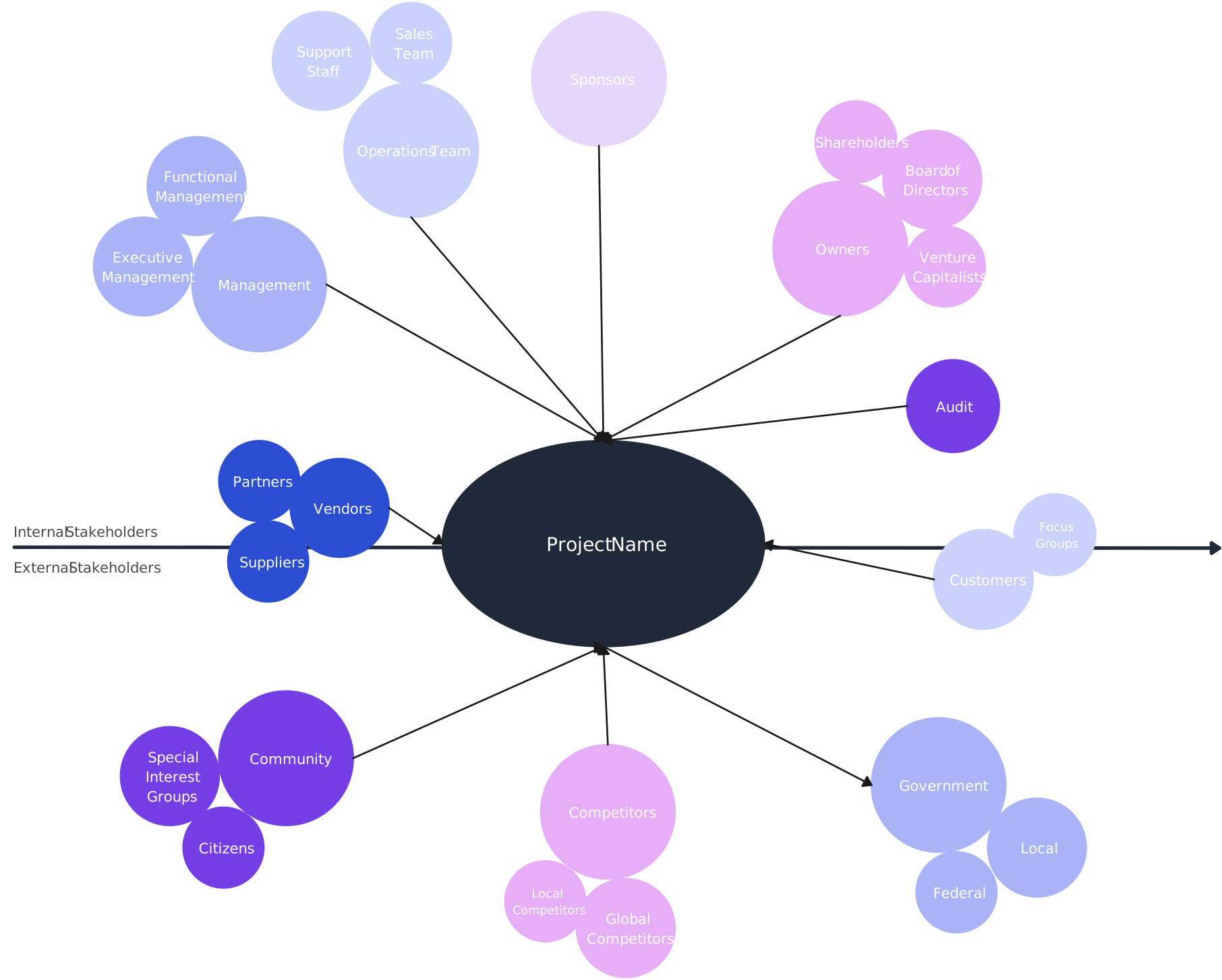
Create an initial list of everyone who may influence, support, approve, use, deliver, or be affected by the project. Include internal stakeholders such as leadership teams, project teams, employees, finance, legal, IT, HR, and operations. Then add external stakeholders such as customers, suppliers, regulators, partners, investors, community groups, and industry bodies.

Step 3. Review Documents, Data, and Existing Relationships
Use project briefs, org charts, process maps, customer data, contracts, compliance documents, meeting notes, and previous project records to find stakeholders that may not appear in the first brainstorming session.
Step 4. Group Stakeholders by Role or Relationship to the Project
Organize stakeholders into useful categories such as decision-makers, sponsors, end users, impacted teams, delivery partners, regulators, subject matter experts, and community stakeholders. This makes it easier to spot gaps in your list.
Step 5. Assess Influence, Interest, and Impact
Evaluate how much influence each stakeholder has, how interested they are in the project, and how strongly they may be affected by the outcome. This step connects stakeholder identification to stakeholder analysis and helps you determine who needs closer engagement.
Step 6. Prioritize Key Stakeholders
Identify key stakeholders based on their authority, influence, level of impact, resources, expertise, risk exposure, or ability to support or block the project. Prioritization helps teams focus their communication and engagement efforts where they matter most.
Step 7. Validate and Update the Stakeholder List
Stakeholder identification is not a one-time activity. Review the list with project sponsors, team leads, and subject matter experts. Update it as the project scope, risks, decisions, or affected groups change.
Stakeholder Identification Techniques
Different projects require different stakeholder identification techniques. Use a combination of methods to avoid missing hidden, indirect, or low-visibility stakeholders.
1. Brainstorming Workshops
Bring together project managers, team leads, subject matter experts, and sponsors to list potential stakeholders. This works well early in the project when you need broad input from different functions.
2. Document Review
Review business cases, project charters, contracts, org charts, process documentation, customer journey maps, risk registers, compliance requirements, and previous project records. This helps identify formal stakeholders, approval groups, affected teams, and regulatory bodies.
3. Interviews and Surveys
Speak with project sponsors, department heads, frontline employees, customers, suppliers, or community representatives to uncover stakeholders who may not be visible from project documents alone.
4. Stakeholder Mapping
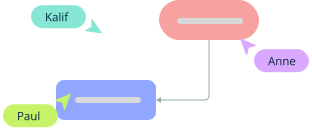
Use a stakeholder map to visualize relationships between people, teams, departments, and external groups. This helps you see influence paths, dependencies, communication gaps, and groups that are indirectly connected to the project.
5. Power-Interest Analysis
Plot stakeholders based on their level of power and interest. This technique helps distinguish between stakeholders who need close management, regular updates, minimal monitoring, or active involvement.
6. Impact-Based Identification
Identify stakeholders by asking who will be affected by the project’s decisions, deliverables, risks, costs, delays, or outcomes. This is especially useful for change management, public sector, infrastructure, healthcare, and transformation projects.
7. Expert Consultation
Ask experienced project managers, department leaders, legal advisors, compliance teams, or industry experts to review your stakeholder list. They can often identify overlooked groups based on past projects or regulatory knowledge.
8. Community and External Scanning
For public-facing or high-impact projects, review community groups, public forums, social media discussions, industry networks, and local organizations to identify external stakeholders who may be affected or interested.
Stakeholder Identification Checklist for Real Projects
Use this checklist after creating your stakeholder list to make sure you have covered the right people, groups, and analysis criteria before moving into engagement planning.
| Step | What to Do | Output |
| 1. Define the project | Clarify the goal, scope, affected areas, and expected outcomes | Project context |
| 2. List possible stakeholders | Brainstorm internal, external, direct, and indirect stakeholders | Initial stakeholder list |
| 3. Group stakeholders | Categorize by role, department, influence, impact, or relationship to the project | Stakeholder categories |
| 4. Analyze each stakeholder | Assess power, interest, impact, expectations, risks, and communication needs | Stakeholder analysis data |
| 5. Prioritize key stakeholders | Use a power-interest grid, influence-impact matrix, or salience model | Prioritized stakeholder list |
| 6. Plan engagement | Decide who needs consultation, approval, updates, or close collaboration | Stakeholder engagement plan |
| 7. Review regularly | Update the list as project scope, risks, or decisions change | Current stakeholder register |
6 Stakeholder Analysis Matrix and Prioritization Tools to Effectively Identify Stakeholders
Once stakeholders are identified, use the following tools to understand their level of influence, interest, impact, and engagement needs.
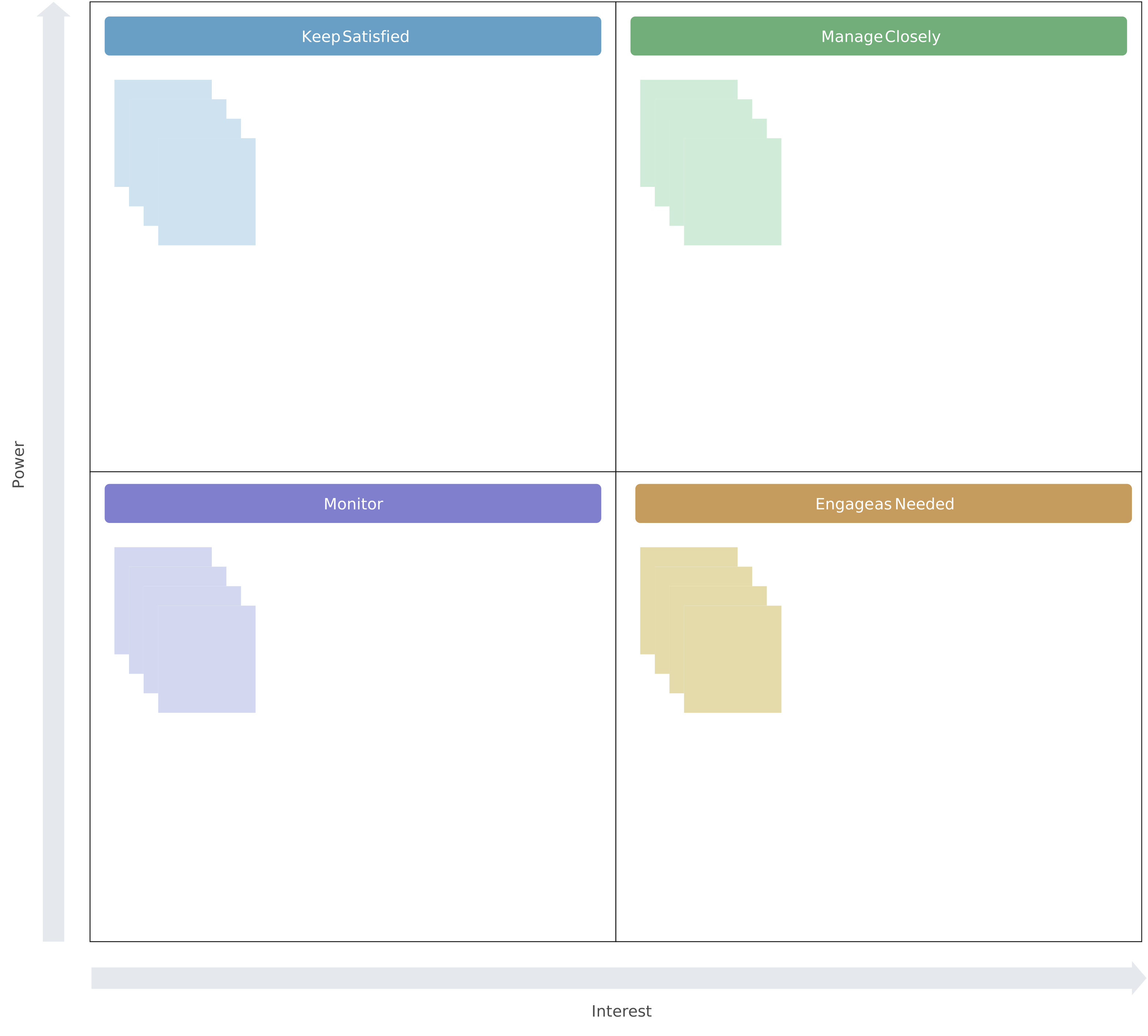
1. Stakeholder analysis matrix
This matrix categorizes stakeholders based on their level of influence and interest in the project. It helps prioritize engagement efforts.
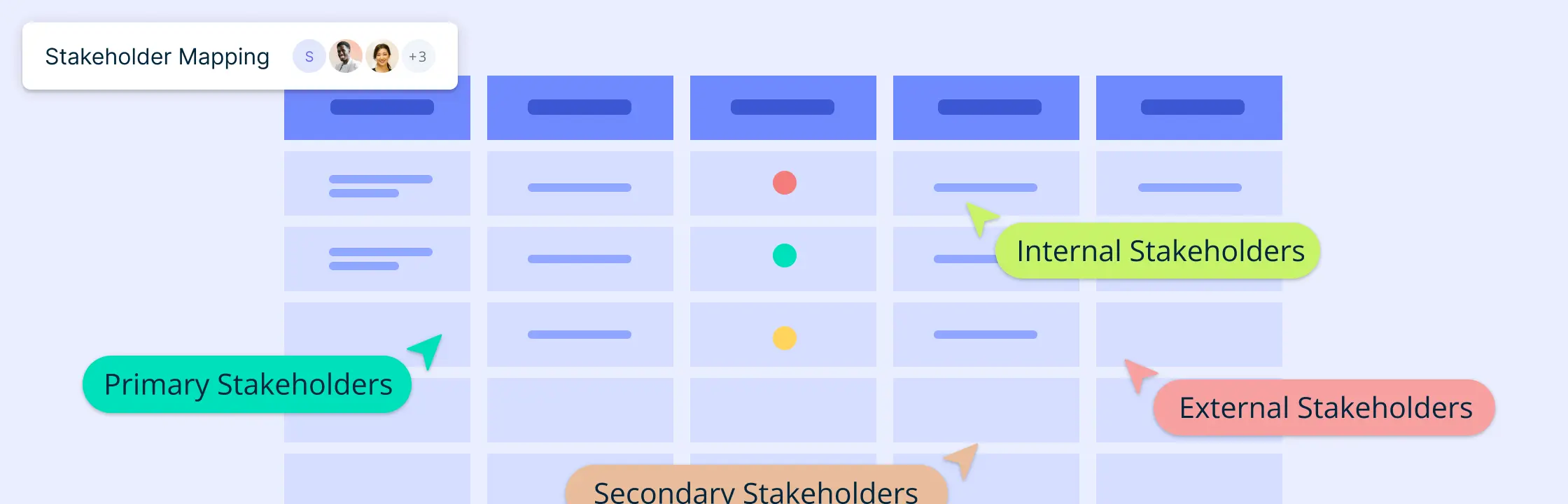
2. Stakeholder map
Visualize stakeholder relationships and their level of influence with stakeholder mapping. This helps in understanding power dynamics and identifying key players.
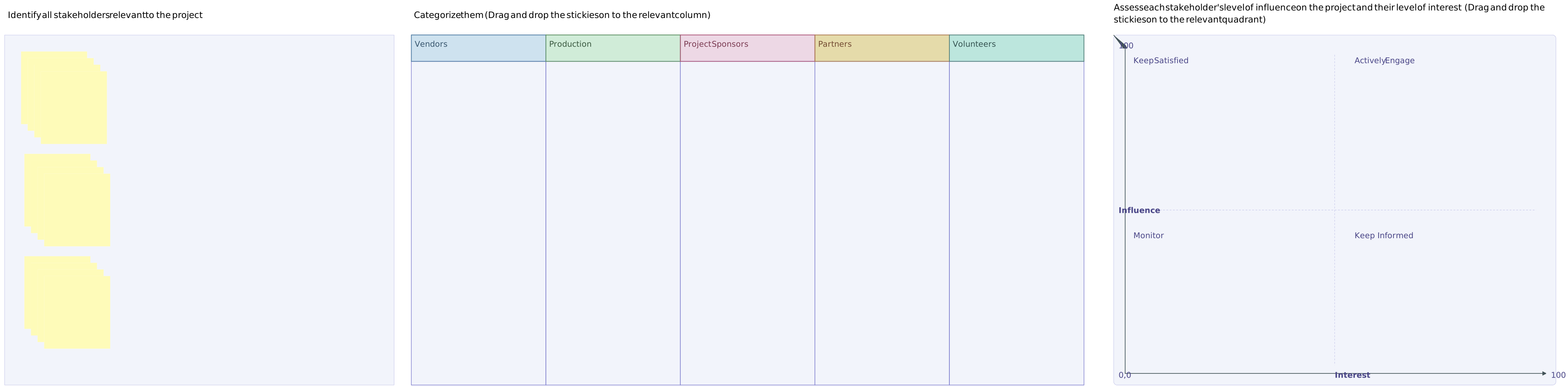
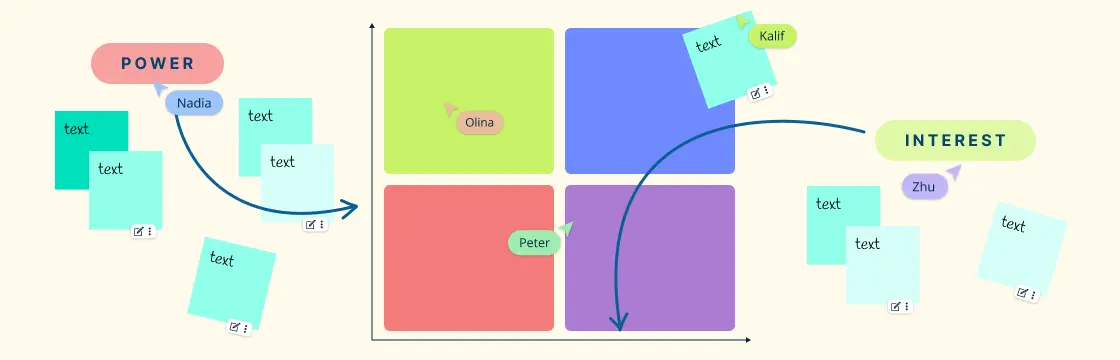
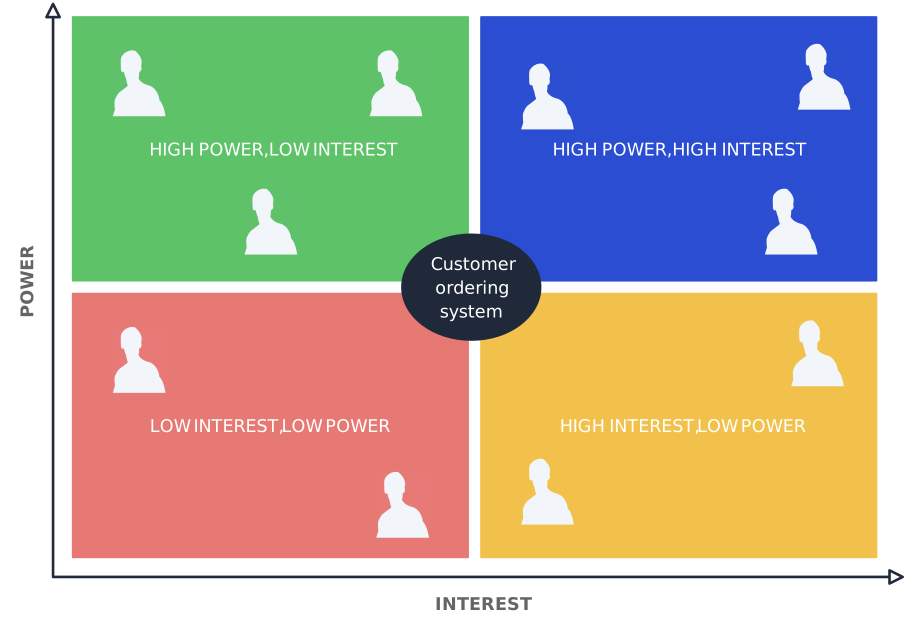
3. Power/Interest grid
Plot stakeholders on a grid based on their power (influence) and interest in the project. This allows for prioritizing stakeholders for engagement.
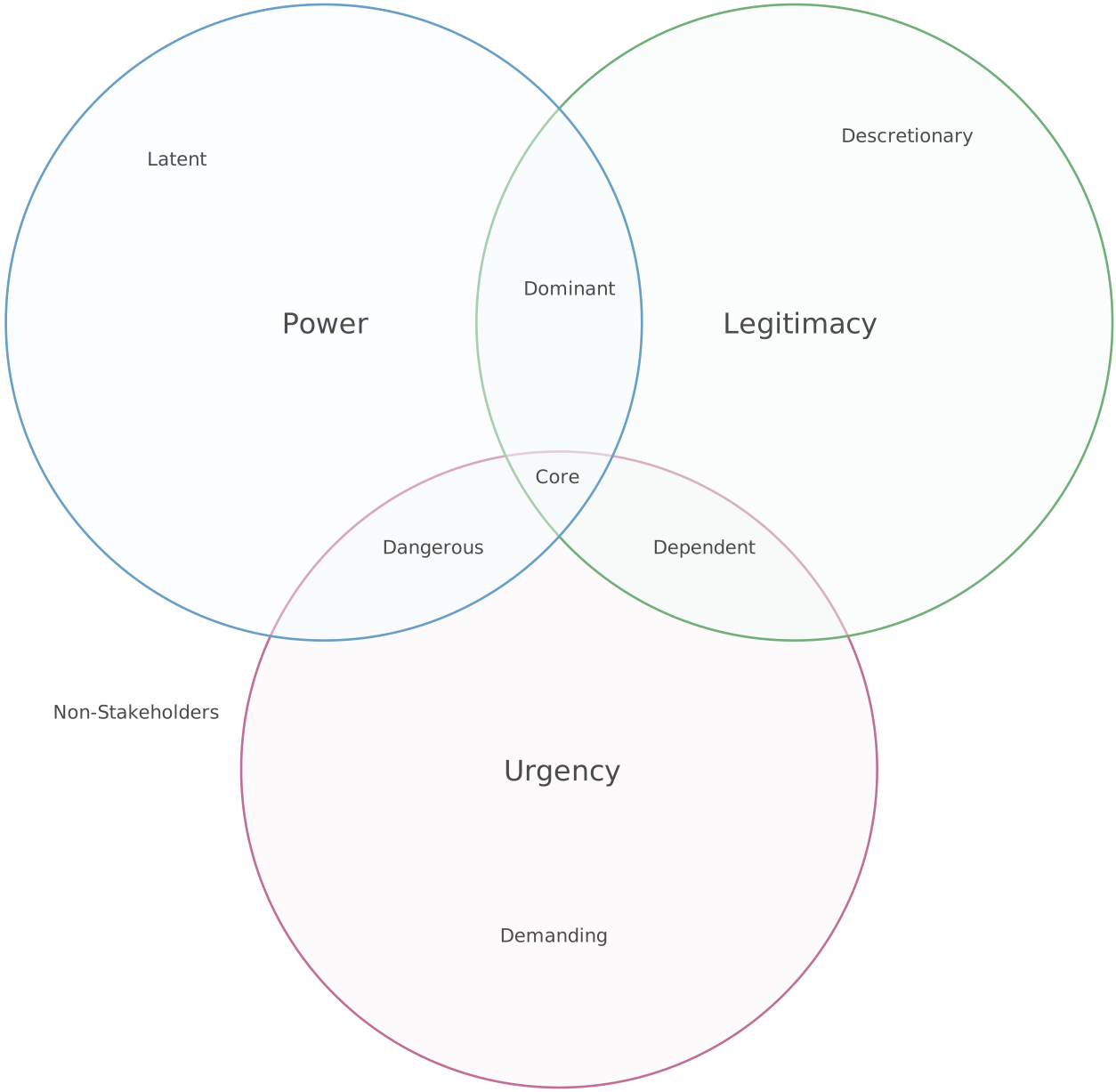
4. Salience model
This model categorizes stakeholders based on their power, urgency, and legitimacy. It helps in determining which stakeholders are most critical for the project’s success.
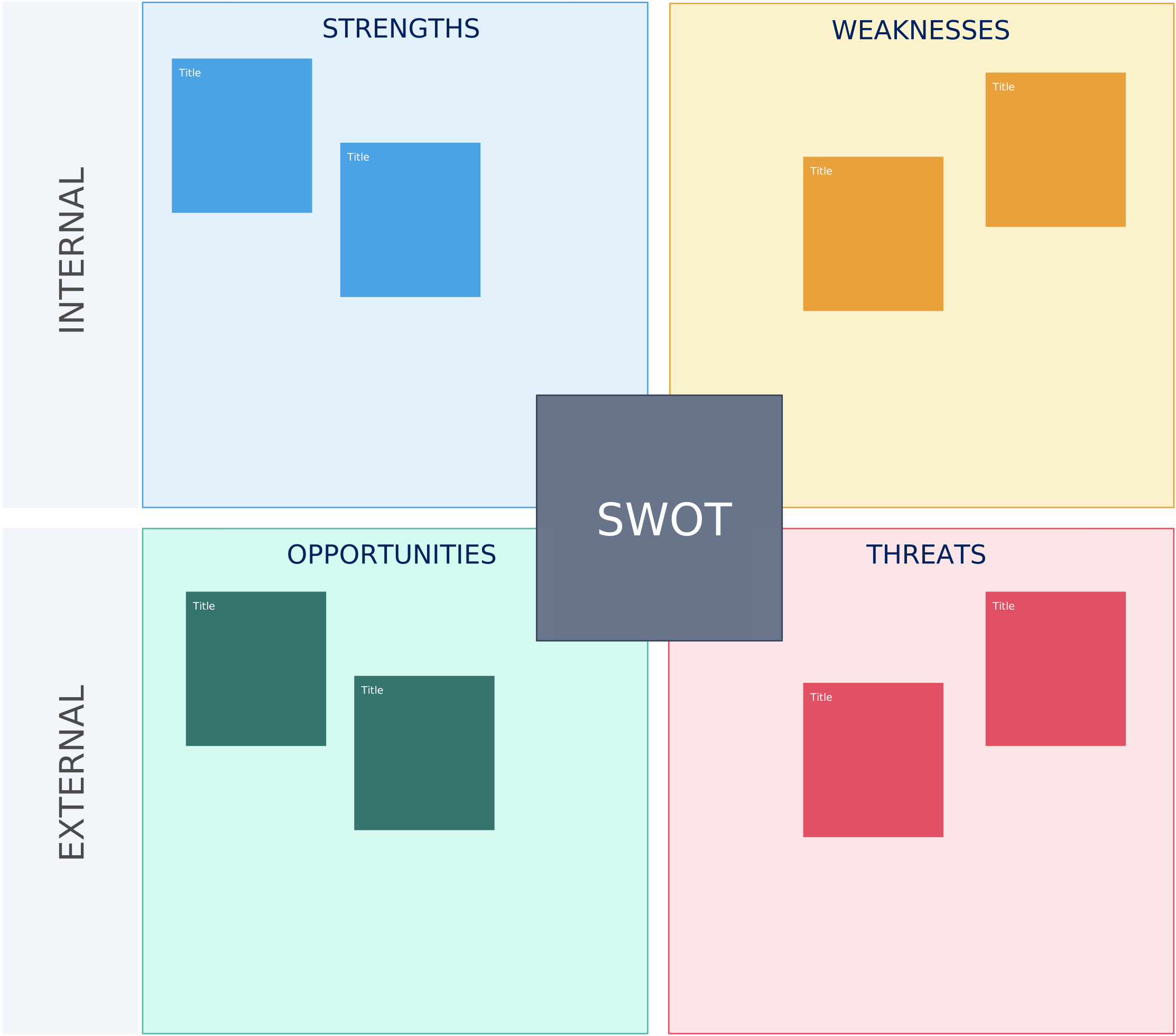
5. SWOT analysis
Analyze stakeholders’ strengths, weaknesses, opportunities, and threats related to the project. This helps in understanding their potential impact and engagement strategies.
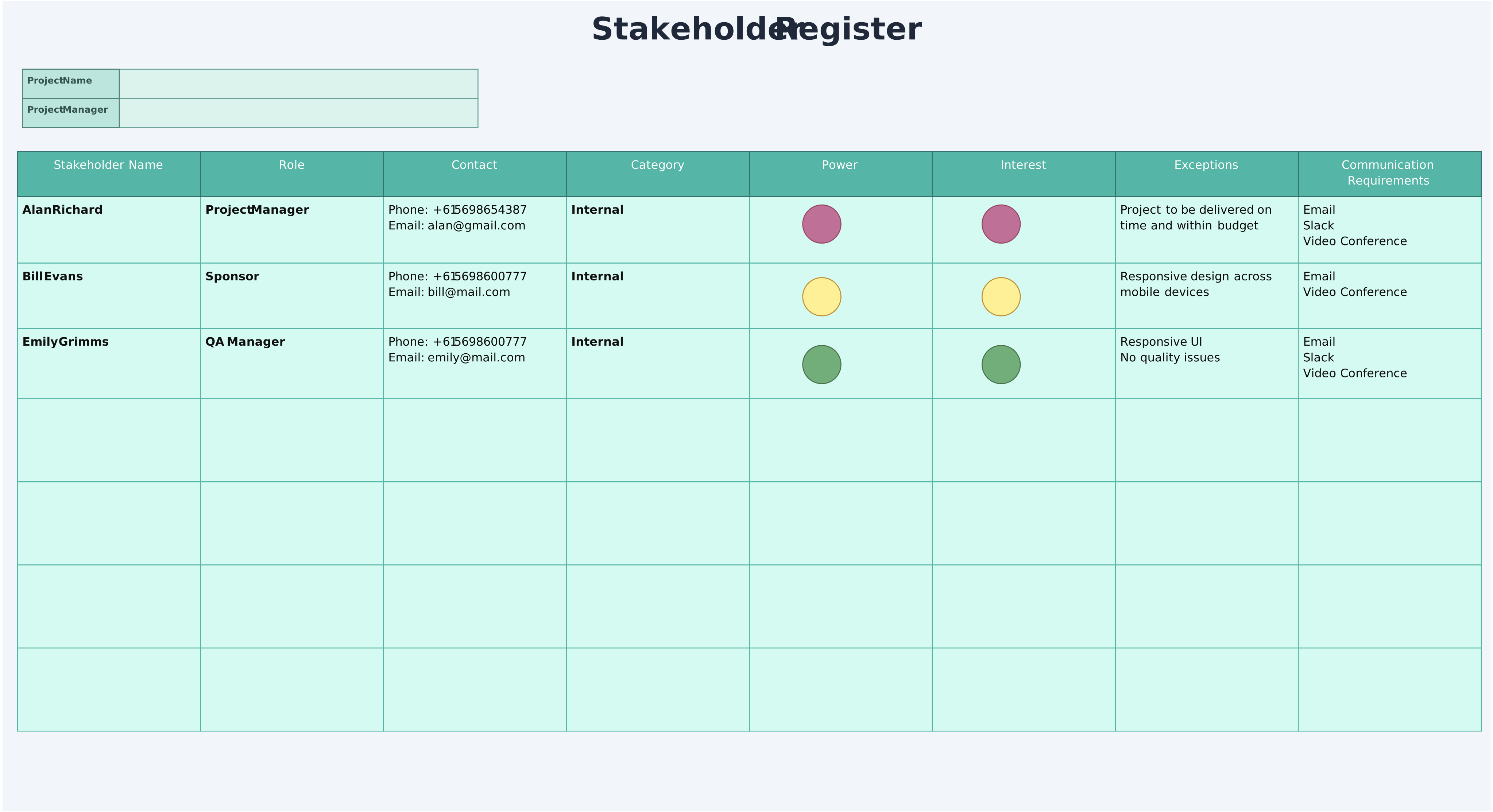
6. Stakeholder register
Create a stakeholder register to document information about each stakeholder, including their role, interests, expectations, and communication preferences.
10 Questions to Help Identify Stakeholders
To identify stakeholders effectively, ask the following questions:
Who is directly impacted by the project or initiative? Identify individuals or groups who will be directly affected by the project’s outcomes or activities.
Who are the end users or beneficiaries of the project? Determine the individuals or groups who will benefit from the project’s deliverables or services.
Who has authority or decision-making power related to the project? Identify key decision-makers within the organization or external stakeholders who can influence project outcomes.
Who provides resources or support for the project? Identify individuals or groups who contribute financial, human, or other resources to the project’s implementation.
Who are the internal stakeholders within the organization? Identify departments, teams, or individuals within the organization who have a stake in the project’s success.
Who are the external stakeholders outside the organization? Identify external entities such as customers, suppliers, regulators, community members, or advocacy groups who may be impacted by the project.
Who may have expertise or specialized knowledge relevant to the project? Identify subject matter experts or industry professionals who can provide valuable insights or guidance for project implementation.
Who has expressed interest or concern about the project? Consider individuals or groups who have raised questions, expressed support, or voiced concerns regarding the project.
Who could potentially be affected by project risks or outcomes? Identify individuals or groups who may face risks or consequences as a result of the project’s activities or outcomes.
Who are the indirect stakeholders who may be influenced by the project’s outcomes or activities? Identify individuals or groups who may not be directly impacted by the project but could be affected indirectly through secondary effects or ripple effects.
Challenges in Stakeholder Identification
Here are five key challenges that project managers and leaders encounter in identifying stakeholders and dealing with their different needs and expectations.
- Projects often involve a web of stakeholders with varying interests and influence levels, making it challenging to identify everyone involved accurately.
- Gathering comprehensive data on stakeholders, especially external ones, can be difficult, hindering a full understanding of their needs and impact on the project.
- Stakeholder relationships evolve over time due to organizational shifts and external factors, necessitating continuous monitoring to grasp evolving priorities and concerns.
- Stakeholders may have divergent goals, sometimes conflicting with the project’s objectives. Balancing these interests while meeting project goals demands tactful negotiation and diplomacy.
- Some stakeholders may not be obvious at first glance but still possess significant influence or are affected by the project. Identifying these stakeholders requires proactive outreach efforts and engagement strategies.
How to Use Creately for Stakeholder Identification and Analysis
Creately helps teams move from a scattered list of stakeholders to a visual, structured, and collaborative stakeholder analysis workspace.
Start with Stakeholder Identification Templates
Use stakeholder maps, stakeholder registers, power-interest grids, and stakeholder analysis matrices to quickly capture people, teams, departments, customers, partners, regulators, and other groups connected to your project.
Map Stakeholder Relationships Visually
Create stakeholder maps to show relationships, dependencies, influence paths, and communication links. This helps teams see who is connected to the project, who may be affected indirectly, and where engagement gaps may exist.
Prioritize Stakeholders with Analysis Matrices
Use power-interest grids, influence-impact matrices, or salience models to prioritize stakeholders after identification. This makes it easier to decide who needs close collaboration, regular updates, consultation, or light monitoring.
Centralize Stakeholder Details
Use notes, attachments, and custom fields to record stakeholder interests, concerns, expectations, communication preferences, risks, and next steps directly on the workspace.
Collaborate with Project Teams in Real Time
Invite project managers, sponsors, department leads, and team members to review the stakeholder list together. Use comments and discussion threads to validate assumptions, fill gaps, and keep the stakeholder register updated.
Present and Share Stakeholder Insights
Use presentation mode to walk teams through stakeholder groups, analysis matrices, and engagement priorities during planning sessions, project reviews, or stakeholder alignment meetings.