Schools and education institutions are complex organizations. Between administrators, teachers, counselors, department heads, and district offices, it’s easy for reporting lines and responsibilities to become unclear, especially as staff change year to year.
A well‑designed school org chart gives administrators, faculty, and stakeholders a shared understanding of how the institution is structured. In this guide, we’ll walk through seven practical school organizational chart examples for K‑12 schools, universities, and school districts, along with free templates you can customize for your own institution.
What is a School Org Chart?
A school org chart is a visual map of roles, responsibilities, and reporting lines within a school, university, or education institution. It shows how administrators, teachers, and support staff are organized, who reports to whom, and how decisions and information flow across the institution. To learn more about organizational charts, their key components and uses, read what is an org chart guide.
Examples of School Organizational Charts
Below are common examples of school organizational structures used across K‑12 schools, universities, and school districts. Each example reflects how different education institutions structure leadership, teaching staff, and support teams. You can customize any of these examples using Creately’s school org chart software to match your school’s roles, reporting lines, and structure.
1. K‑12 School Administration Org Chart
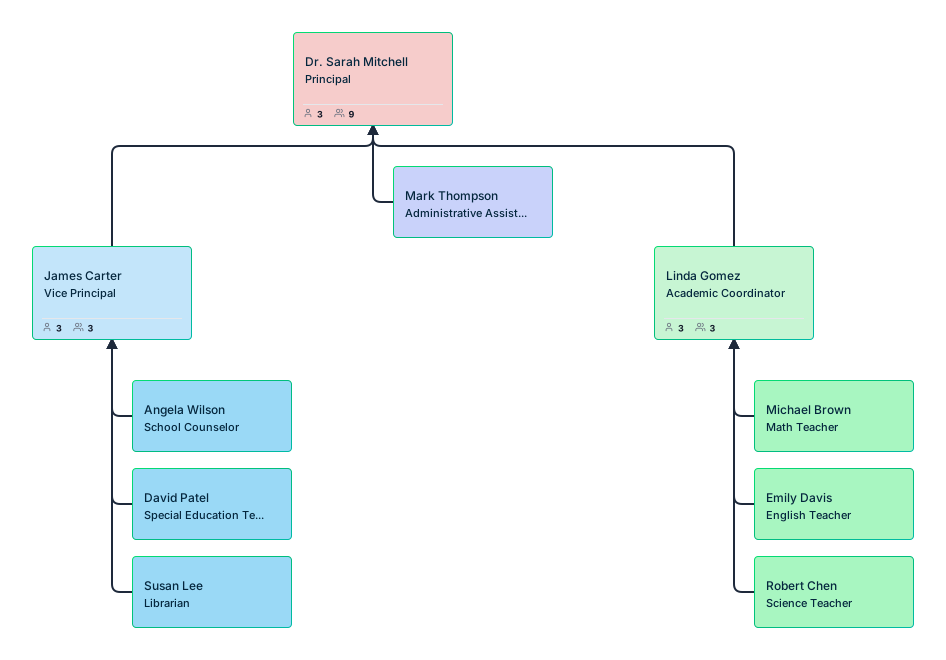
This is the most common type of school org chart used across elementary, middle, and high schools. It shows how school leadership, teaching staff, and support services are structured under the principal.
Typically, this structure includes:
- Principal and vice principals
- Department heads or grade‑level coordinators
- Teachers and teaching assistants
- Counselors, librarians, and support staff
Why this org chart matters
In K‑12 schools, roles often overlap and staff changes can happen at any point in the year. A clear K-12 org chart helps everyone understand reporting lines, speeds up onboarding for new hires, and gives parents and district officials a clear picture of who is responsible for what.
Use this template if
You manage a single K‑12 school and need a clear, shareable view of your leadership and teaching structure.

2. Elementary School Organizational Chart
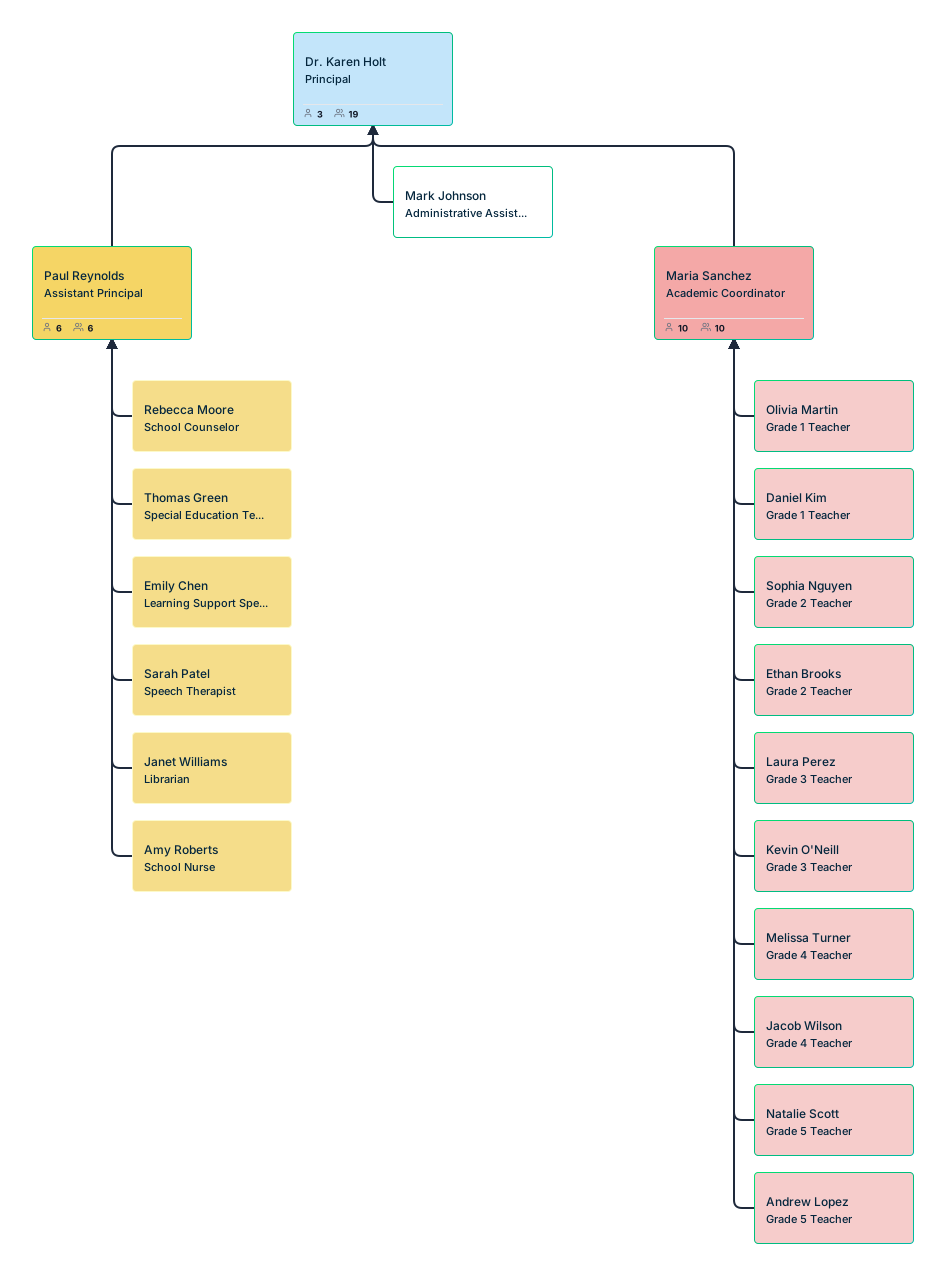
An elementary school organizational chart is designed for simplicity, close coordination, and strong student support. At this level, staff often work across grades, and administrative layers are kept intentionally lean.
A typical elementary school org chart includes:
- Principal and assistant principal
- Grade‑level teachers
- Special education and learning support staff
- Counselors, librarians, and administrative support
Why this org chart matters
Elementary schools depend on close collaboration between teachers and support teams. A well‑defined elementary school org chart helps administrators assign responsibility clearly, onboard new teachers faster, and make it easier for parents to know who to contact when issues arise.
Use this template if
You manage or administer an elementary school and need a simple, easy‑to‑maintain structure that reflects how staff work together day to day.
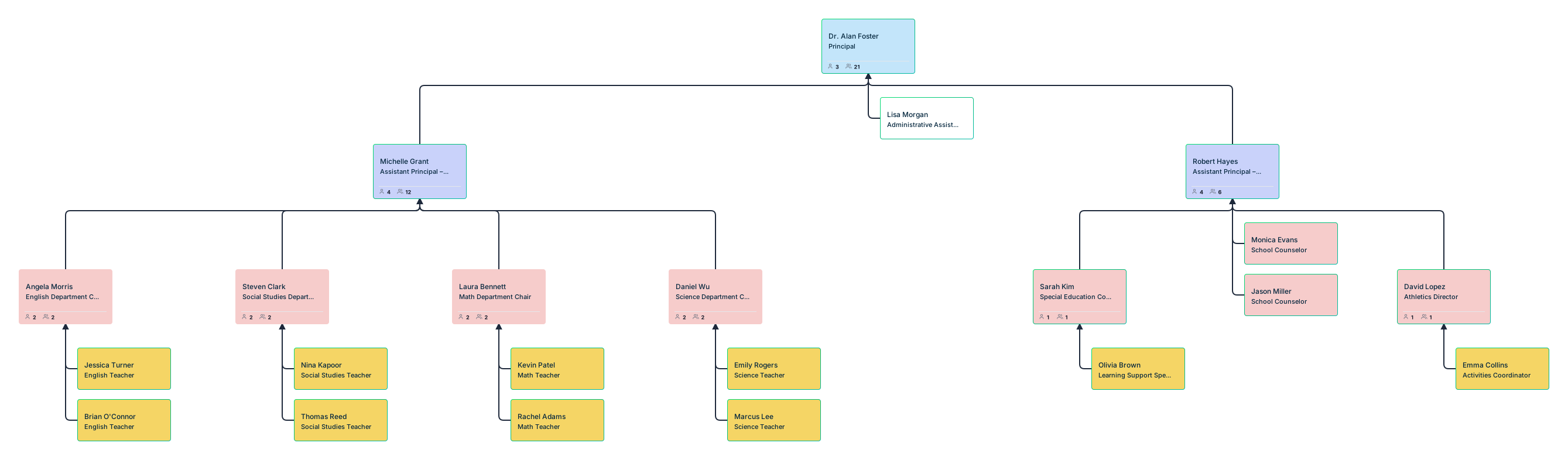
3. High School Organizational Chart
A high school org chart is usually more complex than an elementary school structure due to subject‑based departments, larger student populations, and a wider range of extracurricular programs.
This type of org chart often includes:
- Principal and multiple vice or assistant principals
- Department heads (Math, Science, Humanities, and more)
- Subject‑specific teaching staff
- Academic counselors, athletics, and extracurricular coordinators
Why this org chart matters
Without a clear structure, high school departments can quickly become siloed. A dedicated high school organizational chart clarifies leadership responsibilities, reduces duplicated work, and helps administrators manage larger and more specialized teams effectively.
Use this template if
Your institution runs a middle or high school with multiple departments and specialized academic or extracurricular roles.
4. University Department Org Chart
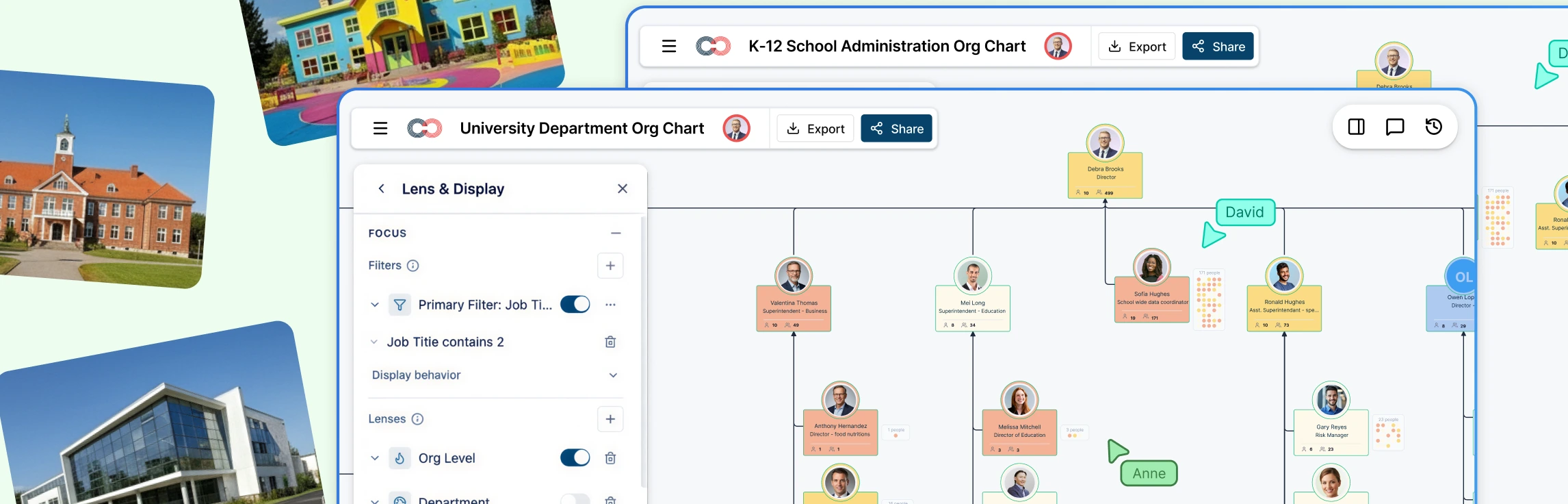
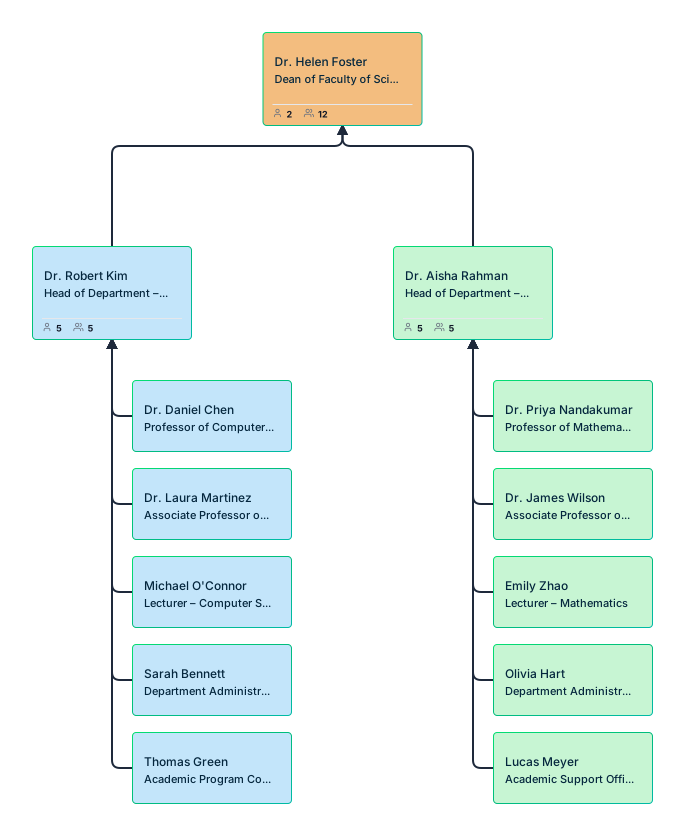
Universities are more complex than K‑12 schools, especially at the department level. A university department org chart helps balance academic leadership with administrative responsibilities.
This org chart typically includes:
- Dean or head of faculty
- Department chairs
- Faculty members and lecturers
- Administrative and academic support staff
Why this org chart matters
In many universities, staff are unclear about where academic authority ends and administrative responsibility begins. A department‑level university org chart makes leadership roles explicit and helps new faculty understand how decisions are made.
Use this template if
You manage or support a single academic department within a university or college.
5. Private School Organizational Chart
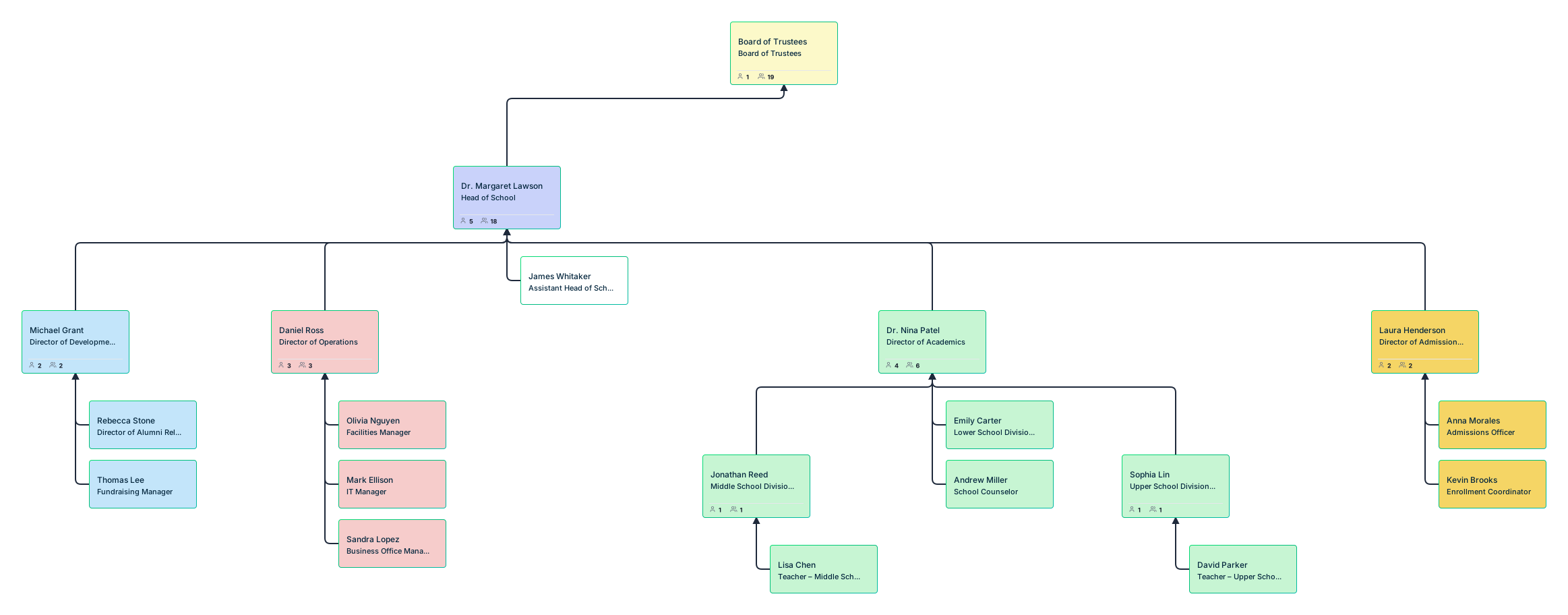
A private school organizational chart often reflects a more flexible and customized governance structure. Alongside academic leadership, private schools typically include roles focused on admissions, development, and board oversight.
A typical private school org chart includes:
- Head of School or Principal
- Academic leadership (division heads or department chairs)
- Admissions and enrollment management
- Development, fundraising, or advancement teams
- Teaching staff and student support services
- Administrative and operations staff
Why this org chart matters
Private schools must balance educational quality with long‑term sustainability. A clear education org chart for a private school helps prevent overlap between academic, admissions, and development teams while supporting transparent decision‑making and governance.
Use this template if
You run or manage a private school and need an organizational structure that accounts for both academics and institutional operations.
6. Public School Organizational Chart
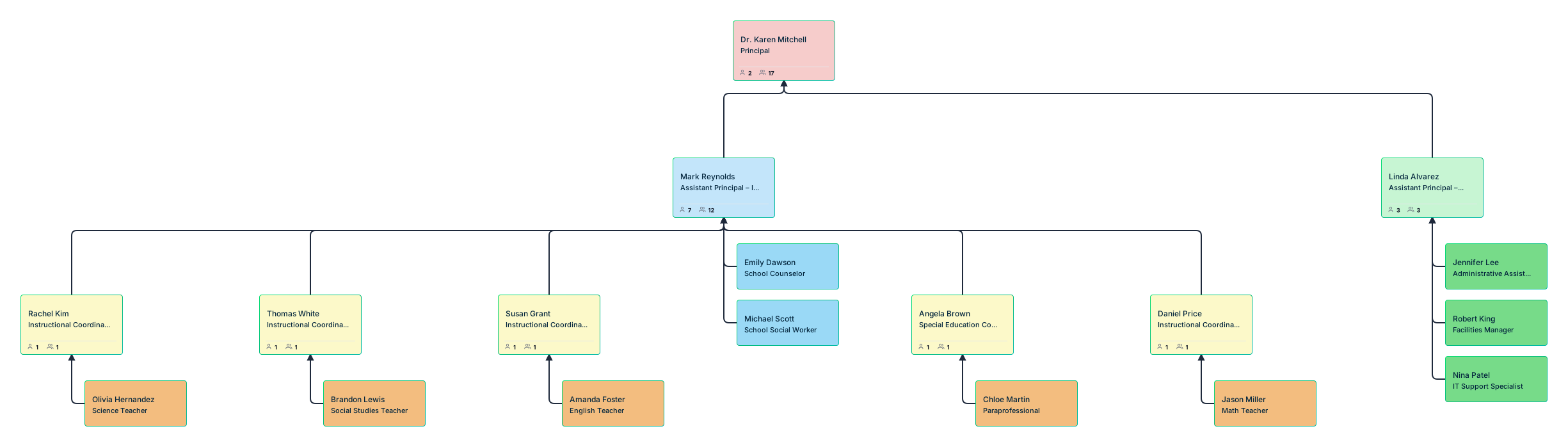
A public school organizational chart is shaped by district governance, regulatory requirements, and standardized reporting structures. These schools typically operate within clearly defined administrative frameworks set by education authorities.
A typical public school org chart includes:
- Principal and assistant principals
- Department heads or instructional coordinators
- Teaching staff and paraprofessionals
- Student support services (counselors, special education, social workers)
- Administrative and operational staff aligned with district policies
Why this org chart matters
Public schools must maintain clarity and accountability while serving large and diverse communities. A well‑structured education org chart for a public school helps administrators align with district expectations and makes it easier for staff and parents to understand how the school is organized.
Use this template if
You manage a public school and need a standardized, easy‑to‑maintain org chart that aligns with district governance and reporting requirements.
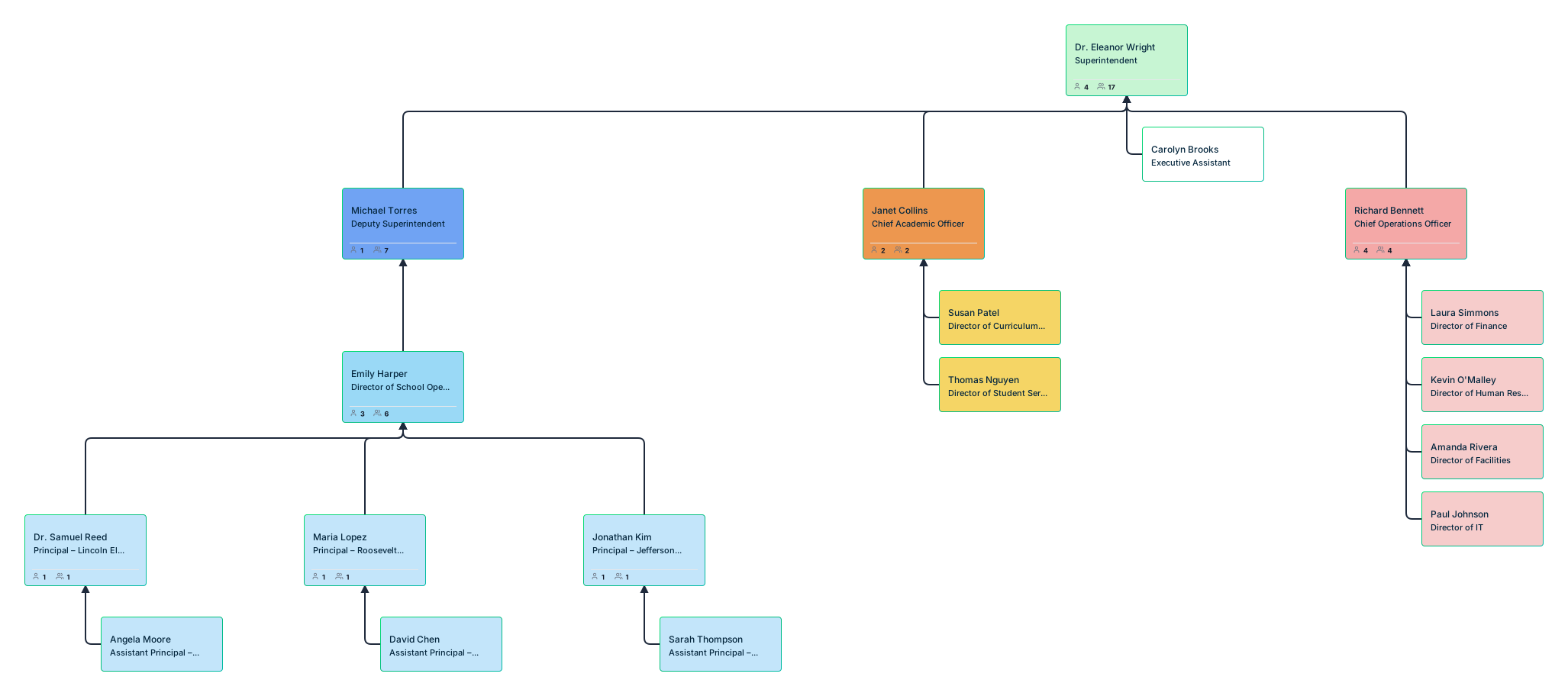
7. School District Organizational Chart
A school district org chart provides a high‑level view of how multiple schools and central services are managed under a single authority.
This structure usually includes:
- Superintendent and district leadership
- Central departments (HR, finance, curriculum)
- Individual schools and principals
- Shared services and support teams
Why this org chart matters
District leaders need visibility across schools to make consistent decisions and allocate resources effectively. A district‑level org chart helps communicate structure clearly, both internally and externally.
Use this template if
You oversee multiple schools within a district or education authority.
If you’re looking for more examples of a school organizational chart to customize for your institution, browse Creately’s free org chart templates.
Helpful Resources for Making Org Charts
Explore rules for drawing organizational charts and org chart best practices to make your org chart more meaningful and useful.
Easily make organizational charts to visualize the reporting structure of your organization for effective HR planning and management with org chart maker.
Learn simple steps to create an org chart that fits your business, along with tips and tools to make it easy to build and update.