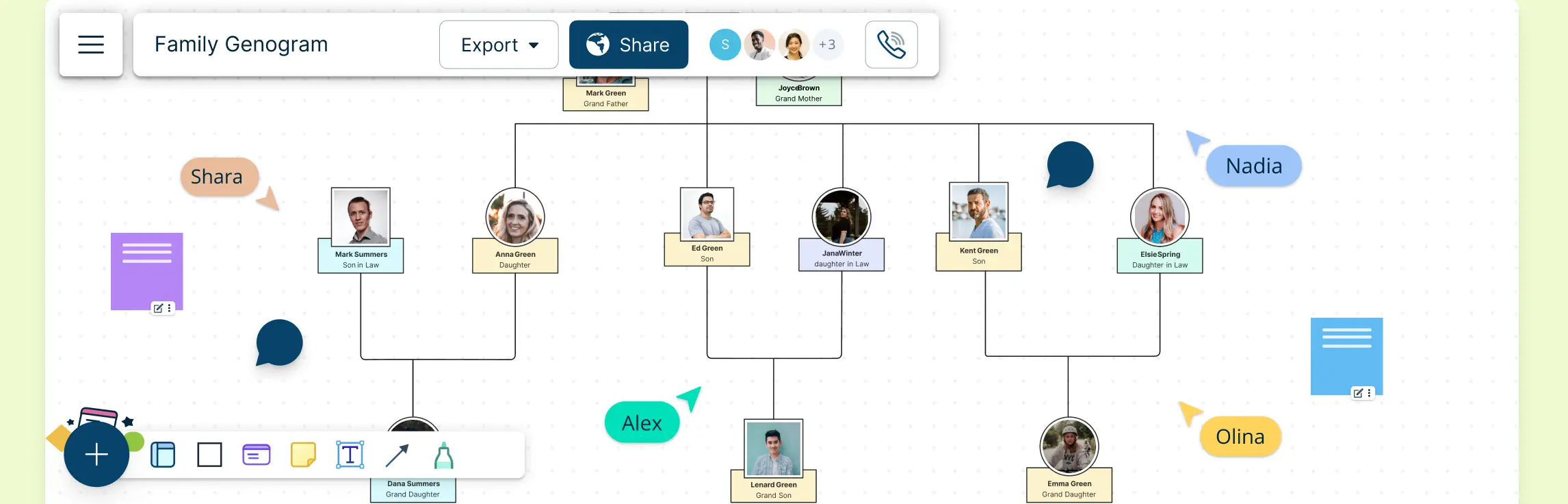
Looking for practical family genogram examples to help map your family’s structure, relationships, and health history? Whether you are charting a modern family genogram, exploring an extended family genogram, or creating a family health history genogram, this guide gives you editable templates to get started. Use these examples to uncover generational patterns and build a clearer, more structured family genogram.
What Is a Family Genogram?
A family genogram is a graphical representation of a family tree that maps out the relationships, health history, behavioral patterns, and life events of family members. It provides a clear visual of how family dynamics, medical histories, and emotional connections influence each other across generations.
Family Genogram Examples
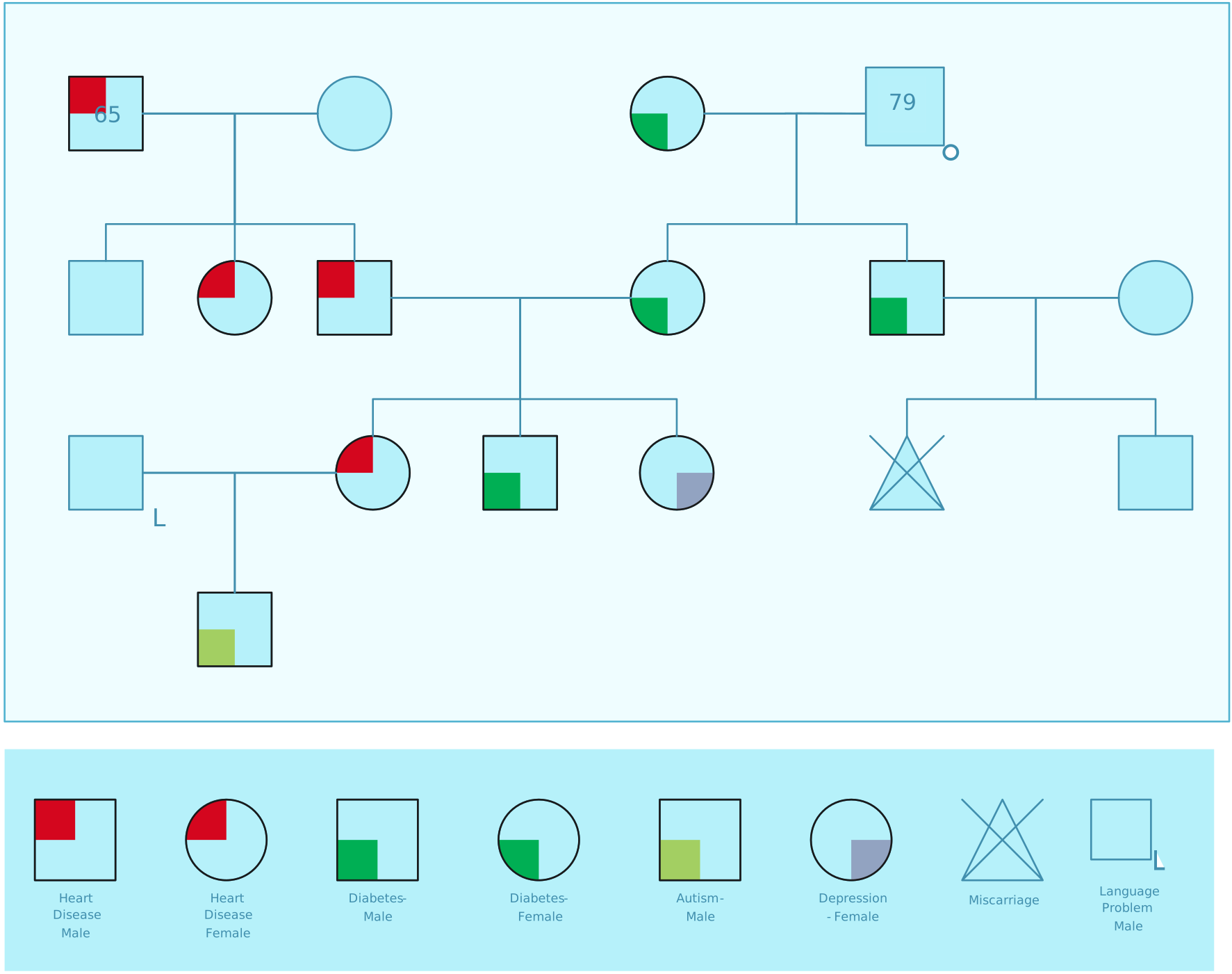
1. Family Health History Genogram Example
This example focuses on visualizing medical histories passed down through generations. A family health history genogram helps identify recurring illnesses like cancer, diabetes, or heart disease, making it easier for individuals and healthcare professionals to assess genetic risk factors. By clearly mapping inherited conditions, this type of genogram supports proactive care, early diagnosis, and preventive treatment planning.

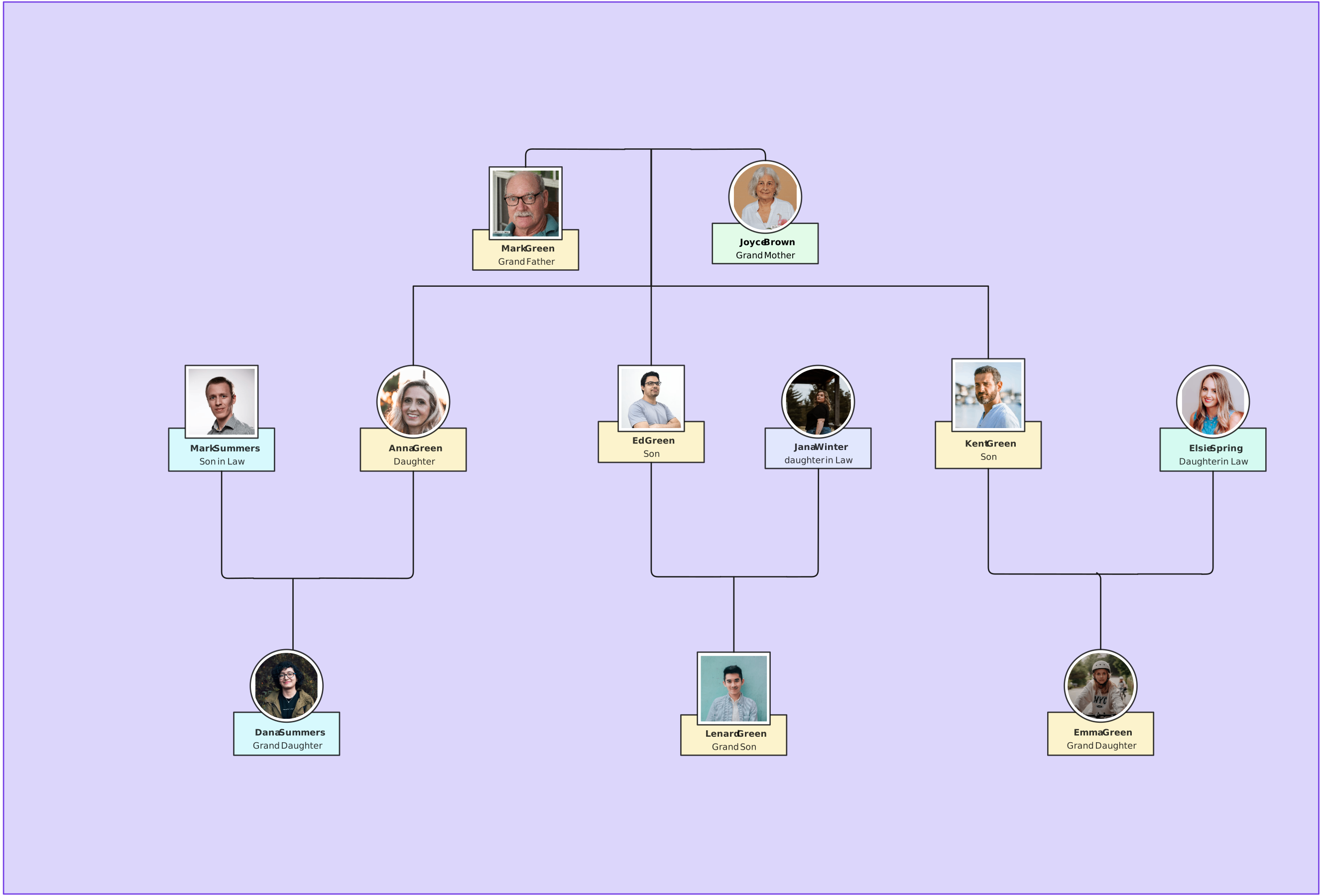
2. Family Genogram Example
This example is ideal for mapping emotional relationships, uncovering tension, and visualizing complex dynamics within the family unit. It highlights patterns like estrangement, conflict, or strong emotional bonds between members—insights that are especially valuable in therapy, counseling, and family conflict resolution. By understanding these relational patterns, families can improve communication and heal emotional wounds.
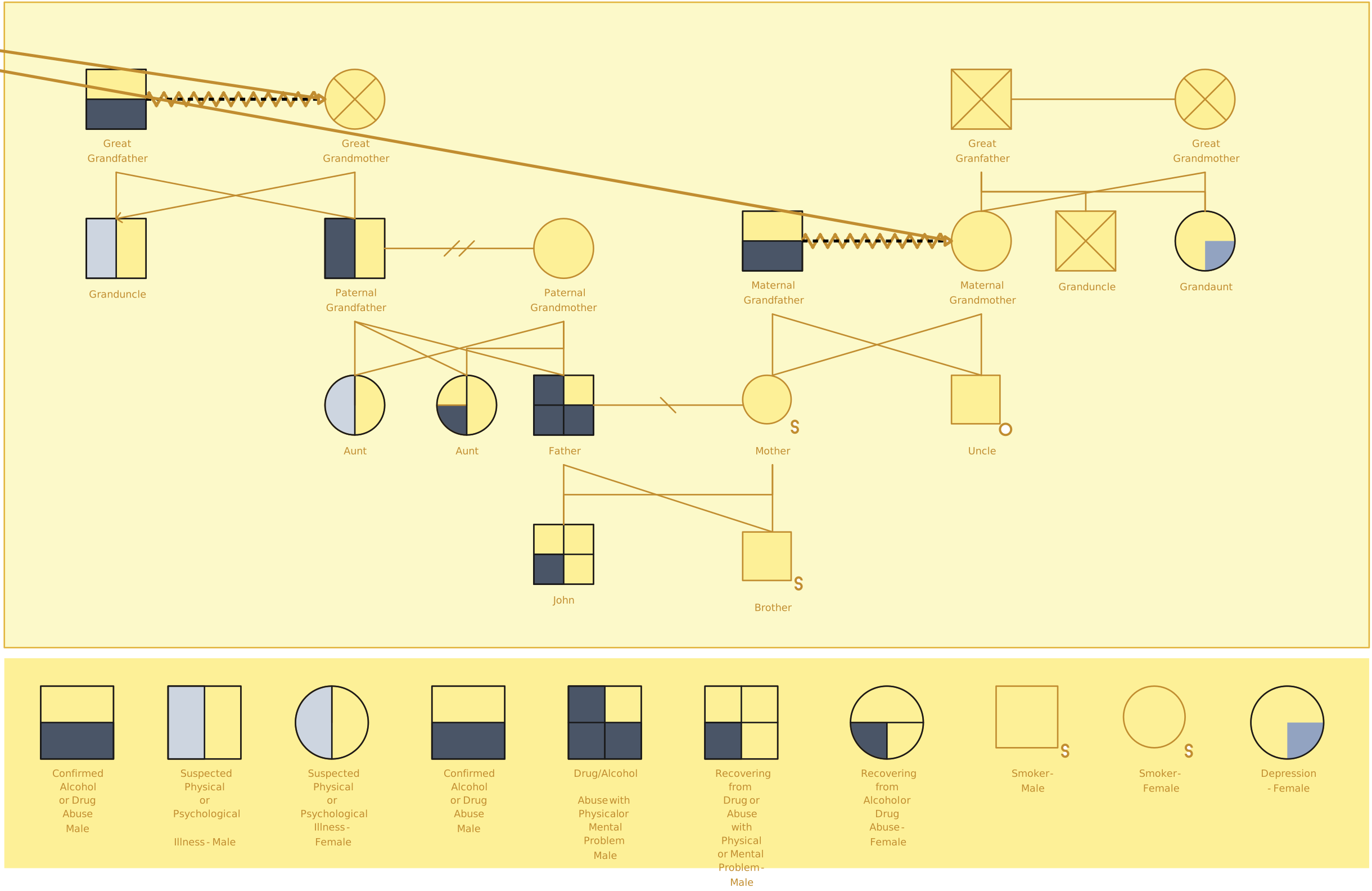
3. Intergenerational Trauma Family Genogram Example
This genogram example focuses on tracing emotional and psychological trauma passed down through generations. A genogram for intergenerational trauma helps therapists and counselors visualize recurring patterns of abuse, addiction, or mental health issues within a family system. By identifying these inherited emotional struggles, professionals can uncover root causes and guide families toward healing and long-term behavioral change.
4. Extended Family Genogram Example
This extended family genogram maps the flow of traditions, beliefs, and cultural values across multiple generations. It helps visualize how views on marriage, religion, parenting, and career choices have evolved or stayed consistent within the broader family network. Ideal for those exploring cultural identity or conducting heritage research, this genogram offers insight into the values that shape family behavior over time.
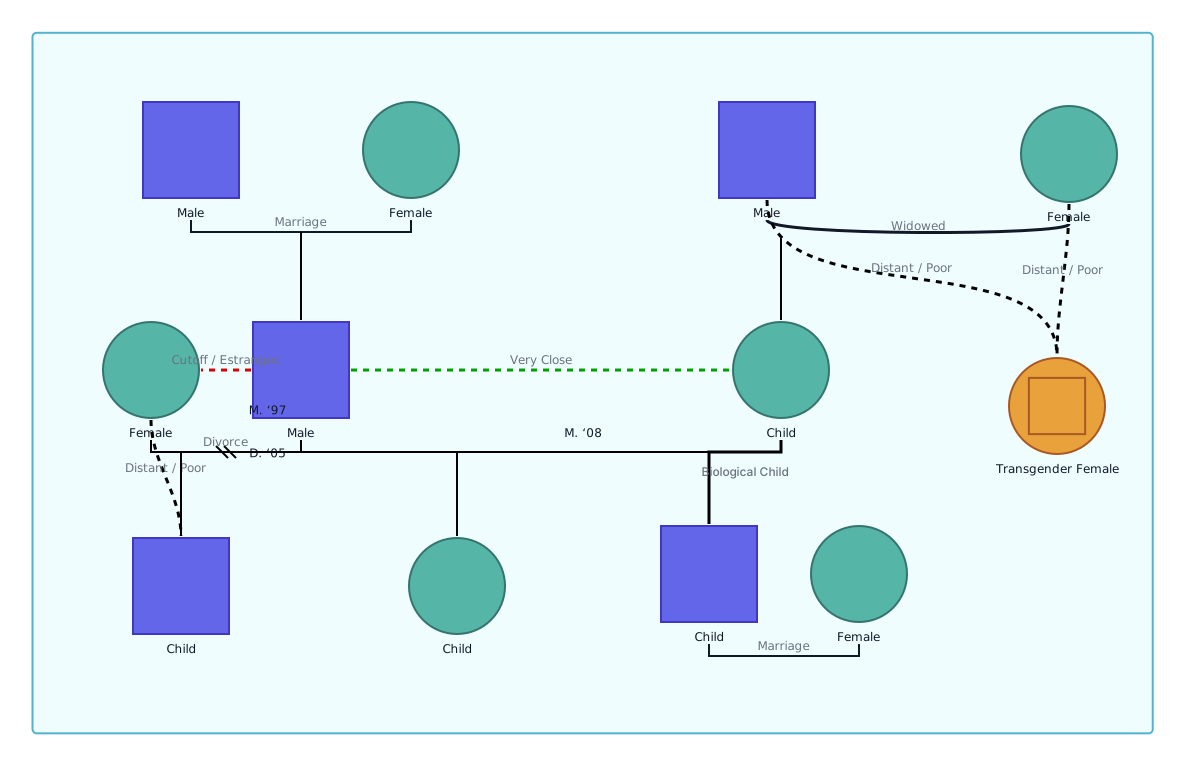
5. Roles and Power Structure Family Genogram Example
Focuses on mapping out roles, responsibilities, and authority structures within a household or family-owned business. It reveals who holds influence, makes decisions, or maintains control in the family system. By visualizing these power dynamics, this genogram helps improve communication, resolve conflicts, and optimize operations, especially in families managing shared assets or enterprises.
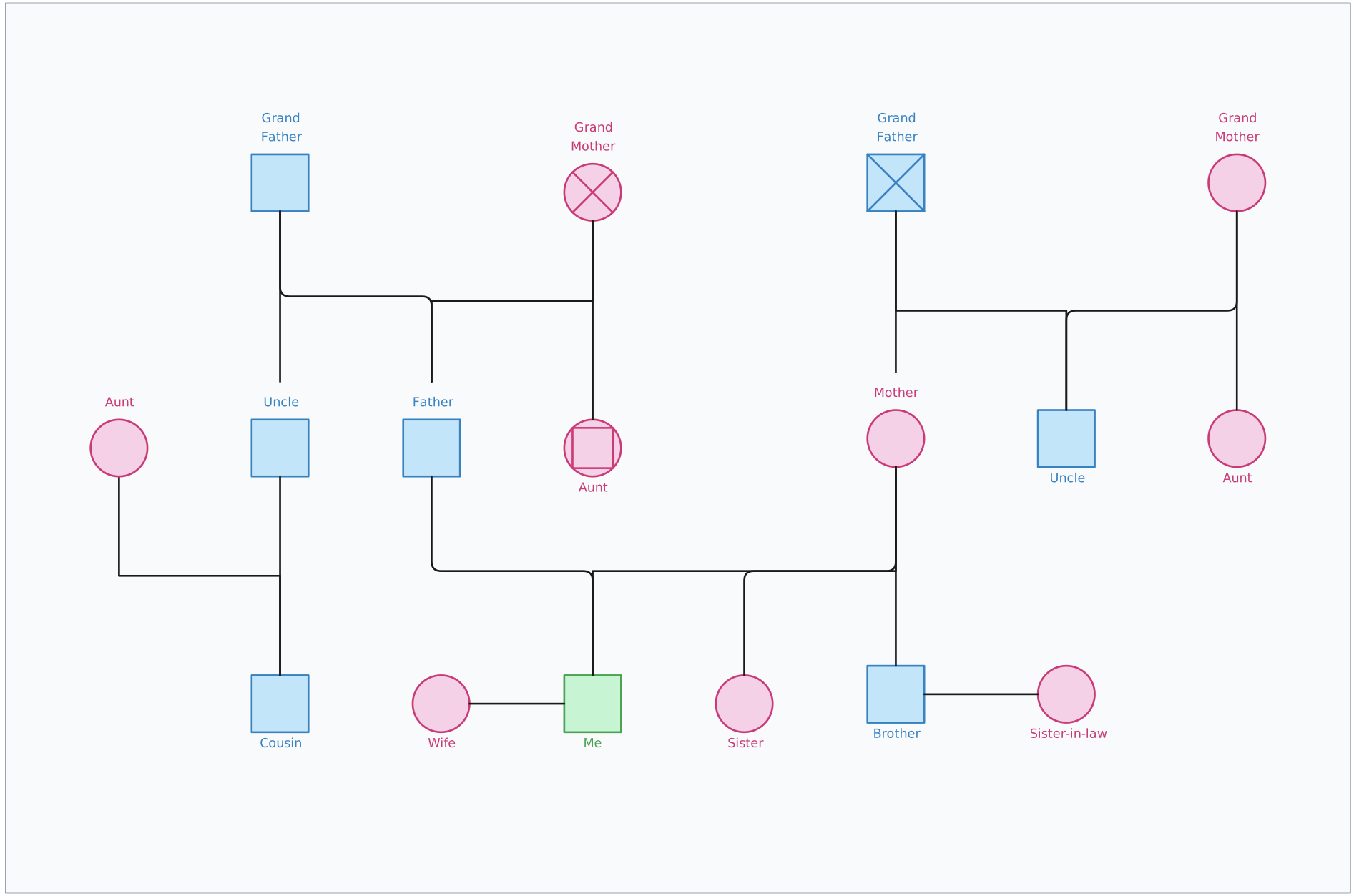
6. Modern Family Genogram Example
This modern family genogram example highlights evolving relationship structures by charting marriages, divorces, re-marriages, and co-parenting arrangements across generations. It helps uncover recurring patterns, such as frequent divorces or relational conflicts, that may signal deeper emotional or behavioral dynamics. Ideal for counseling and self-awareness, it supports more informed, intentional relationship choices.
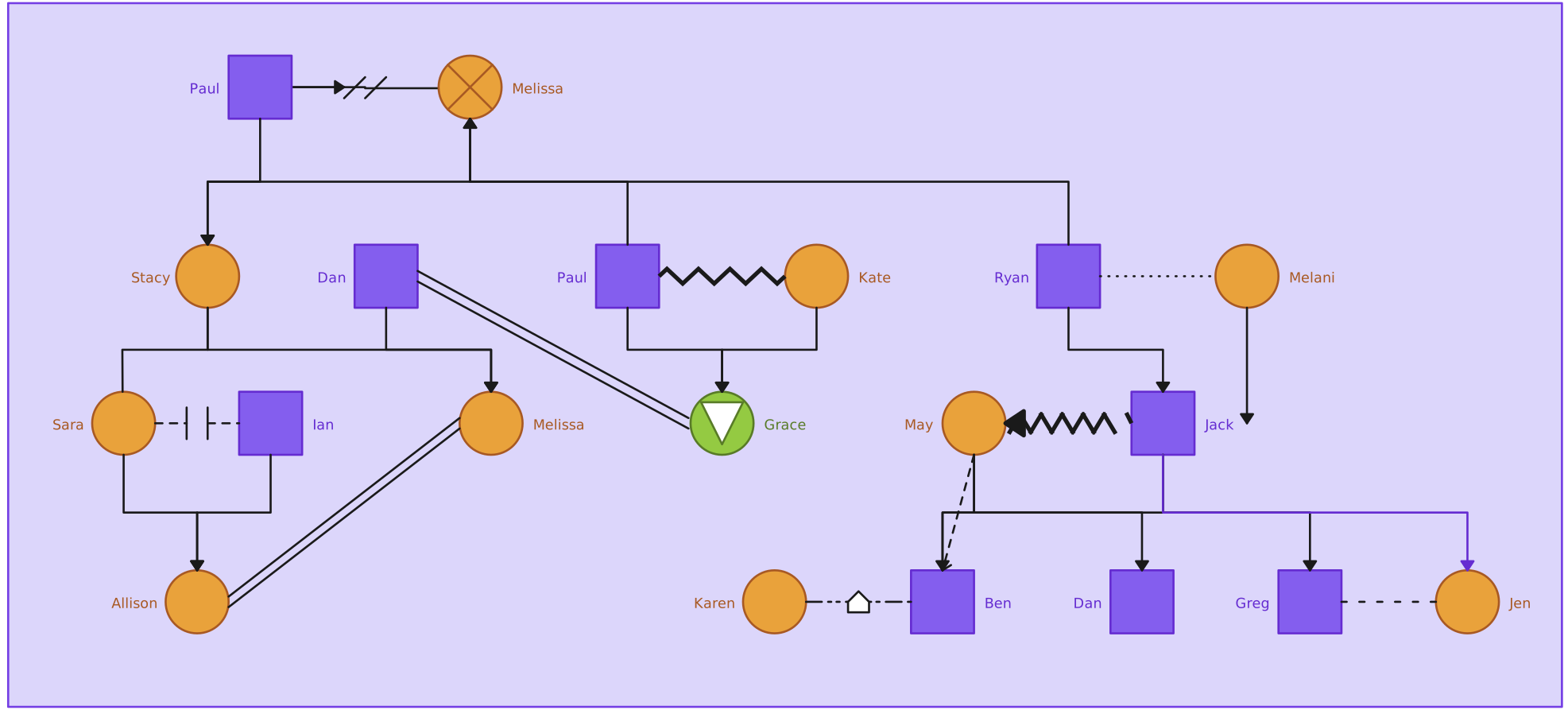
7. Care Planning Family Genogram Example
This is ideal for planning caregiving responsibilities and inheritance decisions across generations. Visualizing family structures, key caregivers, and potential beneficiaries helps families coordinate long-term care for elderly members and make equitable estate planning choices. This approach reduces conflicts and supports more organized, thoughtful decision-making.
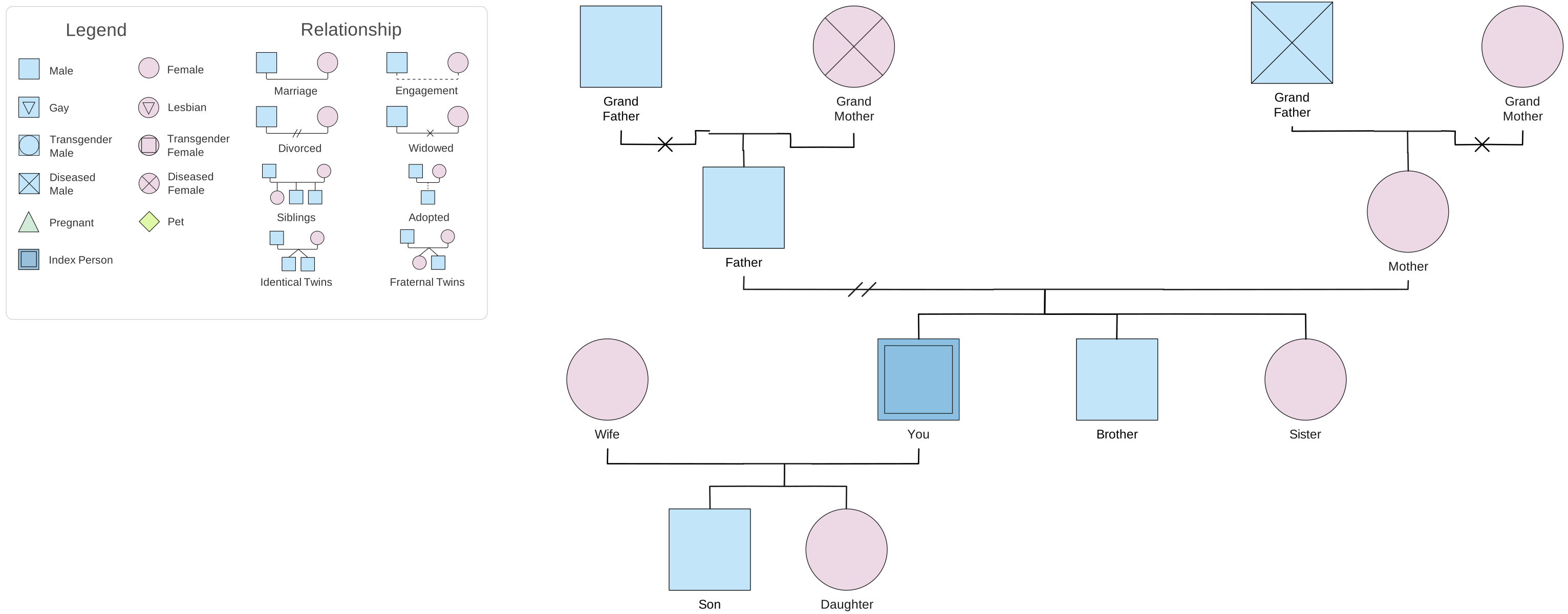
Benefits of Creating a Family Genogram
Understanding the value of a genogram goes beyond just visualizing a family tree. Here are the key benefits of using family genogram examples.
1. Identify Health Risks Early - A family health history genogram maps hereditary conditions like diabetes, cancer, and heart disease, helping individuals and healthcare providers identify inherited risk patterns for improved prevention and timely intervention.
2. Improve Family Communication - A family genogram highlights emotional ties, conflicts, and recurring behaviors, helping to understand interpersonal dynamics and promote healthier communication in therapy or counseling.
3. Address Intergenerational Trauma - Family genograms that track trauma like addiction, abuse, or neglect across generations help therapists break harmful cycles, making them effective tools for healing and improving mental health.
4. Visualize Cultural Traditions and Values - Cultural family genograms trace the evolution of traditions, values, and beliefs across generations, aiding individuals in exploring heritage and researchers in understanding societal impacts on family behaviors.
5. Clarify Roles and Power Structures - In complex family businesses or blended households, genograms clarify roles and power dynamics, helping navigate relationships and leadership, resolve conflicts, and ensure fair responsibility distribution.
6. Recognize Relationship Patterns - A genogram identifies patterns in marriages, divorces, and estrangements across generations, providing insights that help individuals make healthier relationship decisions.
7. Plan for Family Care and Inheritance - Family genograms aid caregiving and estate planning by mapping roles, enabling informed decisions about elder care and inheritance to prevent conflicts and ensure fairness.
How Creately Helps to Create Family Genograms
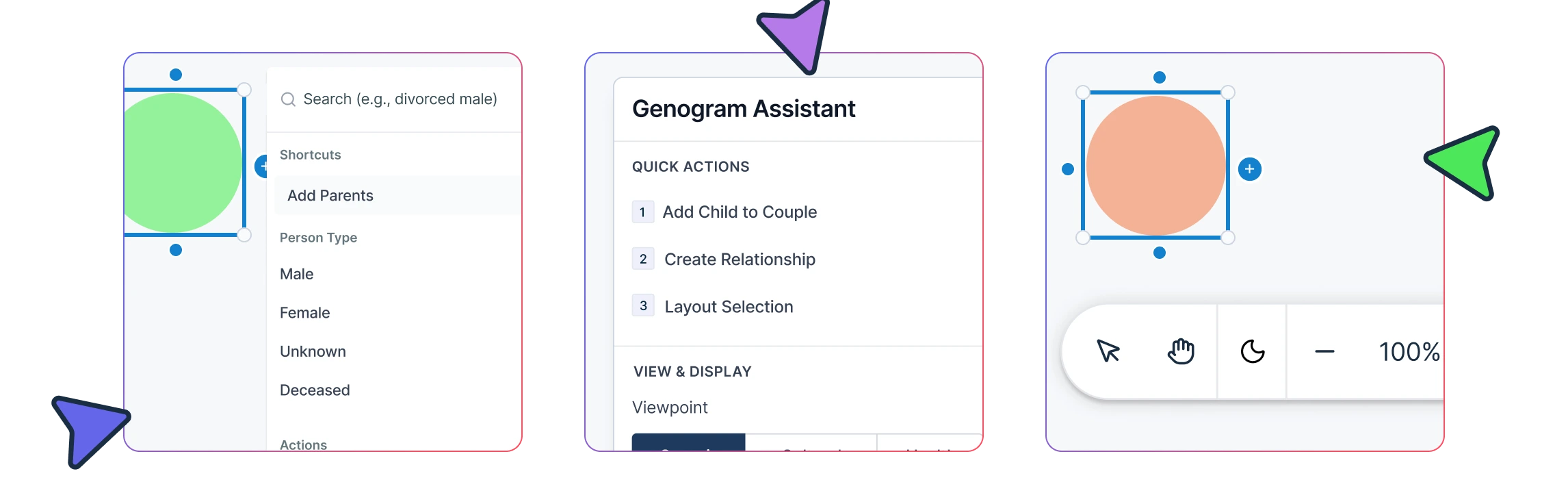
Creately’s AI genogram maker helps you move from static family diagrams to structured, editable family genograms. Instead of manually arranging shapes, lines, and labels, you can use AI-powered generation, clinical notation, field packs, templates, and collaboration tools to build family genograms for healthcare, therapy, social work, genealogy, research, and personal planning.
1. Generate a Family Genogram From Text
Creately’s AI-powered text-to-genogram generation lets you paste a written family description, case note, or intake summary and turn it into a visual genogram. It can extract clearly stated people, relationships, conditions, cultural heritage, dates, and family details, giving you a faster starting point than building every person and relationship manually.
2. Use Clinical Genogram Notation
Creately supports 71 relationship subtypes across 9 categories, including partner, parent-child, emotional, hostile, abuse, foster, adoptive, step, and twin relationships. Each relationship type uses distinct visual encoding, helping users represent family structures and dynamics more clearly than with basic lines or labels.
3. Build Faster With Quick-Add Controls
Creately’s quick-add tools help you add relatives faster during diagramming. Select a person and use quick-add controls or keyboard shortcuts to add a partner, child, parent, parents, or sibling, with the person and relationship created together.
4. Work With Auto-Derived Person Shapes
Creately includes 40+ person shape variants that update automatically based on the data added to each person. This helps represent details such as sex, gender, deceased status, pregnancy, and other markers without manually choosing and adjusting symbols each time.
5. Capture Details With Field Packs
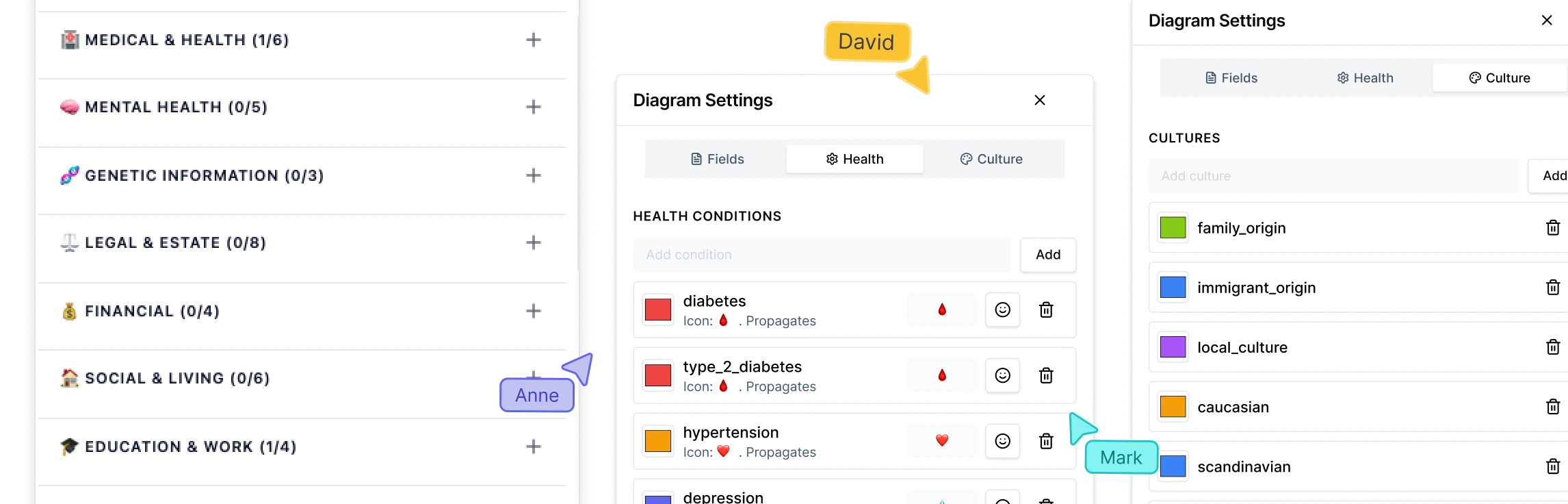
Creately’s genogram field packs let you capture the type of information needed for different family genogram examples. You can activate fields for medical and genetic history, family therapy, social work, legal and estate planning, research, and genealogy, while keeping unnecessary fields hidden.
6. Use View Modes to Spot Patterns
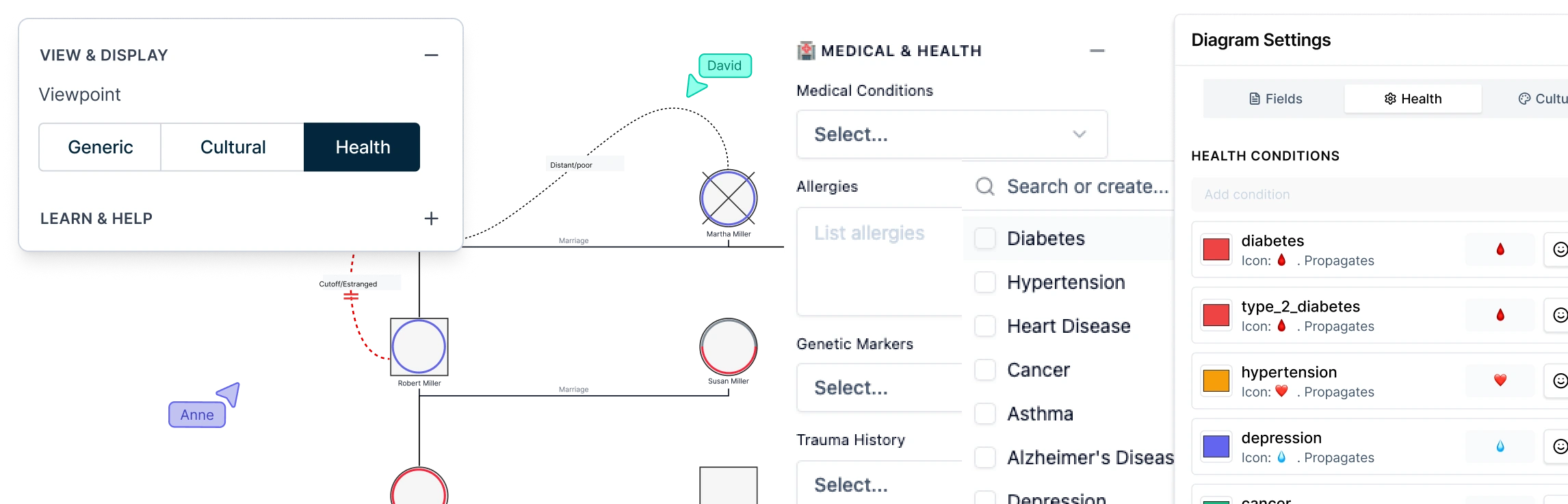
Creately’s view modes help users analyze genograms from different angles. Health view can color-code people by medical condition to reveal hereditary patterns, while culture view can help visualize cultural heritage, migration, and cross-cultural family structures.
7. Collaborate, Review, and Export
Creately supports real-time collaboration with live cursors, comments, role-based sharing, and auto-save. Once the genogram is ready, you can export it as PDF, DOCX, PNG, JPEG, SVG, or JSON for sharing, reports, research, documentation, or presentation.
Helpful Resources
Discover 10 genogram examples in therapy to visualize family relationships, emotional patterns, and medical histories.
Explore 10 examples of genograms for fictional characters, showcasing family relationships, psychological traits, and generational patterns.
Explore 10 editable examples of genograms for health history to track genetic conditions, hereditary diseases, and medical patterns across generations.
Explore 9 types of genograms for visualizing family relationships, health, and careers.
FAQs About Family Gengoram Examples
What are some real-world family genogram examples used in therapy?
How can I use a family genogram example to explore my cultural background?
What is the difference between a family genogram and a traditional family tree?
How do I choose the right type of family genogram to create?
Can a family genogram be used in professional settings like therapy or healthcare?
Resources:
Alexander, J.H., Callaghan, J.E.M. and Fellin, L.C. (2018). Genograms in research: participants’ reflections of the genogram process. Qualitative Research in Psychology, 19(1), pp.1–21. doi:https://doi.org/10.1080/14780887.2018.1545066.
Butler, J.F. (2008). The Family Diagram and Genogram: Comparisons and Contrasts. The American Journal of Family Therapy, 36(3), pp.169–180. doi:https://doi.org/10.1080/01926180701291055.
Puhlman, D., Shigeto, A., Murillo‐Borjas, G.A., Maurya, R.K. and Vincenti, V.B. (2023). Qualitative genogram analysis: A methodology for theorizing family dynamics. Journal of Family Theory & Review, 15(2), pp.276–291. doi:https://doi.org/10.1111/jftr.12496.