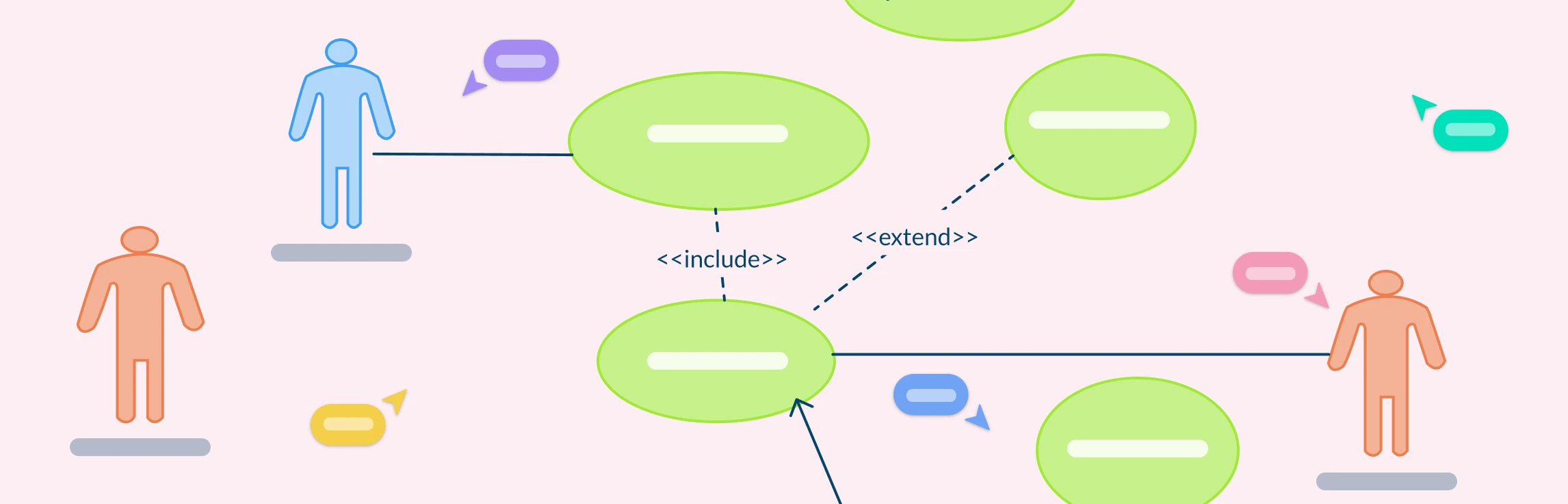
What Are Actors in Use Case Diagrams? Actors in a use case diagram represent the roles that interact with a system. They can be individuals, external systems, or organizations that exchange information or perform actions with the system being modeled. Their main purpose is to define who uses the system and what they expect it to do, helping clearly establish boundaries between the system and its environment.
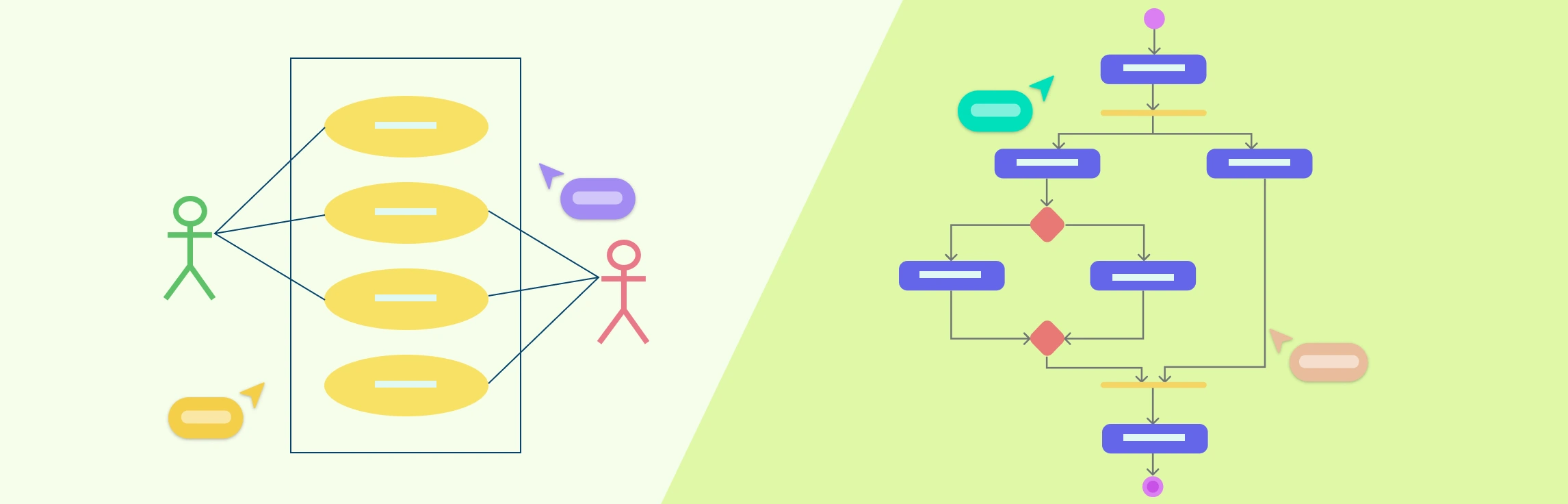
Understanding the difference between use case diagram and activity diagram is essential for anyone involved in system analysis, software design, or process modeling. While both are part of the Unified Modeling Language (UML) suite, they serve distinct purposes and visualize different aspects of a system. This guide breaks down their purposes, notations, and practical applications, helping you understand when to use each diagram, and how they complement one another.
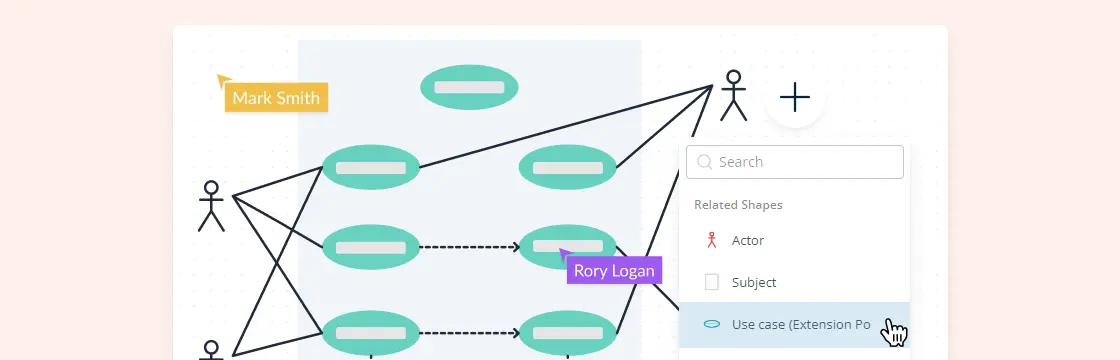
Use Case Diagram Tutorial Use case diagrams help teams visualize how people and external systems interact with a product without diving into implementation details. This guide explains what a UML use case diagram is, when to use one, which elements matter most, and how to build a diagram that clarifies scope, requirements, and stakeholder expectations.