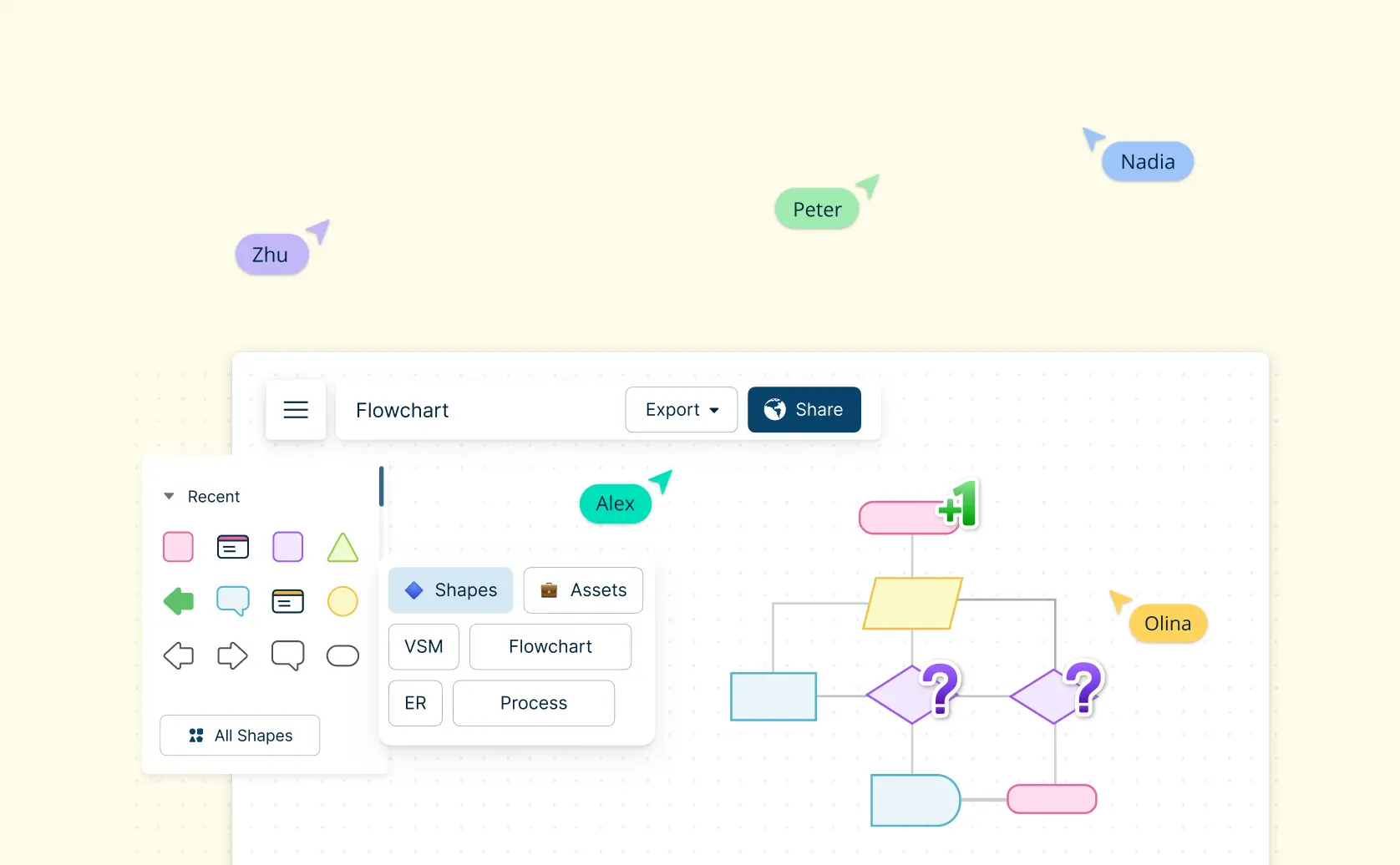
The best process management software gives teams one living repository for how work runs. It should combine clear process maps with controlled documentation, version history, named ownership, responsibility mapping, evidence, review workflows, and BPMN when formal modeling is needed.
Overview of Project Management Charts In project management, PERT Chart vs Gantt Chart emerges as a key comparison for determining the most effective approach to task scheduling and resource allocation. Both tools are indispensable for visual collaboration and offer unique perspectives on project execution. However, their methodologies and applications vary significantly, making the PERT Chart vs Gantt Chart debate crucial for project managers.
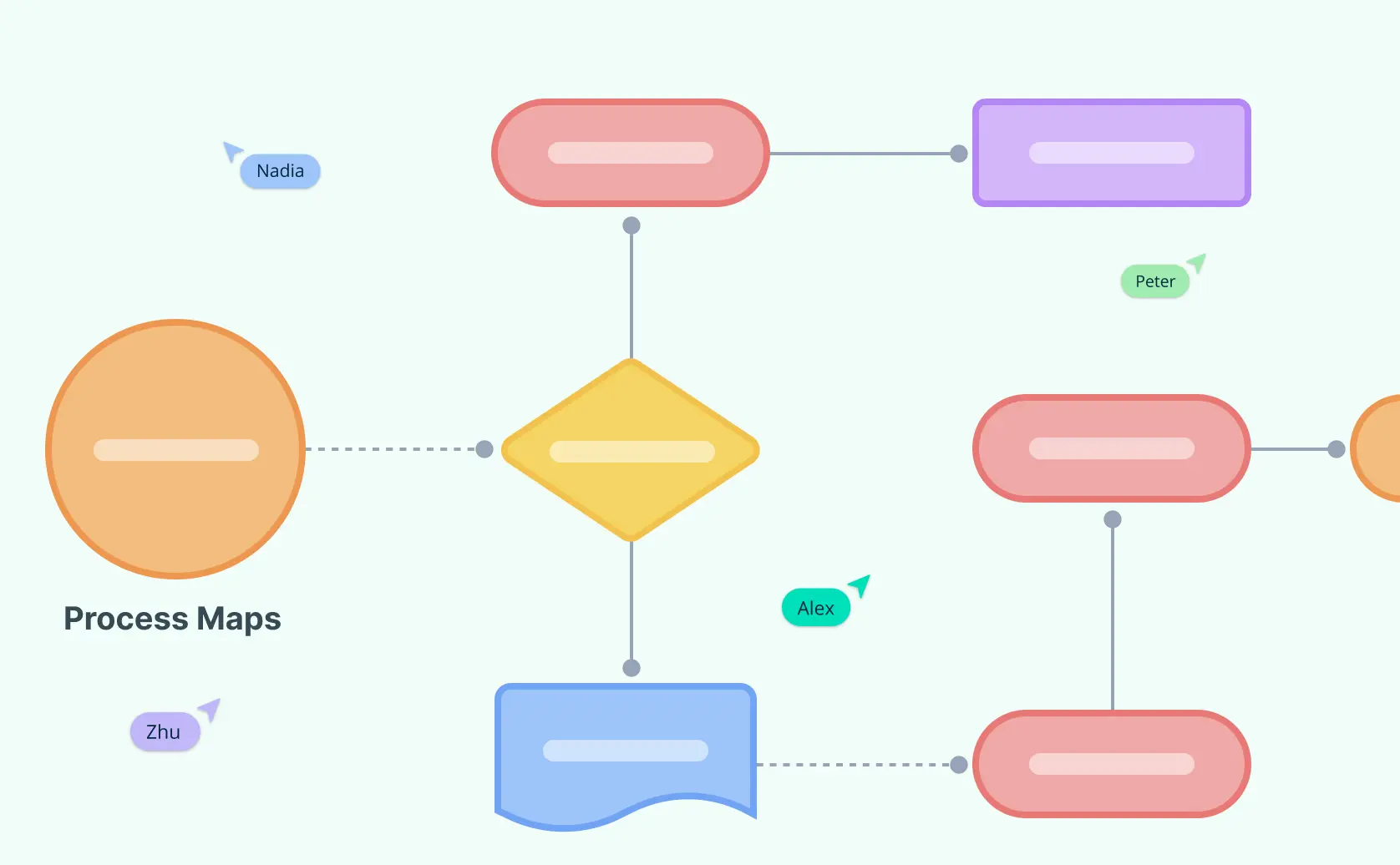
What are Process Maps? Process maps are essential tools used across various industries to visualize workflows, enabling teams to gain a comprehensive understanding of processes. They serve as visual guides that detail every step, decision point, and interaction within a process. By illustrating how tasks are connected, process maps help identify inefficiencies, streamline procedures, and enhance team collaboration.
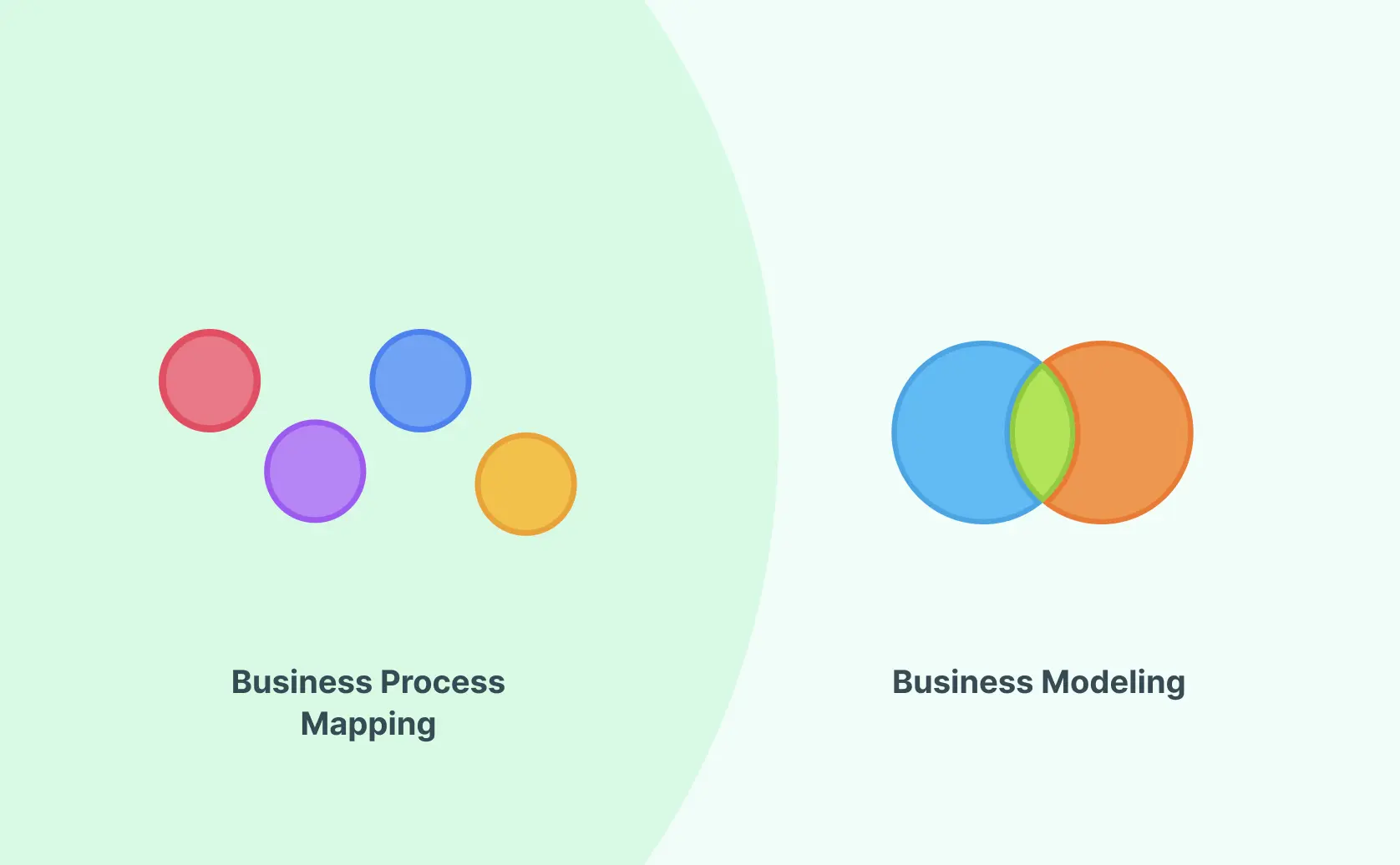
Defining Business Processes Business processes are the structured activities or tasks implemented within an organization to produce a specific service or product. At their core, they are the backbone of organizational operations, impacting everything from workflow efficiency to product quality. Understanding these processes is pivotal as it paves the way for systematic improvements and resource optimization.
Understanding Process Map vs Value Stream Map Mapping is a critical component in business process management, directly influencing the efficiency and effectiveness of operations. Two frequently used mapping tools are the process map and the value stream map, each serving distinct purposes.
Complex B2B opportunities involve more than identifying a prospect and presenting a solution. Sales teams also need to understand measurable value, buying authority, evaluation criteria, the customer’s decision process, business pain, and the people who can help build internal support.
Business process management (BPM) is an effective strategy for improving efficiency, streamlining operations, and aligning work with business goals. In practice, BPM works best when teams can see the process clearly, review it together, and keep documentation connected to how work is actually executed. This guide explains what BPM is, the different types, the lifecycle, templates, and how teams can use it to optimize operations with more consistency.