The lead generation process gives marketing and sales teams a repeatable way to attract potential buyers, capture their interest, assess fit and intent, nurture relationships, and hand qualified leads to sales. This guide explains the seven core steps, compares inbound and outbound methods, and shows how to measure and improve the flow.
What is Lead Generation?
Lead generation is the process of attracting people or organizations that may benefit from a product or service and encouraging them to share enough information for a relevant follow-up. A lead is not yet a customer, and not every lead should be sent directly to sales. Effective processes distinguish initial interest from genuine fit and buying intent.
In marketing and sales, a lead is a person or organization that has indicated potential interest, such as by completing a form, subscribing to updates, requesting information, or engaging in another defined way. Learn how this differs from creating broader market interest in Creately’s guide to lead generation vs. demand generation.
Inbound vs Outbound Lead Generation
The lead generation process can broadly be categorized into two main strategies: inbound and outbound lead generation. Here’s how they differ:
Inbound lead generation: Attracts potential buyers through useful content, organic search, social media, events, referrals, and other channels where people discover or seek out the business.
Outbound lead generation: Initiates contact with a defined audience through methods such as prospecting emails, calls, direct mail, account-based outreach, and advertising. It can be useful when a business needs to reach a specific market rather than wait for prospects to discover it.
Many businesses combine the two approaches. The right mix depends on audience behavior, deal size, sales cycle, consent requirements, available data, and channel economics. Compare lead quality and customer acquisition cost—not just lead volume—when deciding where to invest.
A sales funnel template can help teams visualize how prospects move from awareness toward qualification and purchase.
Lead Generation Process: Why Your Business Needs It
Understanding the pivotal role of the lead generation process in a business’s success is essential. Not only does it significantly impact revenue, but it also enhances brand awareness and positions a company competitively in the market. Let’s delve into why mastering the art of lead generation is indispensable for your business growth and market presence.
Revenue Growth from Lead Generation
Lead generation can contribute to revenue when targeting, qualification, nurturing, and sales follow-up work together. The process should prioritize suitable prospects and make conversion performance measurable. Marketing automation can support timely nurturing and follow-up, but its impact depends on data quality, campaign design, consent, and coordination with sales.
Brand Loyalty and Market Position
Relevant, permission-aware communication can build familiarity and trust over time. Brand loyalty, however, depends on the complete customer experience—not lead generation alone. Personalization should use appropriate data and give recipients meaningful control over communications.
Additionally, maintaining active lead generation efforts ensures businesses remain competitive and relevant. Conducting a Competitive Analysis helps in understanding market dynamics, allowing companies to attract and convert more leads into loyal customers.
In summary, lead generation helps create a measurable route from initial interest to a qualified sales conversation. Sustainable growth still depends on product fit, sales execution, customer experience, and retention after acquisition.
What Is Lead Generation in Digital Marketing?
Lead generation in digital marketing is the process of attracting and capturing potential customers’ interest in a product or service through various online channels. The goal is to gather contact information, such as email addresses and phone numbers, which can be used to nurture these leads until they are ready to make a purchase. Effective lead generation strategies help businesses build a pipeline of potential customers, ultimately driving sales and growth.
Important Digital Channels for Lead Generation
- Search Engines: Leveraging SEO and PPC to attract visitors actively searching for related products or services.
- Social Media: Engaging with potential leads on platforms such as LinkedIn, Facebook, Instagram, and X through organic content and paid campaigns.
- Email: Building and nurturing an email list through newsletters, automated campaigns, and personalized outreach.
- Webinars and Online Events: Hosting live or recorded sessions to provide value and capture attendee information.
- Content Marketing: Using blogs, videos, infographics, and other content types to draw in and engage your audience.
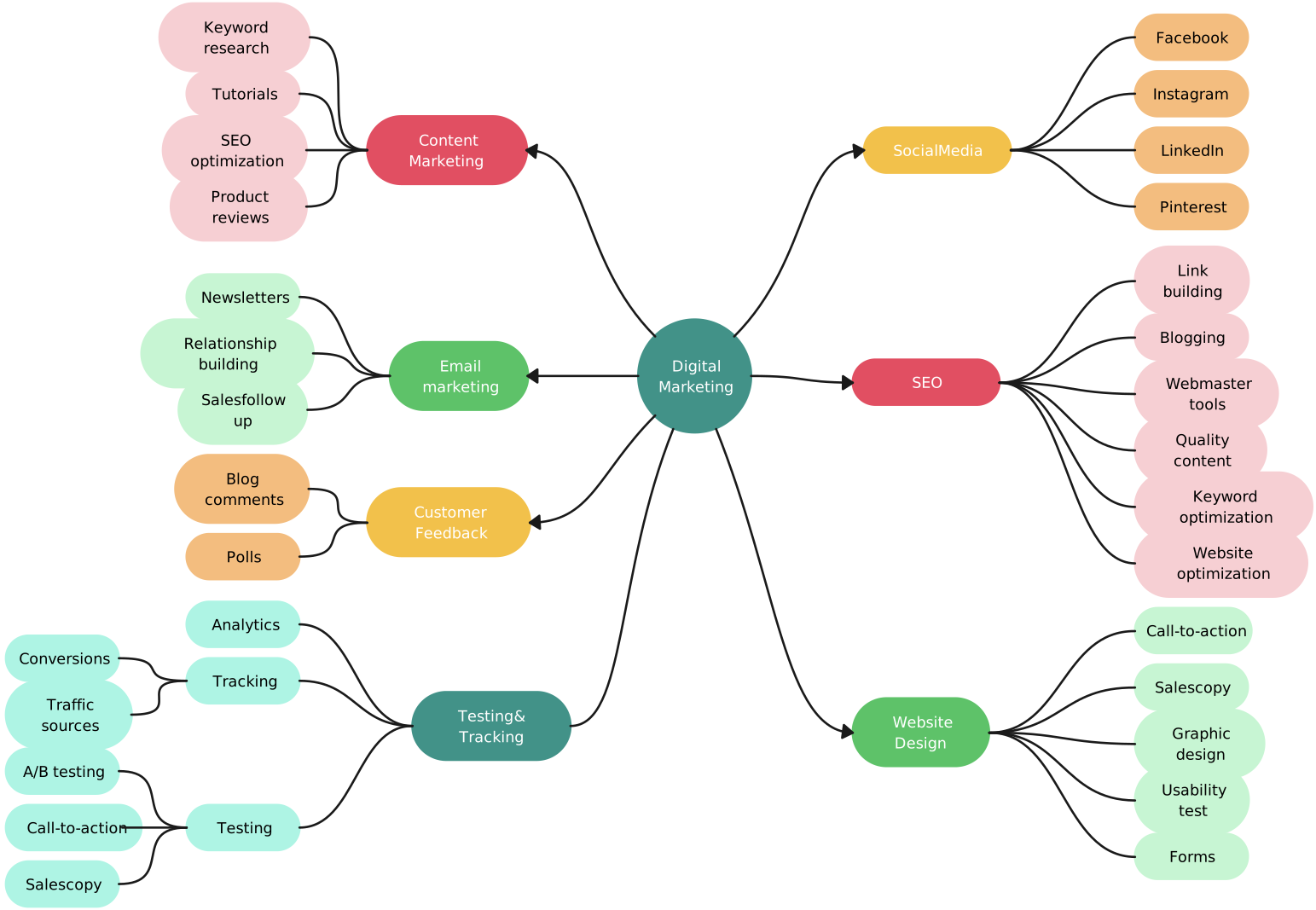
Check out Creately’s digital marketing mind map template for a thorough overview of digital channels.

Benefits of Lead Generation in Digital Marketing
- Targeted Outreach: Focusing efforts on individuals who have shown interest in your offerings.
- Measurable Results: Tracking and analyzing performance to understand what works and where to improve.
- Budget Control: Comparing cost per lead and acquisition outcomes across channels to allocate spend more deliberately.
- Relationship Building: Building relationships with potential customers over time, increasing the likelihood of conversion.
By implementing effective lead generation strategies in digital marketing, businesses can create a consistent flow of potential customers, nurture them through the buying process, and ultimately drive growth and revenue.
Top Strategies and Techniques for Effective Lead Generation Processes
Effective lead generation strategies are crucial for attracting potential customers and converting them into leads. Here are some key strategies that can help in generating high-quality leads:
1. Content Marketing
- Blog Posts: Write informative and engaging articles that address your audience’s pain points and interests.
- Ebooks and Whitepapers: Offer in-depth guides and reports that provide valuable insights in exchange for contact information.
- Videos: Create explainer videos, tutorials, and product demos to engage your audience visually.
- Webinars: Host live webinars on relevant topics and collect attendee information.
Check out Creately’s content marketing plan template:

2. Search Engine Optimization (SEO)
- Keyword Optimization: Use relevant keywords throughout your content to improve search engine rankings.
- Quality Content: Create and maintain useful content that satisfies the audience’s search intent.
- Relevant Links: Earn links from trustworthy, contextually relevant websites by publishing resources worth citing.
- Technical SEO: Ensure pages are crawlable, usable on mobile devices, and performant. Learn more about SEO for a startup.
3. Pay-Per-Click (PPC) Advertising
- Google Ads: Use targeted keywords to create ads that appear in search engine results.
- Social Media Ads: Run campaigns on the platforms your audience uses, such as LinkedIn, Facebook, Instagram, or X.
- Retargeting: Show ads to users who have previously visited your site to encourage them to return and convert.
4. Social Media Marketing
- Organic Posts: Share valuable content and engage with followers on your social media channels.
- Paid Social Ads: Use paid advertising to reach a larger audience.
- Social Media Contests: Run contests and giveaways to increase engagement and capture leads.
- Influencer Partnerships: Collaborate with influencers to reach their followers and generate leads.
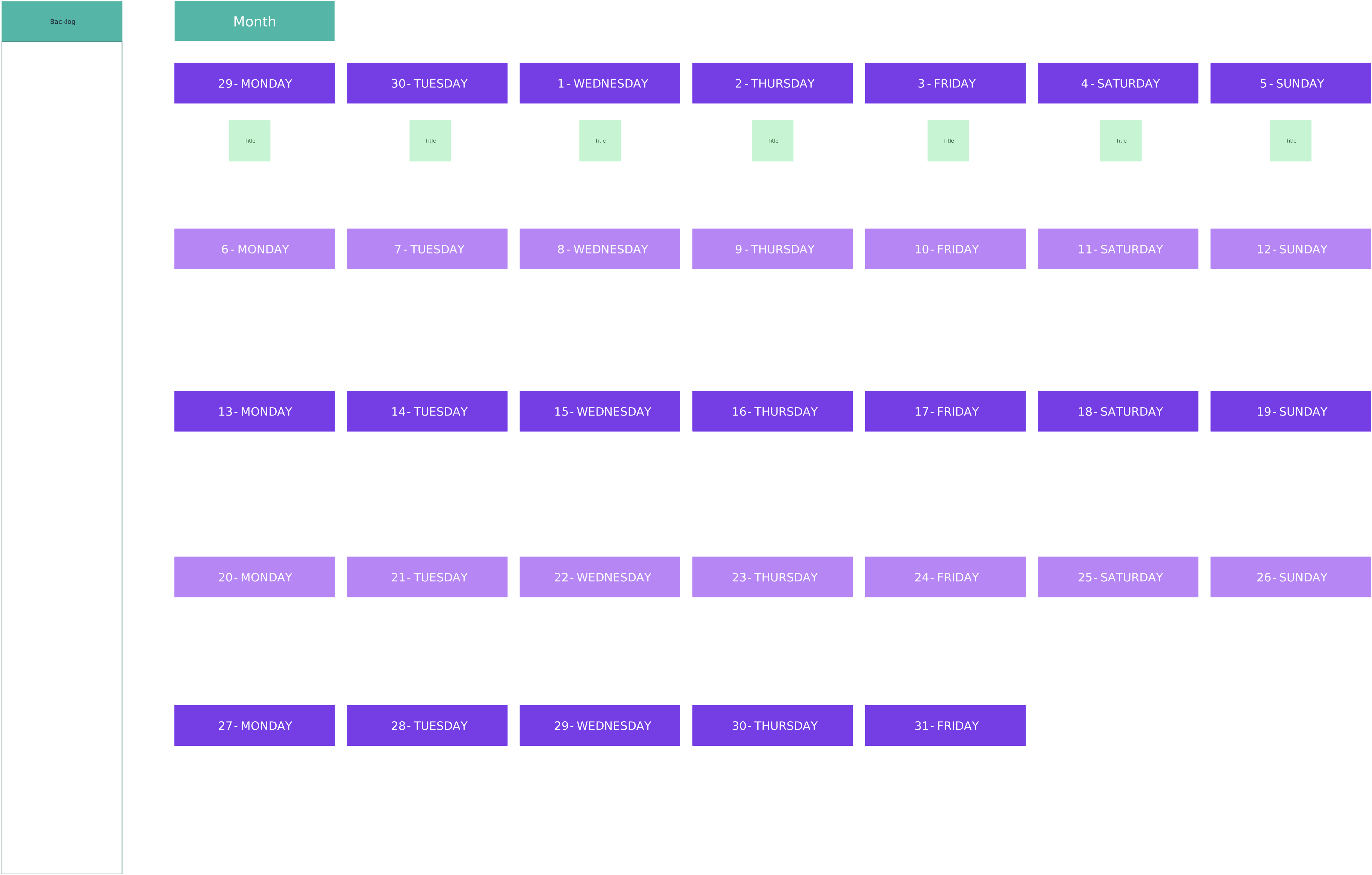
Visualize your content strategy by scheduling posts using Creately’s social media content tracker:
5. Email Marketing
- Lead Nurturing Campaigns: Send a series of emails to educate and build relationships with your leads.
- Personalized Emails: Tailor your emails based on the recipient’s behavior and preferences.
- Automated Workflows: Set up automated email sequences to send timely and relevant content.
6. Lead Magnets
- Free Trials and Demos: Offer free trials or product demos to give potential customers a taste of your offering.
- Discounts and Coupons: Provide special offers and discounts in exchange for contact information.
- Gated Content: Offer access to premium content (e.g., case studies, exclusive reports) behind a sign-up form.
7. Landing Pages
- Optimized Design: Create dedicated landing pages with clear calls-to-action (CTAs) and minimal distractions.
- A/B Testing: Continuously test different elements of your landing pages to improve conversion rates.
- Relevant Offers: Ensure your landing page offer aligns with the needs and interests of your target audience.
8. Webinars and Online Events
- Interactive Sessions: Host webinars and virtual events to engage directly with your audience.
- Follow-Up: Collect attendee information and follow up with additional resources and offers.
- On-Demand Access: Offer recordings of your webinars for those who couldn’t attend live.
9. Referral Programs
- Incentivize Referrals: Encourage existing customers to refer new leads by offering rewards or discounts.
- Easy Sharing: Make it simple for customers to share referral links through social media and email.
10. Customer Relationship Management (CRM)
- Lead Tracking: Use a CRM system to track and manage interactions with leads.
- Personalization: Utilize CRM data to tailor communication and offers based on lead behavior.
- Automated Follow-Up: Set up automated workflows to ensure timely follow-ups with leads.
11. Partnerships and Affiliate Marketing
- Partner Collaborations: Collaborate with other businesses to co-host events, create content, or run joint promotions.
- Affiliate Programs: Offer commissions to affiliates who refer leads to your business.
12. Interactive Content
- Quizzes and Surveys: Create interactive quizzes and surveys that capture lead information.
- Calculators and Tools: Offer useful online tools (e.g., ROI calculators) that require users to enter their details.
13. Networking and Events
- Industry Conferences: Attend or sponsor industry events and collect leads through direct interactions.
- Trade Shows: Participate in trade shows and collect leads through booth visits and networking.
14. Public Relations (PR)
- Media Coverage: Gain exposure through media coverage and press releases.
- Guest Blogging: Write guest posts for reputable blogs and publications in your industry.
Choose the strategies that match your audience and buying cycle, then compare lead quality, conversion rate, acquisition cost, and sales outcomes. More channels do not automatically produce a better lead generation process.
Lead Generation Process Flow
A lead generation process flow shows how a prospect moves from initial awareness to capture, qualification, nurturing, sales handoff, conversion, and analysis. Mapping the flow makes decision criteria, ownership, data requirements, and handoffs visible. It also helps marketing and sales review where qualified leads stall or lose context.
The seven-step flow below can be adapted to your channels, qualification model, CRM, and sales process:
1. Identify Target Audience
Before creating content, it’s essential to understand who your target audience is, what their pain points are, and what solutions they are looking for. This helps in tailoring your diagrams and flowcharts to address their specific needs.
- Research and define: Understand your ideal customer profile and target audience.
- Segment: Divide your audience into segments based on demographics, behavior, and interests.
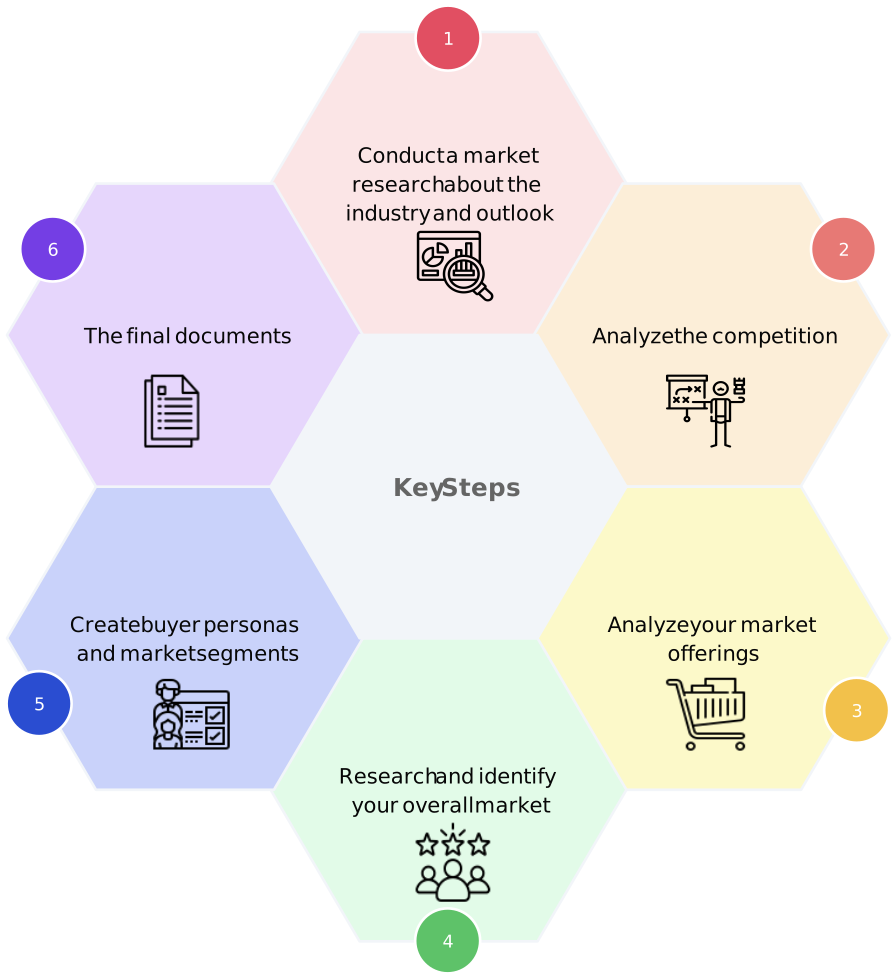
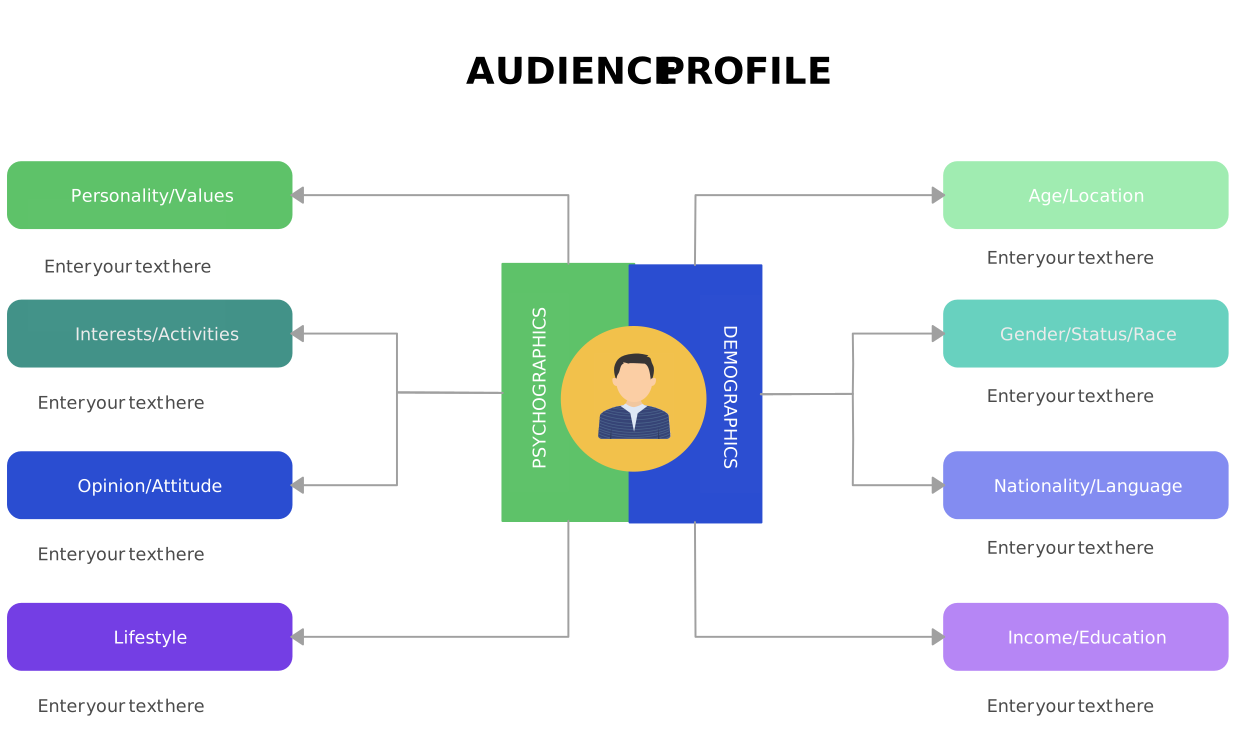
Use templates like target audience analysis and audience profile offered by Creately.
2. Attract Traffic
- Content marketing: Create and distribute useful content, such as articles, videos, and social posts, that addresses the audience’s questions and needs.
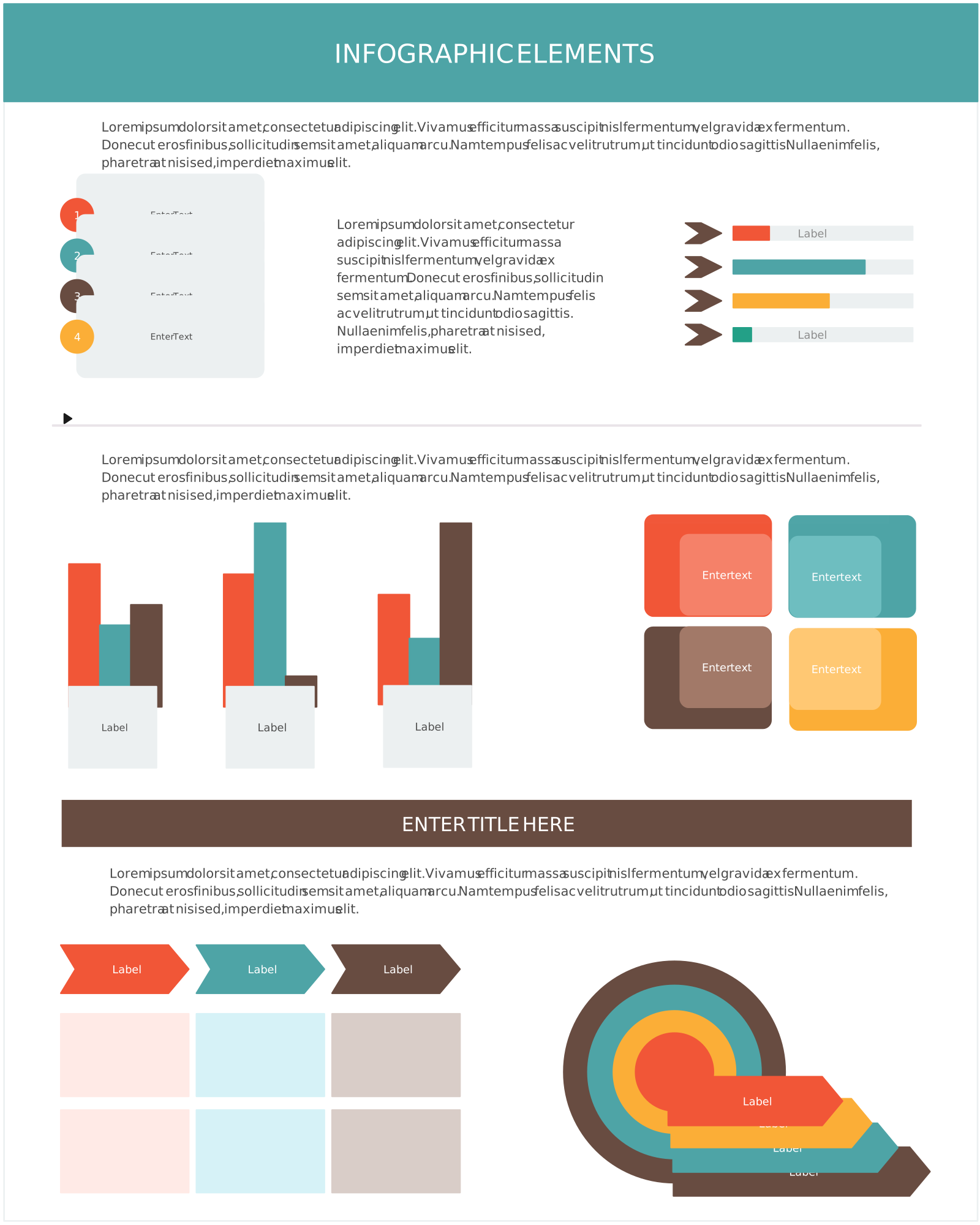
- Infographics: Visual representations of industry trends, statistics, or key information that are easily shareable.
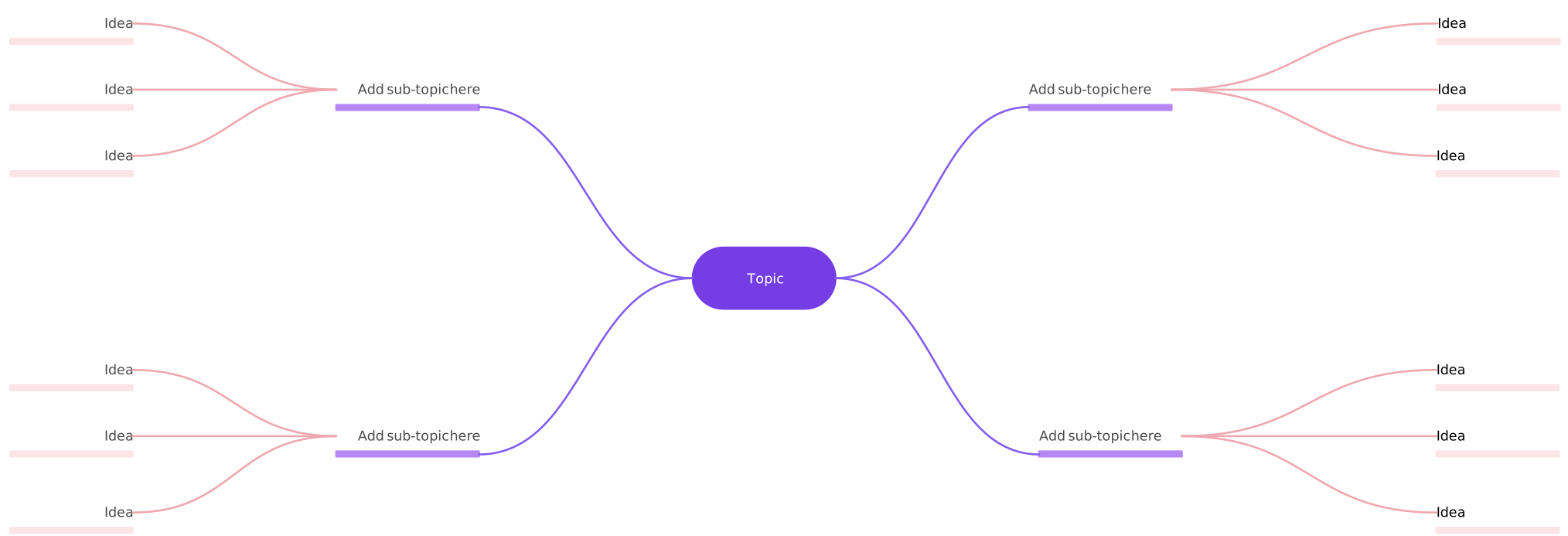
- Mind Maps and Templates: Visual brainstorming sessions on popular topics or new ideas in your field. Use customizable templates for processes or frameworks that your audience can use in their own work.
- SEO: Optimize your website and content for search engines to increase organic traffic. Use relevant keywords in the titles and descriptions. Add alt text to images and diagrams. Create accompanying blog posts or articles that elaborate on the content and include targeted keywords.
- PPC advertising: Use paid ads on platforms like Google Ads and social media to drive targeted traffic.
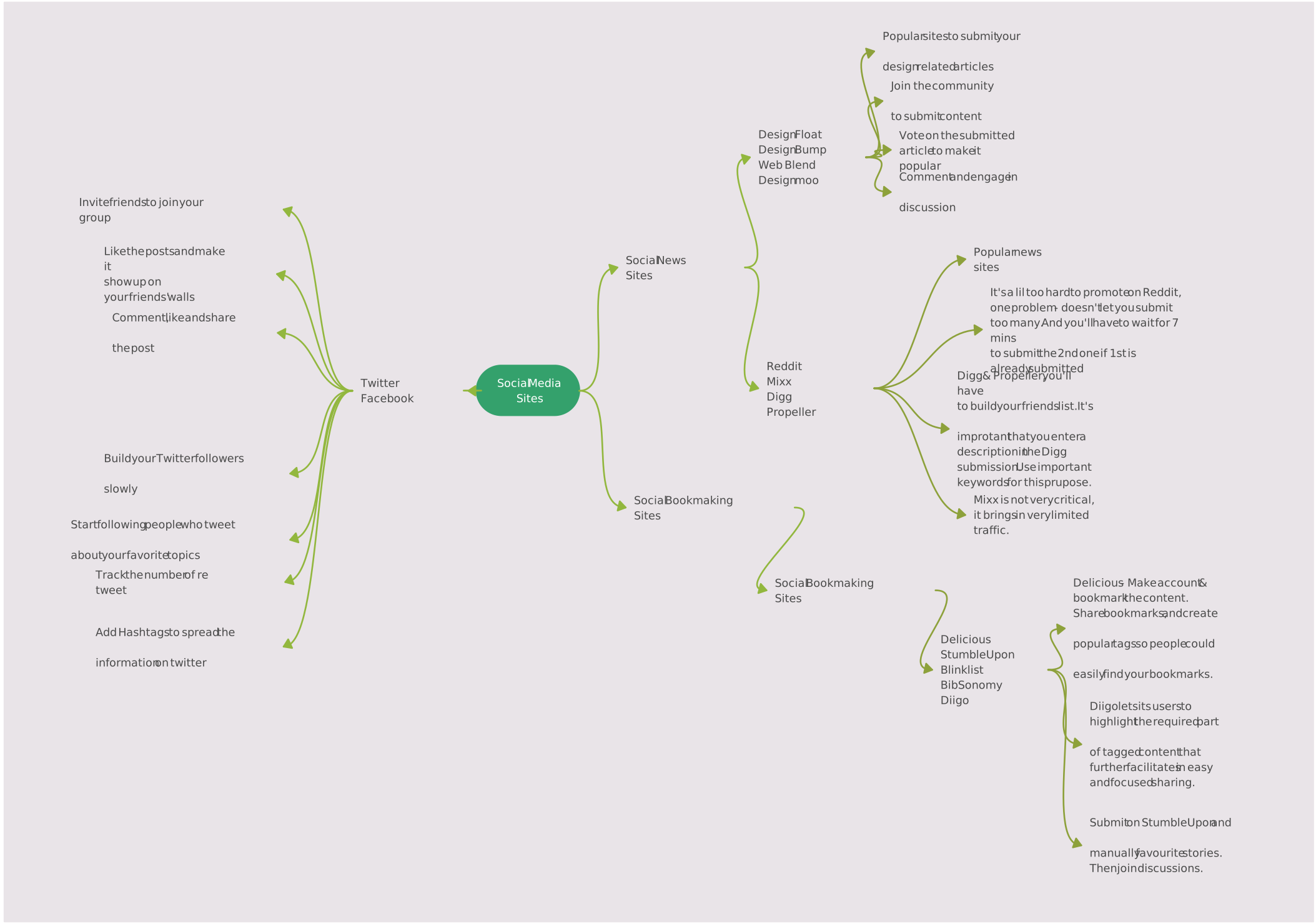
- Social media: Engage with your audience on social media platforms to attract visitors. Promote your content on social media platforms and through email marketing campaigns. Use engaging visuals and compelling copy to draw attention and encourage shares, likes, and clicks.
3. Capture Leads
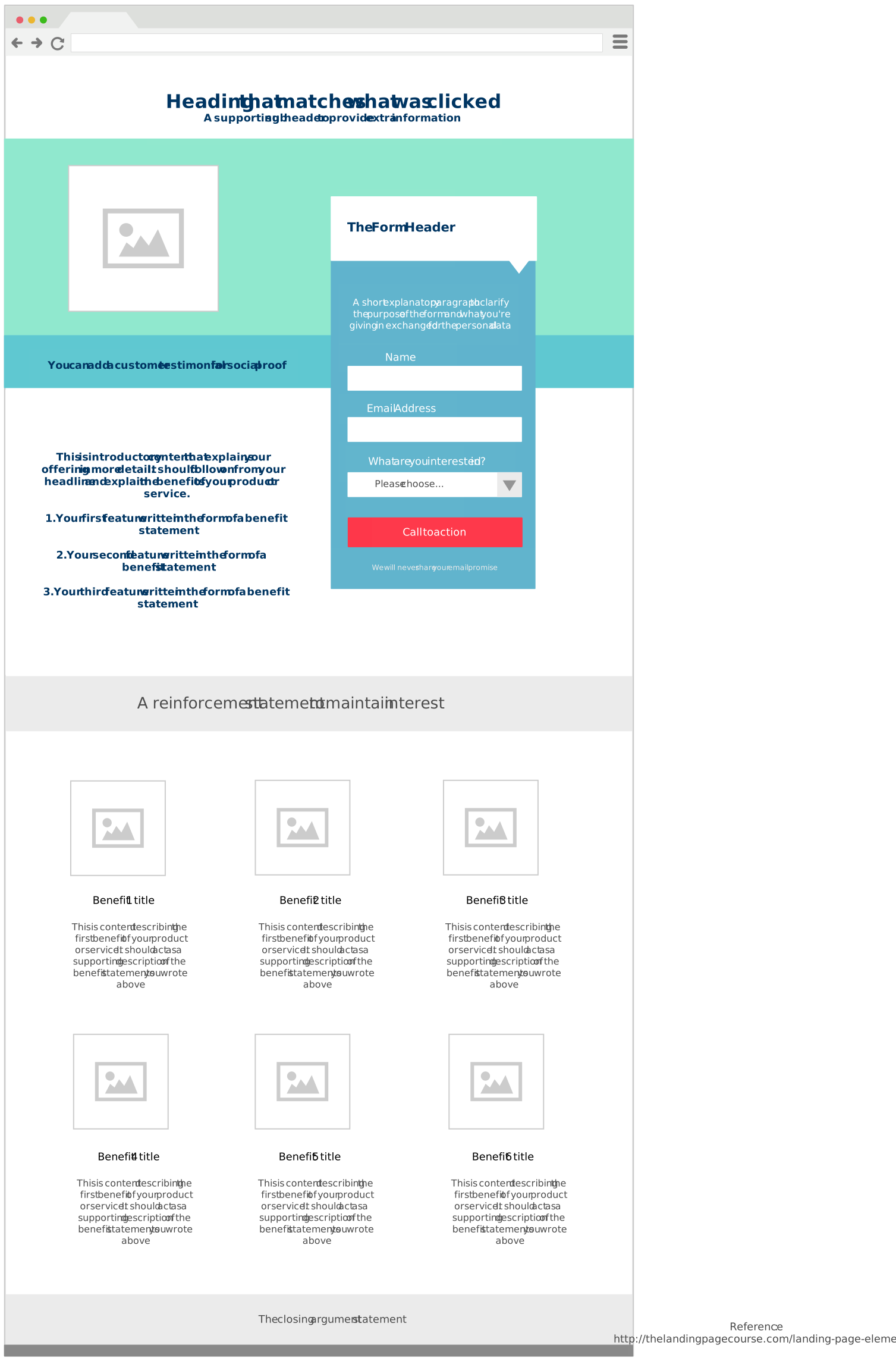
- Landing pages: Create focused landing pages with a relevant offer, clear headline, concise explanation of value, appropriate form, and specific call to action. Remove unnecessary distractions and explain what the visitor will receive after submitting the form.
- Lead magnets: Offer something valuable (e-book, free trial, discount) in exchange for contact information.
- Forms and CTAs: Use forms on your website and blog to capture lead information (name, email, etc.).
4. Qualify Leads
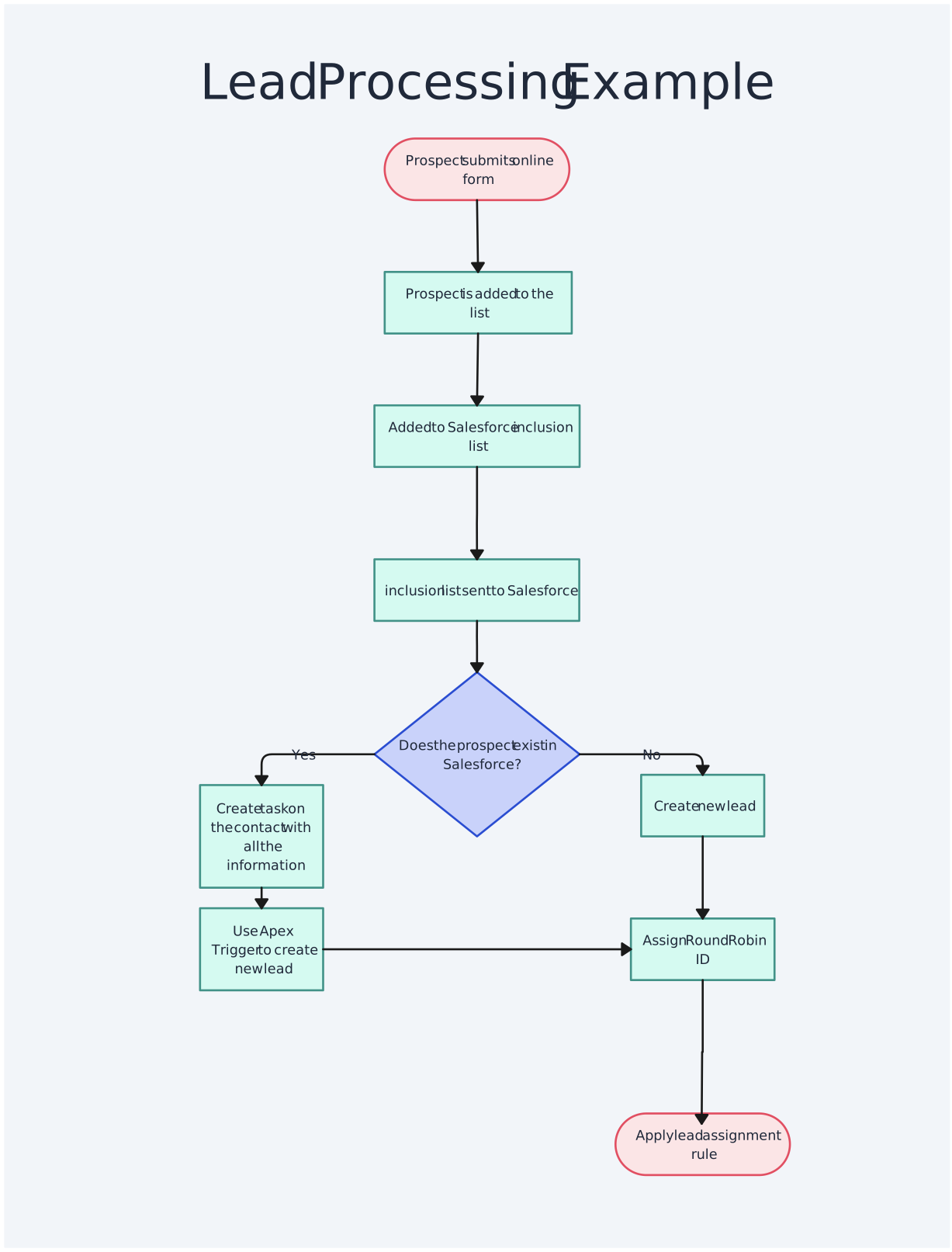
- Initial qualification: Use forms to ask qualifying questions (e.g., budget, company size).
- Lead scoring: Assign scores to leads based on their interactions and engagement level.
- CRM integration: Use Customer Relationship Management (CRM) software to manage and track leads.
5. Nurture Leads
- Email marketing: Send targeted email campaigns to nurture leads with personalized content.
- Drip campaigns: Deliver a planned sequence of useful content over time based on the lead’s needs and stage.
- Retargeting ads: Use retargeting to show ads to leads who have previously interacted with your site.
6. Convert Leads
- Sales handoff: Pass qualified leads to the sales team for direct engagement.
- Sales follow-up: Sales reps follow up with leads via calls, emails, or meetings.
- Close the deal: Convert leads into customers through effective sales techniques.
7. Analyze and Optimize
Monitor the performance of content. Use analytics tools to track engagement, shares, and conversions. Based on this data, refine your content and strategies to improve lead generation outcomes.
- Track performance: Use analytics tools to measure the effectiveness of your lead generation efforts.
- Optimize campaigns: Continuously refine and improve your strategies based on data and feedback.
- Feedback loop: Incorporate insights from sales and customer feedback to enhance the process.
Use Creately’s process mapping software to document the lead journey as an operational workflow rather than treating the diagram as lead-capture software. Teams can:
- Map campaign entry points, qualification decisions, nurturing paths, and marketing-to-sales handoffs with flowchart shapes and connectors.
- Add structured details such as owners, status, duration, systems, and tags to relevant steps so responsibilities and process context remain visible.
- Connect instructions and related subprocess diagrams to the map, helping it function as living documentation as campaigns and qualification rules change.
- Edit together in real time and use live cursors, threaded comments, and @mentions for contextual feedback. The accountable process owner can incorporate agreed updates into the map.
- Generate a starting flowchart from a plain-language prompt with AI, then review and refine it before adopting it as process documentation.
Continue using your CRM, marketing automation platform, analytics tools, consent-management system, and other systems of record for lead data, campaign execution, formal approvals, and reporting.
How to Qualify and Score Leads for Better Conversion
Understanding the nuances of lead qualification and scoring is pivotal in optimizing the lead generation process. By effectively categorizing leads based on their readiness and potential value, businesses can streamline their sales efforts and enhance conversion rates. This section delves into the fundamentals of lead scoring and practical strategies for qualifying leads, ensuring they are primed for sales engagement.
Lead Scoring Fundamentals
Lead scoring is a method for prioritizing prospects using agreed signals of fit and engagement. A model may assign points, use categories, or combine both. It should be validated against actual sales outcomes and reviewed as audience behavior changes. Common inputs include:
- Engagement with content and marketing materials
- Demographic information aligning with the ideal customer profile
- Behavioral data indicating buying intent
These signals can help distinguish a marketing-qualified lead (MQL) from a sales-qualified lead (SQL). Product-led businesses may also define a product-qualified lead (PQL) using meaningful product activity. Definitions and thresholds vary by organization, so marketing and sales should document and review them together.
Qualifying Leads for Sales Readiness
Qualifying leads effectively ensures that only the most promising prospects are forwarded to the sales team, which enhances efficiency and increases the likelihood of conversion. Techniques for effective lead qualification include:
- Analyze how leads interact with campaigns and document the findings in a measurable marketing plan.
- Use of marketing automation tools to track lead behavior.
- Regular updates and refinement of lead scoring criteria based on outcomes.
A shared process map can document scoring inputs, qualification thresholds, exception paths, ownership, and the point at which a lead is handed to sales. Keep prospect records and calculated scores in the appropriate CRM or marketing automation system.
Together, these practices can help sales focus on suitable prospects and give marketing clearer feedback on lead quality. Monitor conversion and revenue outcomes to determine whether the qualification model is actually improving performance.
Lead generation can break down when targeting, content, conversion paths, data, or team handoffs are poorly defined. The following challenges and responses provide a practical starting point:
1. Low-Quality Leads
Challenge: Attracting leads that do not fit your ideal customer profile, resulting in low conversion rates.
Solutions:
- Better Targeting: Use appropriate data and customer segmentation to refine targeting.
- Clear Value Propositions: Clearly articulate the benefits of your products or services to attract the right audience.
- Lead Scoring: Implement lead scoring to prioritize leads based on their likelihood to convert.
2. Lack of Content
Challenge: Insufficient or irrelevant content can fail to attract and engage potential leads. Use this guide to troubleshoot a content marketing plan.
Solutions:
- Content Strategy: Develop a content marketing strategy that addresses the needs and interests of your target audience.
- Diverse Content Types: Produce a variety of content formats (blogs, videos, infographics) to cater to different preferences.
- Regular Updates: Keep your content fresh and updated to maintain relevance.
3. Poor Conversion Rates
Challenge: High traffic but low conversion rates on landing pages and forms.
Solutions:
- Landing Page Optimization: Design landing pages with clear CTAs, minimal distractions, and persuasive copy.
- A/B Testing: Continuously test and optimize landing page elements such as headlines, images, and forms.
- User Experience (UX): Ensure your website and landing pages are user-friendly and mobile-optimized.
4. Budget Constraints
Challenge: Limited budget can restrict the reach and effectiveness of lead generation campaigns.
Solutions:
- Cost-Effective Channels: Focus on cost-effective lead generation channels such as SEO, content marketing, and social media.
- Prioritize High-ROI Activities: Invest in activities that have proven to deliver high returns on investment.
- Monitor and Adjust: Regularly review campaign performance and reallocate budget to the best-performing strategies.
5. Data Management Issues
Challenge: Poor data management can lead to inefficiencies and lost leads.
Solutions:
- CRM Systems: Implement a robust Customer Relationship Management (CRM) system to manage and track leads efficiently.
- Data Cleanliness: Regularly clean and update your lead database to ensure accuracy.
- Automation: Use marketing automation tools to streamline lead management and follow-up processes.
6. Misalignment Between Marketing and Sales
Challenge: Lack of coordination between marketing and sales teams can result in missed opportunities and inefficiencies.
Solutions:
- Alignment Meetings: Hold regular meetings between marketing and sales teams to ensure alignment on goals and strategies.
- Shared Metrics: Use shared metrics and KPIs to track progress and hold both teams accountable.
- Feedback Loop: Create a feedback loop where sales provide insights on lead quality and marketing adjusts strategies accordingly.
7. Changing Market Dynamics
Challenge: Rapid changes in market conditions and customer behavior can make lead generation strategies obsolete.
Solutions:
- Stay Informed: Keep up-to-date with industry trends and market changes.
- Agility: Be ready to pivot and adapt your lead generation strategies as needed.
- Customer Feedback: Regularly gather and act on customer feedback to stay aligned with their needs and preferences.
8. Compliance and Privacy Concerns
Challenge: Navigating data privacy regulations (e.g., GDPR, CCPA) can be complex and challenging.
Solutions:
- Compliance Training: Ensure your team is well-trained in data privacy regulations and compliance.
- Transparent Practices: Implement transparent data collection and management practices.
- Consent Management: Use consent management tools to ensure compliance with privacy regulations.
By addressing these challenges with targeted strategies, businesses can enhance their lead generation efforts and improve their ability to attract and convert high-quality leads.
Measuring Success: Analyzing Lead Generation Trends and Statistics for Strategic Insights
Measure the lead generation process as a connected funnel rather than judging channels by lead volume alone. Useful metrics include:
- Visitor-to-lead conversion rate: The percentage of relevant visitors who complete the intended lead action.
- Cost per lead: Campaign spend divided by the number of leads generated. Review this alongside quality because a low-cost lead may still be unlikely to convert.
- MQL-to-SQL conversion rate: The percentage of marketing-qualified leads accepted as sales-qualified under your documented criteria.
- Lead-to-customer conversion rate: The percentage of leads that become customers within the selected reporting period.
- Time to qualification and sales handoff: How long a lead remains in each stage before the next owner acts.
- Pipeline and revenue contribution: The opportunities and revenue associated with leads from each source, interpreted using an agreed attribution model.
- Disqualification and loss reasons: The recurring reasons leads are rejected, stall, or leave the funnel.
Review these metrics by source, campaign, segment, and reporting period. Use CRM and analytics data to test changes to targeting, content, forms, scoring rules, nurturing, and handoffs. AI can assist with analysis or content production, but teams should validate outputs, protect personal data, and keep people accountable for qualification and campaign decisions.
Conclusion
An effective lead generation process connects audience research, channel strategy, lead capture, qualification, nurturing, sales handoff, and performance analysis. Define the owner and success criteria for each stage, document qualification rules, and use CRM and campaign data to identify where suitable prospects progress or drop out.
Treat the process map as living documentation. Marketing, sales, and operations should review it when channels, forms, scoring rules, service-level expectations, or customer behavior change. The goal is not simply to generate more names; it is to create a transparent, measurable path from relevant interest to an appropriate sales conversation.