Can employees’ departure from an organization be as smooth as their arrival? Yes of course! This is where the employee exit process comes into play.
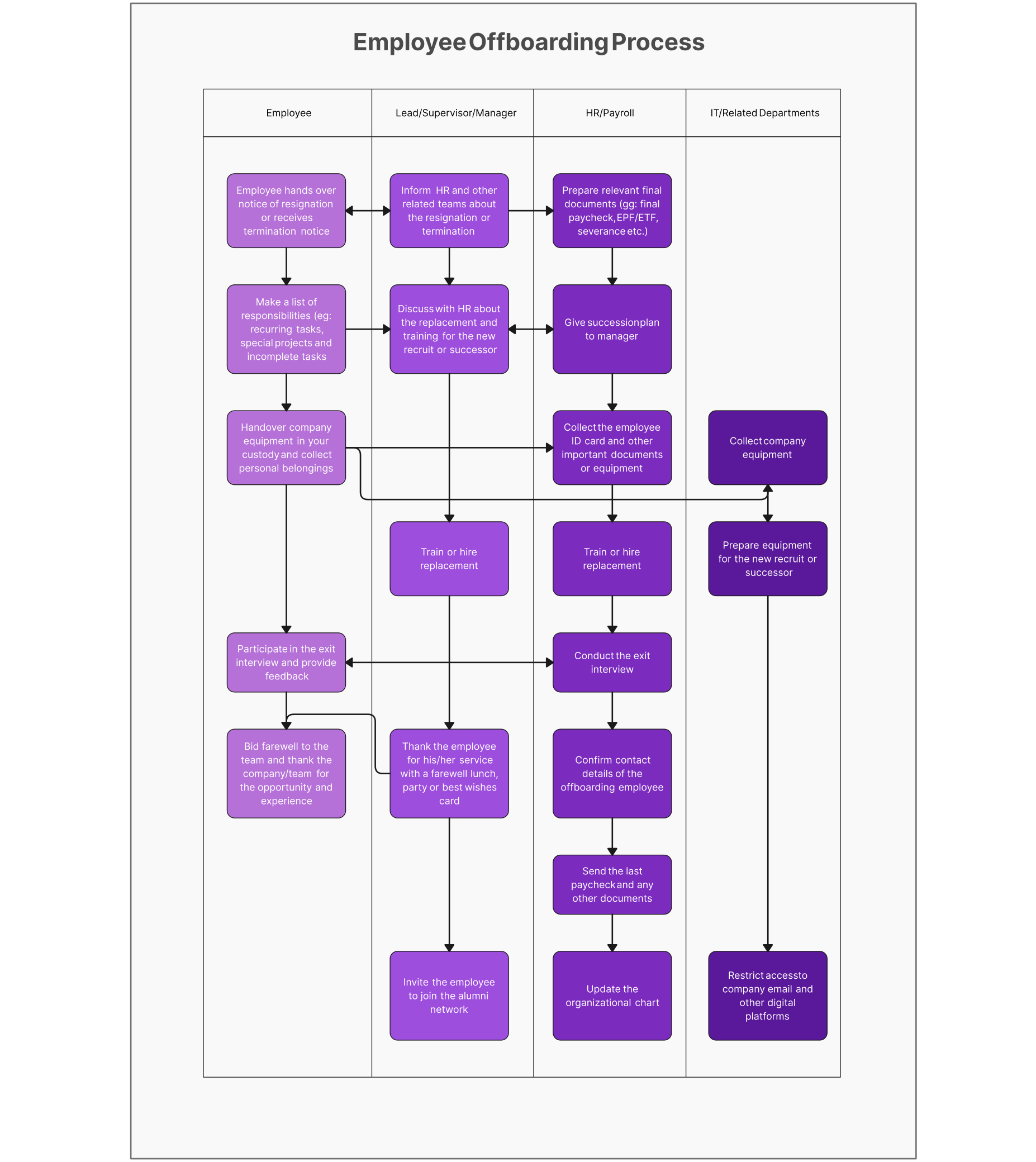
When an employee decides to leave a company, it is important for your company to have a well-structured employee exit process in place. The employee exit process, also known as offboarding, ensures a smooth transition for both the departing employee and the company. In this blog post, we will explore what an employee exit process entails, the steps involved, best practices to follow, and its significance to HR teams.
What Is an Employee Exit Process?
The employee exit process is a set of procedures that companies follow when an employee leaves the organization. It involves various administrative tasks, knowledge transfer, and formalities to ensure a seamless departure and minimize any disruption to the organization’s operations.
The exit process also includes collecting the employee’s belongings and finalizing any outstanding payments. All of these steps are necessary to ensure that the employee’s departure is managed professionally and that any potential legal issues that may arise are handled properly. Additionally, providing a letter of recommendation can help the employee find their next job quickly and easily.

Why Does Your Company Need an Employee Exit Process?
When an employee decides to leave, companies may have to deal with:
- Delays and inefficiencies due to inconsistent offboarding
- Making sure that company reputation is not compromised
- Transferring knowledge fast and efficiently
- Legal documentation
- Emotional complexities
The employee exit process ensures that all these are dealt with in a timely and diligent manner. Plus, there are benefits to it as well.
- Facilitates a smooth transition by minimizing the impact that an employee departure has on the team.
- Doesn’t disrupt the continuity of knowledge as there is ample time and space for the departing employee to train a replacement or hand over duties to a colleague.
- You can use feedback from the outgoing employees to improve the employee experience for current and future team members.
Employee Exit Process Checklist
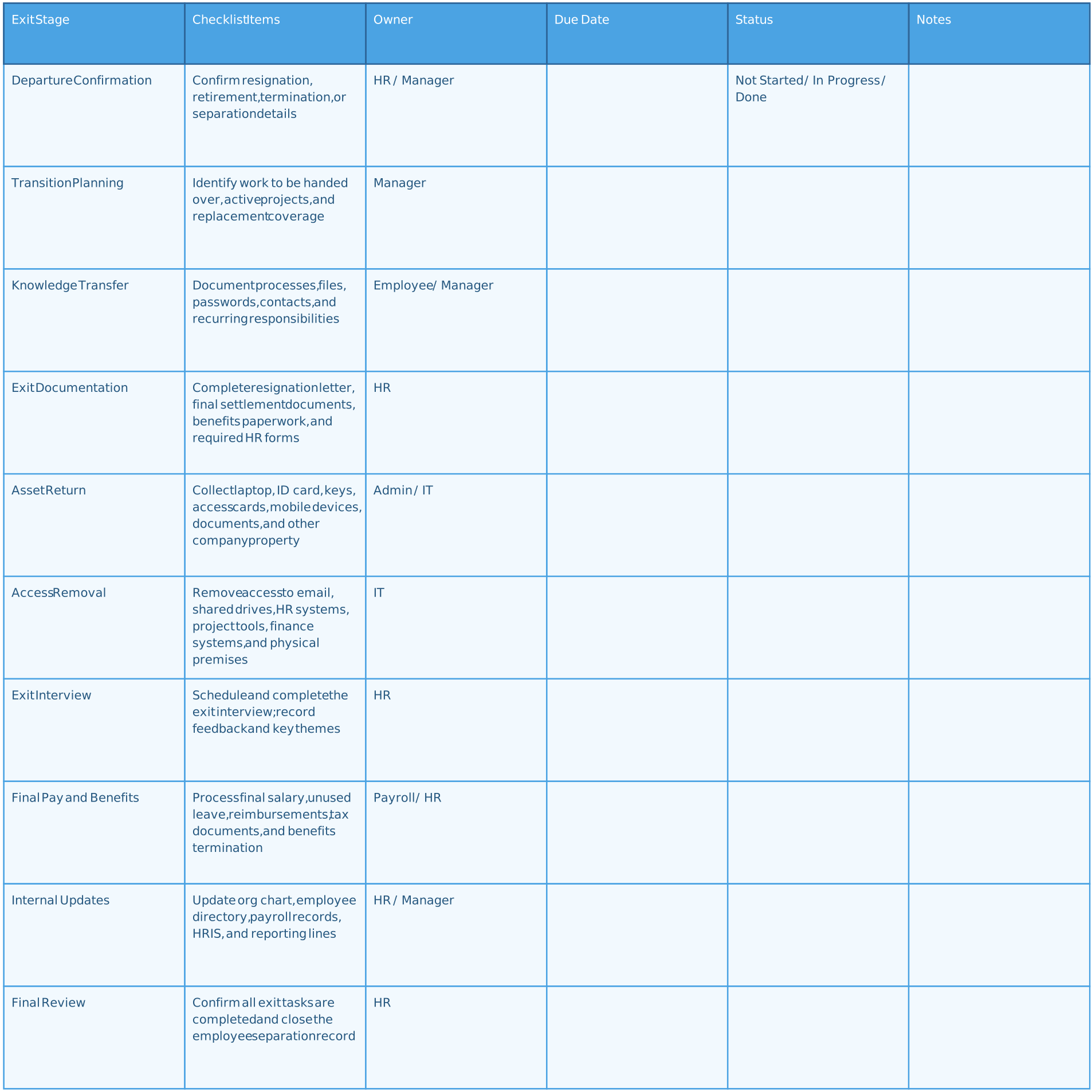
Use this employee exit checklist to make sure every resignation, retirement, termination, or internal separation is handled consistently. HR teams can adapt it into an editable offboarding checklist to track tasks, owners, deadlines, and completion status.
| Stage | Checklist Items |
| Confirm the Exit | Confirm the employee’s last working day, reason for departure, notice period, and reporting manager approval. |
| Communicate the Departure | Notify HR, payroll, IT, the direct manager, and relevant team members. Plan internal or external communication if needed. |
| Prepare Exit Documentation | Collect resignation letters, termination documents, final settlement records, benefits paperwork, NDAs, and compliance forms. |
| Plan Knowledge Transfer | Identify critical responsibilities, active projects, passwords or process notes, client handovers, and replacement training needs. |
| Recover Company Assets | Collect laptops, ID cards, keys, access cards, mobile devices, documents, uniforms, or any assigned equipment. |
| Revoke Access | Disable access to email, software, shared drives, HR systems, project tools, financial systems, and physical premises. |
| Conduct the Exit Interview | Gather feedback on the employee experience, management, workload, culture, and reasons for leaving. |
| Process Final Pay and Benefits | Complete salary payments, unused leave calculations, reimbursements, tax documents, benefits termination, and retirement contributions. |
| Update Internal Records | Update the org chart, employee directory, payroll system, HRIS, reporting lines, and team documentation. |
| Support the Transition | Share reference letters, experience letters, alumni information, or career transition support where applicable. |
Track every HR, IT, payroll, manager, and admin task involved in an employee’s exit with our employee exit checklist template.
Steps in the Employee Exit Process
Step 1: Confirm the Employee’s Departure
The employee exit process starts when an employee submits a resignation, retirement notice, or when the organization confirms a termination or separation. HR should confirm the final working day, notice period, reason for departure, and any immediate next steps with the employee’s manager.
Step 2: Plan the Handover and Transition
Work with the employee’s manager to identify active projects, recurring responsibilities, key contacts, documents, and tasks that need to be transferred. A clear handover plan helps the team continue work smoothly after the employee leaves.
Step 3: Complete Exit Paperwork and Final Payments
HR should prepare the required exit paperwork, update employee records, and coordinate final salary, unused leave, reimbursements, benefits, and any other legal or administrative requirements. This keeps the employee separation process organized and compliant.
Step 4: Recover Company Assets and Remove Access
Coordinate with IT, administration, and facilities teams to collect company property and remove access to systems, tools, files, email, shared drives, and physical premises. This step helps protect company data, equipment, and confidential information.
Step 5: Conduct the Exit Interview
Use the exit interview to understand the employee’s experience, reasons for leaving, and suggestions for improvement. The feedback can help HR identify patterns related to culture, workload, management, career growth, or retention.
Step 6: Update Internal Teams and Systems
After the departure, update HR systems, payroll records, employee directories, org charts, team documentation, and reporting lines. Communicate the transition to relevant internal teams so everyone knows who owns the departing employee’s responsibilities going forward.
Employee Offboarding Best Practices
1. Plan Ahead: Having a well-defined offboarding process in place before an employee’s departure is essential. This allows HR teams to handle the exit smoothly and minimize any potential disruptions.
2. Maintain Open Communication: HR should communicate openly with the departing employee throughout the process, providing them with clear instructions and addressing any concerns they may have. This helps establish a positive relationship and ensures a positive offboarding experience.
3. Conduct Exit Interviews: Exit interviews provide valuable feedback that can help organizations identify areas for improvement. By understanding the reasons behind an employee’s departure, HR teams can work towards creating a better work environment.
4. Provide Support and Resources: Offering support to departing employees, such as career counseling, job placement assistance, or providing reference letters, can leave a positive impression and contribute to a smooth exit.
5. Protect Confidentiality: HR teams must handle the departing employee’s personal and professional information with utmost confidentiality. Respecting their privacy helps maintain trust and professionalism.
Ready-to-Use Templates to Streamline the Employee Exit Process
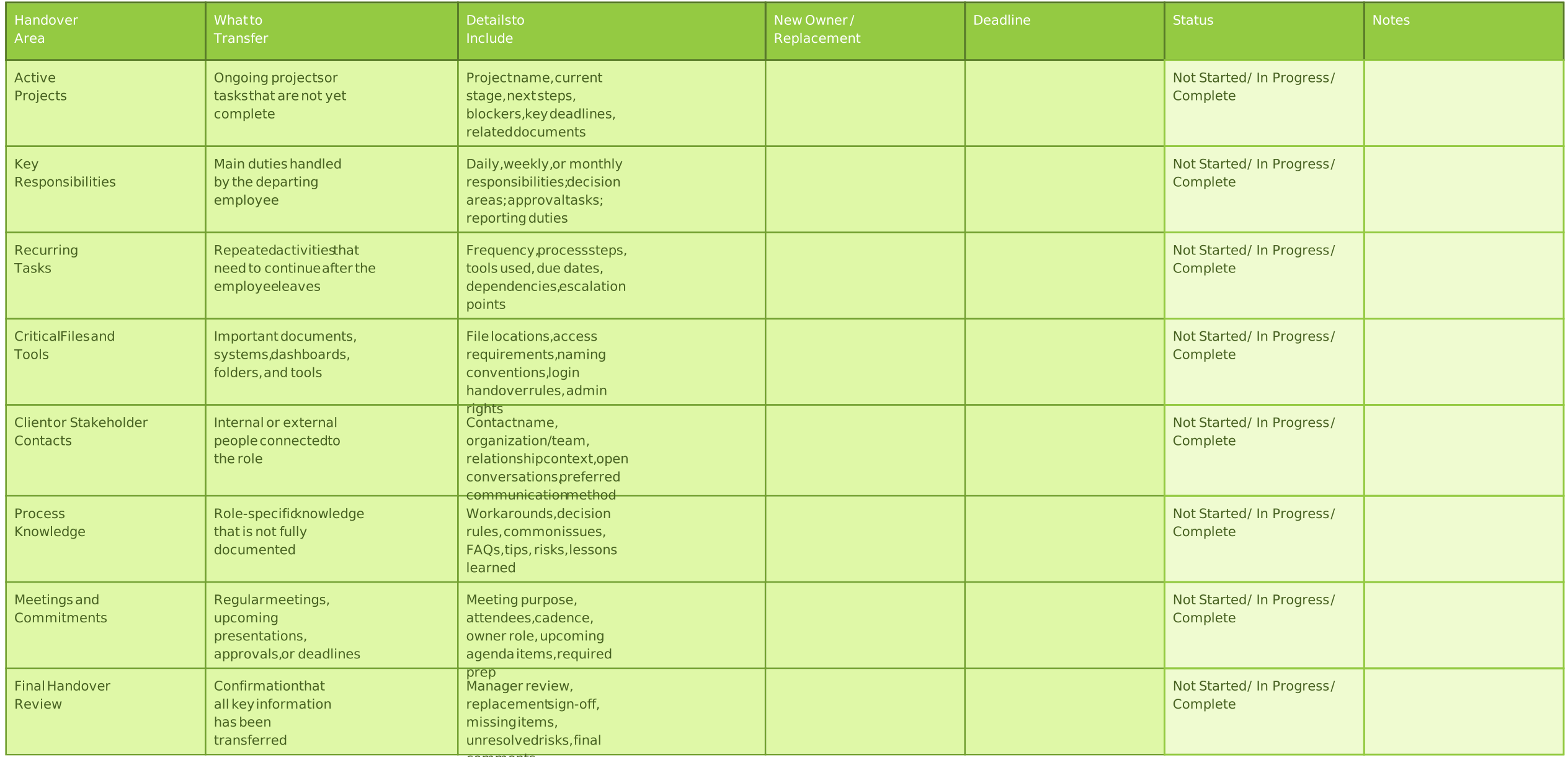
1. Employee Handover Plan Template
Use this employee handover plan template to make sure important work, knowledge, files, contacts, and responsibilities are transferred before an employee leaves. It helps the departing employee, manager, and replacement clearly see what needs to be handed over, who will own it next, and what still needs
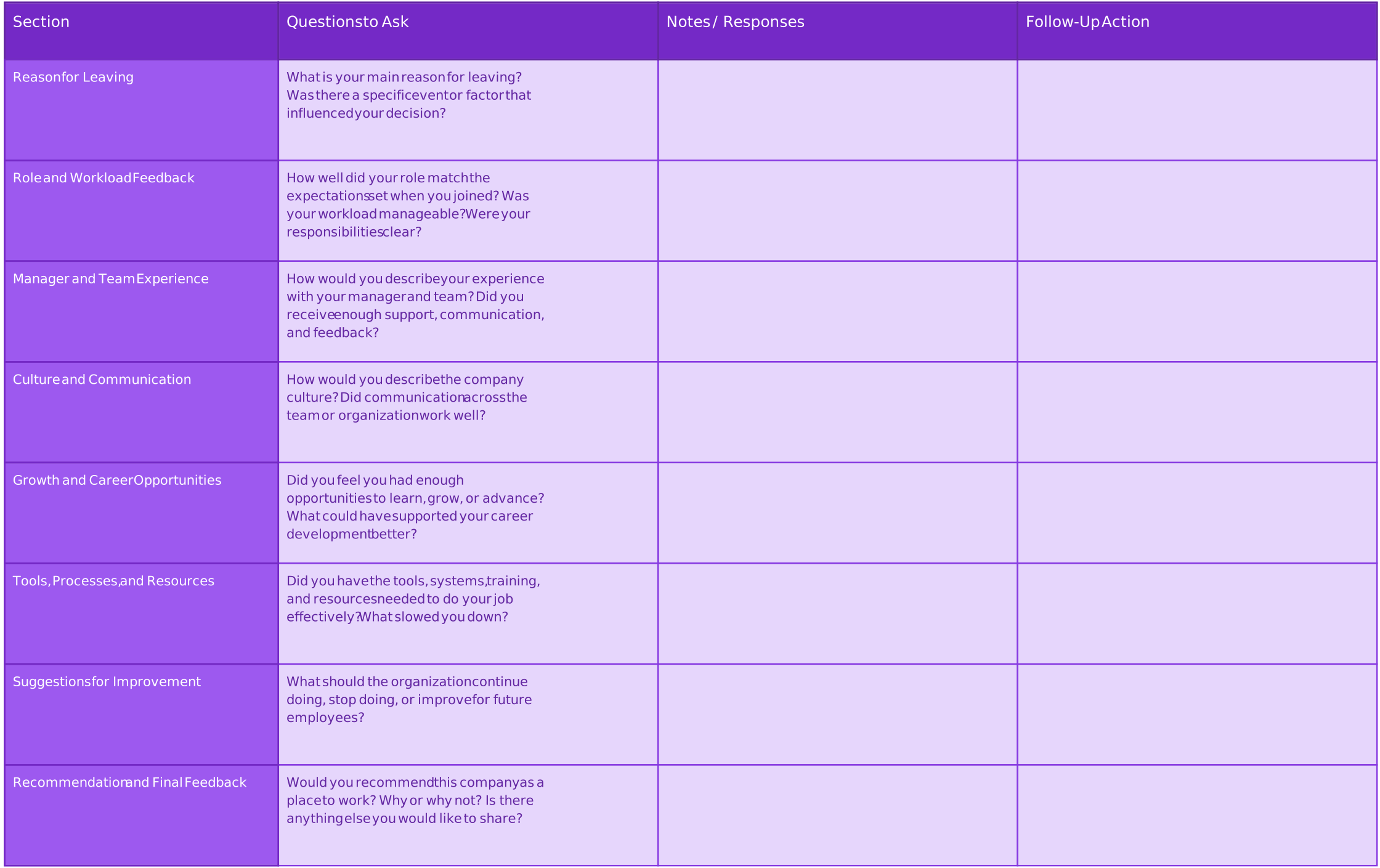
2. Exit Interview Template
Use this exit interview template to collect structured, honest feedback from departing employees. It helps HR teams understand why employees leave, identify patterns in employee experience, and improve retention, culture, management, and internal processes.
3. Employee Asset Return Checklist
Use this employee asset return checklist to track company property assigned to a departing employee. It helps HR, IT, admin, and facilities teams confirm what needs to be returned, who is responsible for collecting it, and whether each item has been checked before the employee’s final day.

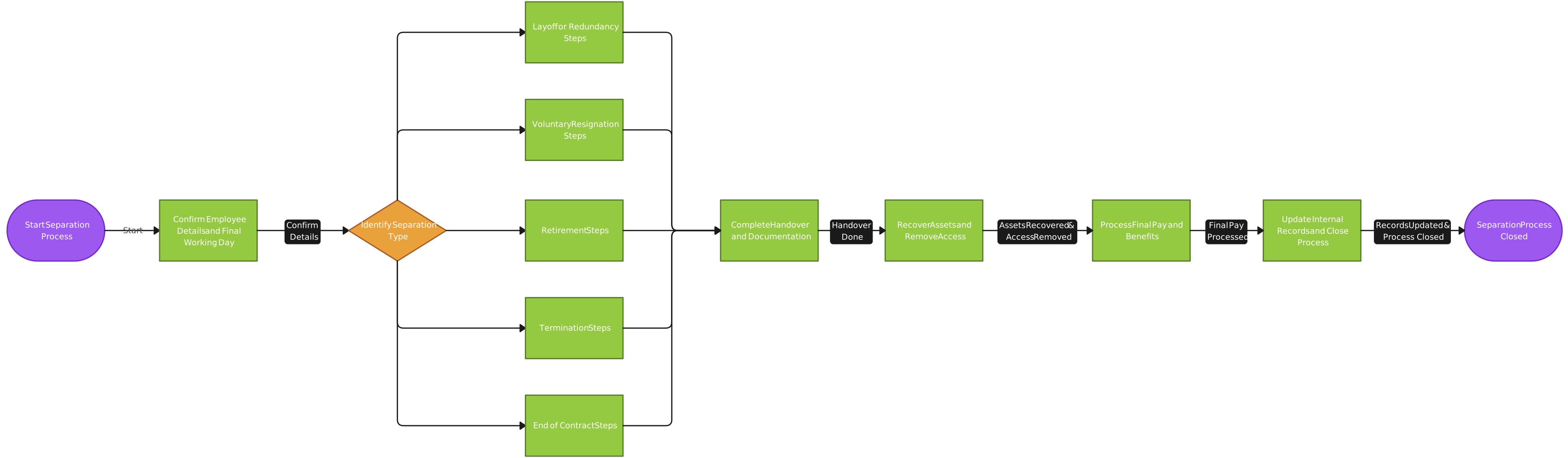
4. Employee Separation Process Template
Use this employee separation process template to manage different types of employee exits in a consistent and organized way. It helps HR teams handle voluntary and involuntary separations, keep documentation aligned, coordinate with managers and internal teams, and make sure each type of exit follows the right process.
How Helpful is the Employee Exit Process to HR Teams?
The employee exit process plays a vital role in supporting HR teams in several ways:
1. Streamlined Operations: By following a structured exit process, HR teams can ensure that all necessary tasks are completed efficiently, reducing the risk of oversights or delays.
2. Talent Retention Insights: Exit interviews provide HR teams with valuable insights into employee satisfaction, reasons for leaving, and areas of improvement. This information can be used to enhance employee retention strategies and improve overall organizational performance.
3. Legal Compliance: By adhering to a well-defined exit process, HR teams can ensure compliance with legal obligations, such as final paycheck disbursement, benefits termination, and any other legal requirements associated with employee departures.
Wrapping Up
The employee exit process is a critical aspect of HR management that should not be overlooked. By following the steps outlined in this blog post and implementing best practices, organizations can ensure a smooth transition for departing employees while safeguarding their operations. Investing in a well-structured and supportive employee exit process ultimately benefits both the departing employee and the organization as a whole.